Winter weather can threaten outdoor and exposed water lines. The right pipe insulation helps reduce heat loss, prevent freezing, and minimize maintenance costs. This article highlights five top-rated options designed for American homes, from flexible foam wraps to self-adhesive tapes and specialty covers. Each product is evaluated on ease of installation, insulation effectiveness, durability, and suitability for common outdoor piping configurations.
Summary At a Glance
| Product | Brand | Type | Key Benefit |
|---|---|---|---|
| Redford Supply Co. Pipe Insulation Tape | Redford Supply Co. | Foam tape wrap | Super adhesion; flexible coverage around bends |
| Duck Brand Foam Pipe Covers | Duck Brand | Pre-slit foam covers | Easy install; self-sealing edges |
| PAMASE Pipe Insulation Tape Wrap | PAMASE | Foam with aluminum foil | Heat retention with fireproof foil layer |
| DGSL Pipe Insulation Wrap | DGSL | Self-adhesive foam tube | Strong adhesive; durable frost protection |
| Saillong Pipe Wrap Insulation | Saillong | Foil-backed wrap | Foil-cotton combination for outdoor pipes |
Redford Supply Co. Pipe Insulation Tape Wrap

The Redford Supply Co. insulation wrap is designed for easy, quick application around outdoor water lines. It emphasizes high tensile strength and long-lasting performance, claiming up to 25 years of weather resistance. With a claim of 25% more thickness than typical foam tape, installers can bend and contour around elbows and fittings without losing grip. This option is positioned as a practical alternative to bulky foam tubes for homeowners seeking fast protection against winter freezes. It is particularly suitable for copper, PVC, and AC line runs that require flexible coverage in tight spaces.
Installation notes: The wrap format reduces the need to cut and fit long tubes, making it accessible for DIY projects. The strong adhesion helps keep the wrap in place through varying temperatures and windy conditions. The emphasis on durability makes it appealing for regions with harsh winters, where long-term protection matters as much as immediate sealing. Consider pairing with a weatherproof sealant or tape for seams to maximize performance on exposed spigots and outdoor faucets.
In terms of limitations, some users may prefer a pre-slit, edge-sealed product for beginner-friendly installation. If your piping includes many bends or irregular shapes, you might still need supplemental measures to ensure consistent insulation across joints. Overall, this wrap offers a robust balance of ease, flexibility, and long-term protection.
Duck Brand Foam Pipe Covers

Duck Brand offers pre-slit foam pipe covers that are ready to install around curved pipes and elbows. Their self-sealing edges simplify securing the wrap, which helps prevent heat loss and condensation on indoor or outdoor water lines. The product is qualified for both hot and cold water pipes and is rated for temperatures up to 212 F, making it suitable for typical household applications around outdoor spigots and HVAC lines. The pre-slit design is particularly friendly for DIYers who want a quick, mess-free installation process.
Key strengths include straightforward application, versatile fit for many pipe diameters, and reliable performance in cold climates. A potential limitation is that foam covers may require periodic inspection for wear at seams or edges, especially in areas with high sun exposure or heavy snow. For best results, ensure the covers are fully pressed into place and consider additional sealing at the ends for extra frost protection.
PAMASE 32.8ft Pipe Insulation Tape Wrap

The PAMASE pipe insulation tape wrap combines foam with an aluminum foil layer to create a moisture-resistant, fire-resistant barrier. The 32.8-foot length provides ample material for long runs or multiple smaller pipes in one project. The aluminum foil layer helps reflect heat and reduces heat loss, while the foam core offers weather resistance and a degree of cushioning for rough outdoor conditions. Its construction aims to minimize energy loss on hot water lines and to protect cold lines from freezing during winter months.
Pros include a robust outer foil layer that stays attached and maintains insulation under sun exposure. The tape form factor is useful for wrapping irregular segments where a rigid tube would be cumbersome. The material choice reduces chafing and helps maintain a watertight seal at critical joints. Users should verify compatibility with their pipe diameter and ensure clean, dry surfaces before applying for maximum adhesion.
DGSL Pipe Insulation Wrap
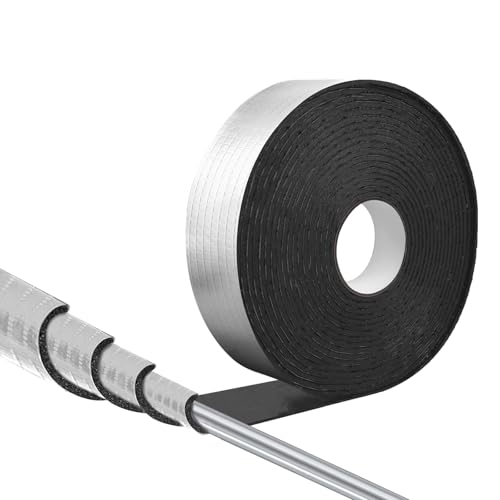
DGSL’s insulation wrap is designed as a self-adhesive foam tube, sized at 2 inches wide and 33 feet long. The material blend includes rubber and plastic wool, intended to withstand high temperatures in summer and retain heat during winter to protect outdoor pipes from freezing. The self-adhesive backing simplifies installation, eliminating the need for tape or fasteners. The wrap claims water-tight and fireproof properties, contributing to frost protection and overall pipe longevity in challenging climates.
Strengths include a strong adhesive that remains fixed over time and a comprehensive wrap that can cover longer pipe sections without gaps. It is well-suited for outdoor spigots, irrigation lines, and AC lines that require consistent insulation. For best results, ensure surfaces are dry before application and press firmly along seams to maximize the bond. This product is a practical option for homeowners seeking durable, long-lasting protection with an emphasis on reliability.
Saillong Pipe Wrap Insulation

The Saillong pipe wrap insulation features a foil-backed wrap with natural cotton insulation. This combination aims to provide strong thermal resistance for outdoor water pipes while keeping the wrap flexible enough to conform to irregular pipe shapes. The foil backing is intended to reflect heat and resist moisture, while the cotton core adds padding to reduce vibration and abrasion. This product is designed for both hot and cold water pipes, supporting energy efficiency by preventing heat loss and condensation-related issues in colder months.
Considerations include ensuring an adequate wrap length for your specific pipe run and confirming the wrap’s compatibility with outdoor exposure, including sunlight and temperature swings. The foil-backed design helps with durability, but users should inspect seams and ends periodically in areas with heavy wind or snow load. For households prioritizing a foil-backed solution with cotton insulation, Saillong provides a balance of protection and flexibility.
Buying Guide: Key Purchase Considerations and Comparisons
When selecting pipe insulation to prevent freezing, consider the following factors to match your climate and piping layout:
- Insulation Type: Foam vs. foam tape vs. insulated covers. Rigid sleeves provide durable, broad coverage; self-adhesive tapes offer quick fixes for irregular pipes; outdoor faucet covers protect spigots and backflow devices.
- Temperature Range: Verify maximum operating temperatures and sun exposure tolerance. Some products are rated only for indoor use, while others are designed for extreme outdoor conditions.
- Installation Ease: Pre-slit designs, strong adhesives, and flexible wraps simplify DIY installation, but very long runs may benefit from longer, continuous wraps or multiple pieces for seams.
- Durability: Materials with weather resistance, waterproof coatings, and UV stability tend to last longer in harsh winter climates.
- Coverage Area: Measure pipe diameter and length; ensure the selected product covers joints, bends, and valves. Some items work best when paired with additional end caps or sealing tape.
- Maintenance: Look for products that are easy to inspect and replace, and that resist tearing, cracking, or peeling in freezing temperatures.
For most American households facing freezing temperatures, a combination approach works well: wrap exposed lines with a flexible, self-adhesive foam product for direct, long runs, and add specialized covers for spigots and backflow devices. Consider foil-backed options for higher sun exposure or areas with extreme temperature swings, since these can provide better heat reflection and moisture resistance. Evaluating climate, pipe material (copper, PVC, or metal), and the specific installation environment will guide the best choice among these five effective solutions.