Choosing the right chimney pipe for a wood stove is essential for safety, efficiency, and ease of installation. The following selections prioritize double- or triple-wall construction, heat resistance, and compatibility with common stove setups. This guide highlights five solid options that balance performance and value for American homes.
| Product | Diameter | Wall Type | Length / Capacity | Key Benefit |
|---|---|---|---|---|
| DuraVent DVL Double-Wall Chimney Stove Pipe, 6″ x 48″ | 6″ | Double-wall | 48″ | Strong draft, secure, versatile for multiple fuels |
| DuraVent DVL 6DVL-24 Easy to Install 6″ | 6″ | Double-wall | 24″ | Snap-in fit and quick install |
| DuraVent 6DP 24 DuraPlus Triple Wall Chimney Pipe | 6″ | Triple-wall | 24″ | High heat tolerance, robust safety margin |
| AllFuel HST 6″ x 48″ 304 Stainless Steel | 6″ | Double-wall (stainless) | 48″ | Superior corrosion resistance, 2″ clearance to combustibles |
| Selkirk Metalbestos 6-Inch X 36-Inch Black Matte | 6″ | Double-wall | 36″ | Durable, easy to use |
Note: This summary focuses on common 6-inch diameter options suitable for many wood stoves. Always verify compatibility with your specific stove model and local building codes before installation.
DuraVent DVL Double-Wall Stove Pipe, 6×48
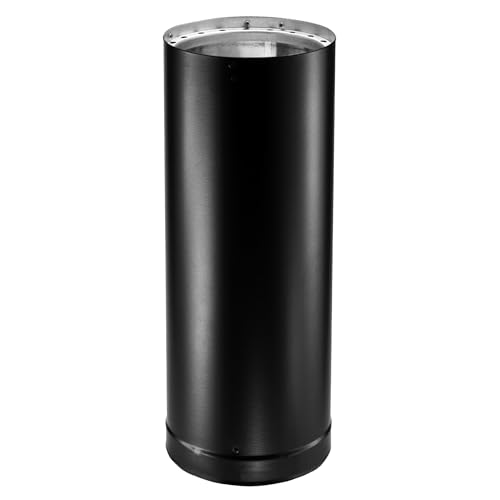
The DVL line uses double-wall construction to promote a steady, high-temperature draft while maintaining safety around combustibles. It is designed to handle wood, oil, coal, or gas stoves, making it a versatile choice for hybrid setups. The double-wall design helps minimize heat loss and supports efficient exhausting of flue gases, contributing to a cleaner, safer installation.
Key features include a robust venting profile that sustains consistent flue temperatures and enhanced draft, along with a quick-connect style that facilitates straightforward assembly for both new installations and retrofits.
DuraVent DVL 6DVL-24 Easy to Install 6″ Pipe

This model emphasizes ease of installation with a compact 24-inch length option, designed to fit tight spaces where wood-burning stoves are positioned close to walls or ceilings. The double-wall construction minimizes heat transfer to surrounding materials and helps maintain a stable draft for efficient combustion. It supports venting smoke and exhaust from a variety of fuels, including wood and other common stove fuels.
Designed for durability and quick connection, it’s a practical choice for homeowners upgrading an existing stove or installing a new system with standard 6-inch stove piping.
DuraVent 6DP 24 DuraPlus Triple Wall Pipe

The DuraPlus triple-wall design is engineered for higher heat tolerance and safety. Its galvanized steel construction can withstand continuous operation at elevated flue gas temperatures, making it suitable for wood stoves, fireplaces, furnaces, boilers, and other heat-generating appliances. This model includes a twist-lock connector and die-formed fittings to simplify installation and ensure a tight, reliable fit.
Triple-wall insulation provides a greater clearance to combustibles, helping to maintain safe installations in tighter spaces and more demanding heating scenarios. It’s a strong option for longer runs where consistent draft is essential.
Selkirk Metalbestos 6-Inch X 36-Inch Double Wall

Selkirk’s double-wall smoke pipe is designed for durability and ease of use. While manufactured in China, the product is marketed as highly durable with straightforward handling, making it a practical option for homeowners upgrading a wood stove ducting system. The double-wall construction helps retain heat within the venting system, supporting steady draft and effective exhaust of combustion byproducts.
Its 36-inch length provides a balanced option for standard stove installations and allows for clean, simple routing from stove to chimney without excessive trimming.
AllFuel HST 6″ x 48″ Stainless Steel Pipe

AllFuel HST stainless steel double-wall pipe is designed for corrosion resistance and long-term durability. The 304 stainless inner and outer walls, with laser-welded seams, offer strong resistance to corrosion compared to galvanized steel. The pipe is insulated with a ceramic fiber blanket to provide a 2-inch clearance to combustibles while maintaining high internal flue temperatures for an effective draft. This makes it a reliable choice for homes with aggressive heating needs and demanding climate conditions.
Note that this product is designed for AllFuel HST Class-A systems and should be matched to compatible components to ensure proper operation and Code compliance.
Buying Guide
- Wall construction: Double-wall pipes offer better heat retention and safer exterior temperatures, while triple-wall pipes provide even higher heat resistance for longer, hotter runs.
- Diameter and compatibility: 6-inch systems are common for many wood stoves, but confirm your stove’s outlet and chimney size. Some brands require specific adapters or class-A configurations.
- Material durability: Stainless steel resists corrosion in damp or variable climates; galvanized steel is common and budget-friendly but may wear faster in harsh conditions.
- Installation ease: Look for snap-in or twist-lock connections, pre-cut lengths, and fittings that reduce the need for cutting or crimping. Prioritize models with clear installation instructions.
- Temperature tolerance: For high-output stoves or long vent runs, select pipe rated for higher than standard flue temperatures to ensure safety and draft stability.
- Clearance to combustibles: Insulated or triple-wall designs typically provide greater clearance options, reducing fire risk and enabling more flexible placement near walls or ceilings.
- Certifications and codes: Verify that the chosen pipe complies with local building codes and stove manufacturer recommendations, and ensure proper venting clearances for venting through ceilings or walls.
- Maintenance considerations: Stainless steel options may require less frequent cleaning and offer more durability against creosote buildup, while regular inspection remains essential regardless of material.
- Cost vs. lifespan: While stainless and triple-wall pipes may have higher upfront costs, they can offer longer service life and reduced maintenance, which is valuable for longstanding stove setups.
- Brand support and compatibility: When mixing brands, confirm compatibility with your stove and chimney components to avoid gaps in safety and performance.