Wood stove blowers help raise heat output and distribute warmth more evenly through a room. This guide highlights five well-reviewed models, detailing compatibility, power, and installation considerations to help you choose the right blower for your stove. Each product section includes a brief overview, key features, and practical usage notes, so you can compare at a glance and pick a model that fits your stove and heating needs.
| Product | Brand | Approx. Compatibility | Key Feature |
|---|---|---|---|
| Adviace Replacement Wood Stove Blower | Adviace | MHSC Windsor, GHP Group, MD/US Century plates | Complete kit with rheostat control |
| JossaColar Wood Stove Fan | JossaColar | Most wood stoves requiring heat-powered fans | Non-electric, heat-activated |
| Adviace Quiet Wood Stove Blower | Adviace | England’s Stove line models (AC-16 compatibility) | Ultra quiet operation |
| DAYTON 1TDP7 PSC Blower | Dayton | Outdoor wood furnace, various models | High airflow, 115V PSC design |
| Pleasant Hearth Stove Blower | Pleasant Hearth | GHP sub-brand line | Complete with power cord and hardware |
Adviace Replacement Wood Stove Blower

The Adviace blower kit is designed for broad compatibility with several MHSC, GHP Group, and Century plate-style stove models. The kit includes a wood stove blower fan, a 6-foot three-prong power cord, four mounting screws, a heat gasket, and a rheostat variable speed control. This universal fit targets popular Windsor, CJW, HWS, and VFS models among others. It operates on 110–120V and provides a rated 2800 RPM, which helps push warm air efficiently into the living space. The physical dimensions indicate a compact blower length of about 9 inches with a 5.25-inch height, making it suitable for a range of stove housings.
Key considerations: verify model compatibility against your stove’s exact serial or plate model; proper gasket and mounting alignment are essential to prevent air leaks; the rheostat control allows zone-based heat modulation, which can improve comfort and efficiency. The included hardware and gasket simplify installation, but users should follow manufacturer safety guidelines to avoid electrical or heat-related hazards.
JossaColar Wood Stove Fan

The JossaColar stove fan is a heat-powered, non-electric option designed for wood-burning stoves and log burners. It operates without batteries by converting stove heat into micro-vibrations that drive the fan blades. The package includes a magnetic thermometer for monitoring ambient temperature around the stove. An upgraded aluminum blade improves durability and heat distribution, helping to spread warmth more evenly across the room. Its compact dimensions—roughly 6.5 inches by 7.7 inches—make it suitable for many standard stove surfaces.
Considerations: heat-powered devices rely on stable stove surface temperatures to begin spinning; for very large rooms, one fan might not suffice, though its silent operation is ideal for bedrooms or living rooms where noise is a concern. The included thermometer is helpful for optimizing operating temperature and safety.
Adviace Quiet Wood Stove Blower for England’s Stove

This Adviace model targets England’s Stove Work’s freestanding units (not inserts) and is marketed as ultra-quiet with a standard 115V operation. The blower kit includes a complete assembly with a blower motor, a long three-prong power cord, and a one-year warranty. The specified RPM is 3000, with 0.8 amps consumption, ensuring robust airflow while minimizing noise. It is designed to fit freestanding Englander stoves and similar models, providing a smooth, low-vibration experience that reduces audible disruption while circulating heated air.
Tips: confirm compatibility with your exact England’s Stove model (freestanding only) before purchasing. The long cord length offers flexible placement options for optimal airflow without cluttering the stove area.
DAYTON 1TDP7 PSC Blower
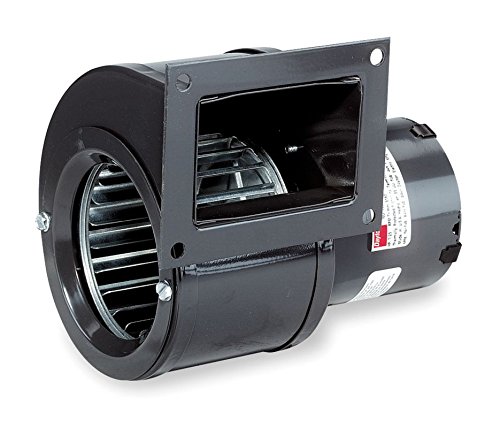
The DAYTON 1TDP7 PSC Blower delivers strong airflow suitable for outdoor wood furnaces and related applications. This 115-volt, PSC-based blower is recognized by UL in the USA and Canada and is designed for durable, continuous operation. The unit provides a high CFM output suitable for circulating warm air efficiently across larger spaces or outdoor installations where heat distribution is critical. It is designed for rugged environments and is paired with listing and safety certifications to ensure reliable performance in heating systems.
Operational notes: check compatibility with the furnace or stove enclosure and ensure weatherproofing where needed. PSC blowers tend to be energy-efficient and relatively quiet for their output, making them a practical choice for continuous use.
Pleasant Hearth Stove Blower

The Pleasant Hearth blower is marketed under the GHP Pleasant Hearth sub-brand and includes a complete package with a power cord (6-foot) and installation hardware. It is designed for compatibility with a range of GHP-styled stoves and focuses on straightforward installation and reliable airflow. The product emphasizes a robust yet quiet performance suitable for indoor use, with a boxed single-piece blower head for simple mounting.
Purchase considerations: verify the blower’s exact fit against your stove’s model and plate information. The included hardware and cord length simplify setup, but double-check clearances to avoid interference with existing components or reflective heat.
Buying Guide: Key Purchase Considerations and Comparisons
Airflow needs: Larger rooms or dense layouts benefit from higher CFM blowers or multiple units. For smaller spaces, a compact, heat-powered unit or a low-noise electric blower can be sufficient.
Power source: Decide between electric blowers (requiring a nearby outlet) and heat-powered models (no wiring required but rely on stove surface temperature). For safety, ensure cords and sockets meet recommended voltage and rating for your region.
Compatibility: Review stove brand, model, and installation type (freestanding vs. insert). Many blowers list broad compatibility, but verify exact fit with your stove plate or model number to avoid compatibility gaps.
Noise and vibration: Ultra-quiet options exist among both electric and heat-powered blowers. If noise is a concern, consider models marketed as quiet or with vibration-dampening features.
Installation: Some kits include essential hardware, gaskets, and rheostat controls, while others require separate components. Check if your kit includes mounting screws, gaskets, and wiring, and plan for professional installation if needed.
Maintenance: Choose blowers with easy-access components and reliable warranty coverage. Regular inspection of cords, mounts, and fans helps maintain efficiency and safety over time.
Energy efficiency: Electric blowers with variable speed controls can adjust airflow to match heating needs, potentially saving energy and reducing wear on the stove’s primary heating system.
Price vs. value: Compare initial cost with expected lifespan, warranty terms, and replacement part availability. A higher upfront cost may yield longer reliability and lower maintenance expenses.