Wood pellets for stoves offer consistent heat, easier handling, and cleaner burning compared to loose wood. This guide highlights five top options from trusted brands, focusing on burn quality, ash production, and sustainability. Each product below includes a quick snapshot to help you compare at a glance, followed by in-depth details and a practical buying guide to match your stove and heating needs.
| Product | Brand | Key Benefit |
|---|---|---|
| Hardwood Oak Heating Pellets | Al-Natural Energy | 100% kiln-dried oak fiber; all-natural; USA-made |
| 40 lb. Heating Pellets | U.S. Stove Company | Consistent heat; low ash content; reliable performance |
| LIGNETICS of W Virginia FG10PL-WV 40LB | LIGNETICS OF W VIRGINIA | Premium wood pellet fuel; smokeless handling; USA-made |
| Camp Chef Competition Blend | Camp Chef | Virgin hardwoods; blends of maple, hickory, cherry; versatile flavors |
| Camp Chef Oak Flavor 100% | Camp Chef | 100% oak hardwood; clean burn; great flavor spectrum |
Choosing the right pellets depends on your stove’s design, desired heat, and cleaning tolerance. The selections below cover options ranging from high-purity hardwood to balanced blends, offering different flavor profiles for cooking and clean, efficient heating.
Hardwood Oak Heating Pellets

Brand: Al-Natural Energy
Features: Made in the USA from 100% kiln-dried oak fiber; All-natural with no binders, additives, or chemicals; Palletized, hooded, slip-sheeted, and shrink-wrapped for safe transport and storage. These pellets are designed for high heat output with lower warp risk in stoves that prefer dense hardwood fuel, helping maintain steady combustion and minimal ash when used as directed.
40 lb. Heating Pellets

Brand: U.S. Stove Company
Features: Reliable heat source for keeping spaces warm; consistent performance due to high-quality hardwood; low ash content reduces cleaning frequency and makes maintenance hassle-free. This option emphasizes dependable burn and predictable temperature control, suitable for a broad range of stove models and installation setups.
Camp Chef Competition Blend
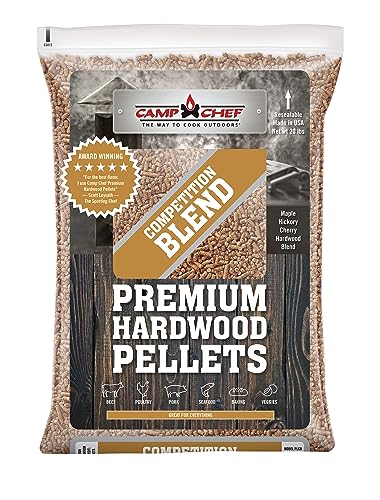
Brand: Camp Chef
Features: Maple, Hickory, and Cherry Blend offering versatility across poultry, pork, baking, vegetables, beef, and seafood. Made from 100% virgin hardwoods with no oils, chemicals, or binders, ensuring a pure burn. Kiln-dried for low moisture, delivering efficient combustion and reduced ash production, helping extend pellet usage per bag.
Camp Chef Oak Flavor 100% All-Natural

Brand: Camp Chef
Features: Oak flavor pairs well across pork, poultry, seafood, veggies, beef, and baking applications. 100% hard woods with no oils, chemicals, or binders added. This results in a clean burn with robust hardwood flavor characteristics, suitable for both smoking and cooking inside pellet grills or stoves that support pellet fuel use.
TIKI Wood Pellet Pack – 4-Pack

Brand: TIKI
Features: Instant fire starter with smokeless, low-odor fires lasting 30+ minutes; made from upcycled sawdust to produce consistent, low-smoke fires with minimal ash. The 4-pack format offers ready-to-use portions and predictable burn characteristics, ideal for smokeless fire pits and backyard heating where allowed.
Pit Boss Apple Blend Pellets

Brand: PIT BOSS
Features: No artificial flavors, spray scents, glues or chemicals. Designed to burn hotter and cleaner, with easy-to-use pellets that preserve natural flavors and juices within the wood. The formula aims for robust heat with a focus on high-quality, all-natural materials to support both heating appliances and smoker applications.
Oklahoma Joe’s Competition Blend

Brand: Oklahoma Joe’s
Features: Customization options allow blend experimentation with hickory, cherry, and maple for a bold, multi-layered smoke flavor. Designed for quick, manageable cooking and smoking sessions, supporting flexible use for both grills and stoves that accept pellet fuel.
LIGNETICS Of W Virginia FG10PL-WV

Brand: LIGNETICS OF W VIRGINIA
Features: 40-pound premium wood pellet fuel for wood stoves; smokeless, pollution-free handling with minimal chimney problems. Manufactured in the United States, delivering clean, consistent combustion and added shine to your heating setup. The blend supports reliable warmth with a focus on domestic production standards.
Buying Guide: Key Purchase Considerations
- Heat output and burn quality: Look for pellets described as high-density hardwood with low moisture content. Kiln-dried pellets tend to burn hotter and cleaner, delivering steadier heat with less ash.
- Ash production and cleanup: Pellets with low ash content reduce cleaning frequency. If you prefer fewer cleanings, prioritize products labeled as low-ash or low-dust blends.
- Wood type and flavor: Hardwood blends (oak, hickory, maple, cherry) offer distinct heat and aroma profiles. For purely heating-focused use, a uniform hardwood like oak is typically reliable; for cooking, blends provide more flavor variety.
- Purity and additives: Choose pellets without binders, oils, or artificial additives for a cleaner burn and better compatibility with sensitive stoves and bake/cryo cooking tasks.
- Storage and packaging: Consider pallets, bags, and packaging that protect pellets from moisture. Heat-resistant storage containers help maintain pellet quality over seasons.
- Availability and price stability: Compare brands with consistent supply chains. While price varies, select pellets from reputable manufacturers to minimize warranty or performance issues.
- Intended use: If primarily heating, prioritize dense hardwood pellets with steady output. For mixed usage (heating plus cooking), blends offering flavor versatility may be advantageous.
- Brand and regional availability: Regional brands often reflect local hardwood sources and production standards, with potential benefits in customer support and compliance.
Pellet use in stoves requires adherence to stove manufacturer guidelines. Always confirm that the chosen pellets are compatible with your unit, including clearance, hopper size, and cleaning schedule. Regular maintenance, proper storage, and correct loading practices help maximize efficiency and minimize emissions.