Oak furniture benefits from a wax finish that adds depth, protection, and a natural luster without hiding the wood’s grain. The right beeswax and carnauba wax blends can feed dry wood, seal against moisture, and bring out warmth in oak tones. This guide compares top wax products that work well on oak, from traditional furniture waxes to all-natural options, so you can choose a finish that suits your piece and care routine.
Summary of chosen products:
| Product | Brand | Key Benefit |
|---|---|---|
| Beeswax Wood Polish & Conditioner, Feed-N-Wax | HOWARD | Enhances grain, feeds wood with conditioning oils |
| Premium Natural Oak Beeswax Polish | Furniture Clinic | Natural beeswax formula for oak and other woods |
| Briwax Original Furniture Wax 16 Oz | Briwax | Professional-grade finish and reconditioner |
| All Natural Beeswax Polish – Unscented | Daddy Van’s | Food-safe, non-toxic conditioning and protection |
| Premium Food-Safe Beeswax Wood Polish | Rhoose Point Remedies | All-natural, hand-poured, eco-friendly |
Howard Beeswax Wood Polish & Conditioner, Feed-N-Wax
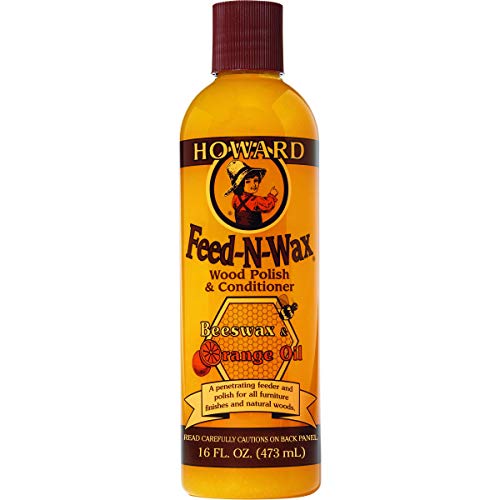
Howard Feed-N-Wax blends beeswax and carnauba wax with orange oil to brighten oak’s natural grain while providing a protective film. It conditions wood, helping prevent drying and fading. The formula is designed to nourish both finished and unfinished wood, delivering a soft luster without a heavy buildup. For oak, this polish can enhance warm undertones while maintaining the piece’s authentic character.
Furniture Clinic Premium Dark Oak Beeswax Polish

This beeswax polish is designed for natural woods, including oak, beech, mahogany, pine, teak, and walnut. The natural formula uses a beeswax blend trusted by technicians and restorers. Application involves cleaning, applying with the grain, and buffing after 3–4 minutes. Additional coats provide extra protection or are suitable for bare wood, making it a versatile option for oak furniture in mid- to high-traffic settings.
Briwax Original Furniture Wax 16 Oz

Briwax Original is a long-standing choice among restorers for finishing and reconditioning wooden surfaces. The Golden Oak variant offers a warm, amber tone that complements oak’s natural color. This wax can be used as a finish, a maintainer, or an antiquing agent, making it a flexible addition to an oak care routine. It delivers a durable, protective layer while enhancing satin to low-gloss luster.
Daddy Van’s All Natural Beeswax Furniture Polish
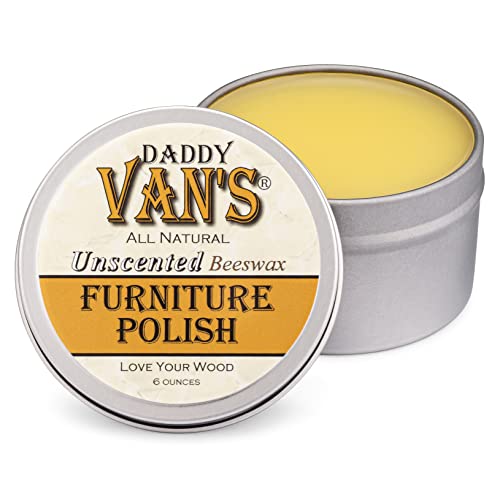
Daddy Van’s offers an unscented, all-natural beeswax polish that is ideal for kitchens and dining spaces. Food-safe and non-toxic, it conditions and protects wood surfaces such as furniture, cabinets, and antiques. The formula helps restore moisture and sheen, addressing dryness and minor scratches while avoiding harsh additives, making it suitable for oak pieces that see daily use.
Premium Food-Safe Beeswax Wood Polish

Rhoose Point Remedies emphasizes a hand-poured, British beeswax blend that is 100% natural and food-safe. This polish is designed to clean, restore, condition, and polish wood surfaces while maintaining safety for kitchen items such as cutting boards and wooden bowls. Its eco-friendly approach suits oak furniture that doubles as functional kitchen pieces or display items in dining rooms.
Buying Guide: Key Considerations For Oak Furniture Wax
When choosing a wax for oak, consider these factors to balance beauty, protection, and practicality:
- Wood type and condition: Oak benefits from waxes that support wood movement, protect against minor moisture exposure, and highlight grain without leaving a heavy film.
- Wax composition: Beeswax with carnauba provides a durable finish and a warm patina. Pure carnauba can yield a harder surface; plant-based blends tend to be more user-friendly for DIY projects.
- Finish desired: For a natural satin look, use a lighter application and fewer coats. For deeper luster, apply additional coats and buff thoroughly.
- Maintenance vs. restoration: Some products are designed to restore dried wood, while others are better for routine upkeep. Consider frequency of use and piece function (display vs. high-traffic).
- Safety and environment: If the piece is in a kitchen or dining area, opt for food-safe, non-toxic formulas. Natural and unscented options reduce irritants if the surface is frequently touched.
- Application method: Many waxes require cleaning before application, then rubbing with grain direction, followed by buffing. Some products supply cloths or tools for easier use.
- Color impact: For oak with warm tones, a tinted or amber-brightening wax can enhance color. Clear wax preserves the natural pale oak while boosting clarity of grain.
- Durability vs. ease of reapplication: A tougher, longer-lasting coat may necessitate more effort during reapplication but reduces maintenance.
In practice, testers often start with a light coat of a natural oak-friendly beeswax polish, then buff to a soft sheen. For very dry or bare oak, a conditioning step may be helpful before applying protective wax. When using wax on oak tabletops or high-contact surfaces, consider a food-safe option or a dedicated dining-area product to minimize hazards and odors.