Selecting the right waterproofing material for a roof project involves balancing durability, adaptability to climate, and ease of application. This guide highlights five prominent products that American homeowners and professionals often consider for roof sealant, underlayment, and patching needs. Each option below covers typical use cases—from torch-on membranes to self-adhesive tapes—so you can compare performance traits and installation requirements side by side.
Summary of chosen products
| Product | Brand | Category | Key Benefit |
|---|---|---|---|
| BXI SBS Modified Bitumen Waterproofing Membrane Roll | BXI | Torch-on membrane | Self-healing sealing and all-weather flexibility |
| Tondiamo 4 Inch X 98 Foot Waterproofing Tape | Tondiamo | Reinforcing fabric tape | Anti-fracture design for broad surfaces |
| foriy Waterproofing Membrane 39.6in X 196.9in | foriy | Self-adhesive membrane | Strong self-adhesion with reflective aluminum |
| T-Rex Flexible Waterproof Tape | T-REX | Repair tape | Flex-to-Fit for tight seals and UV resistance |
| Sasylvia 6 Inch X 33 Feet Self Stick Roll | Sasylvia | Roofing underlayment | Butyl rubber with excellent adhesion and flexibility |
BXI SBS Modified Bitumen Waterproofing Membrane Roll

The BXI membrane uses SBS polymer-modified bitumen with a textured surface designed for torch-on application. With a 13-inch width and 8.2-foot length per roll, it covers roughly 8.86 square feet per piece, making it suitable for sealing cracks and detailing around roof penetrations. The product emphasizes dual waterproofing—creating a dense surface that forms a water-tight barrier and fuses deeply into substrate cracks when heated. Its self-healing capability helps maintain long-term waterproof protection even after minor damage. The membrane remains flexible in extreme temperatures, resisting cracking from heat or cold and offering robust tear, chemical, and UV resistance for outdoor use.
This option is best for installers seeking a torch-applied solution that provides durable adhesion and long-term sealing, especially in climates with temperature fluctuations. The roll format keeps on-site handling straightforward, though it requires appropriate torching equipment and safety precautions. Overall, the BXI membrane aligns with professional roof waterproofing workflows that prioritize strong sealing, flexibility, and resilience against environmental stressors.
Tondiamo Waterproofing Tape
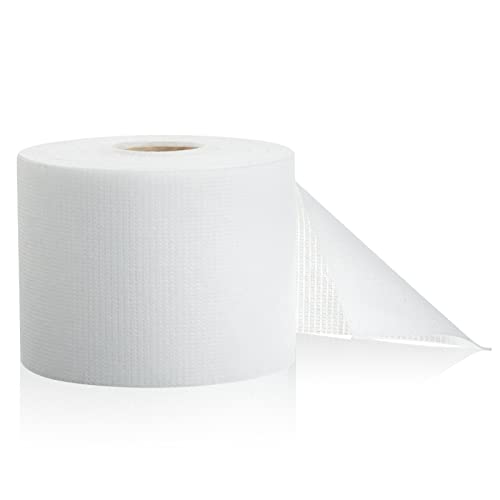
Tondiamo’s product is a 4-inch by 98-foot textile fiberglass reinforcing membrane designed to reinforce waterproofing layers and prevent fractures, especially where surfaces bend or flex. The tape’s anti-fracture design helps maintain integrity on curved or irregular surfaces, making it suitable for patches around vents, corners, and edge details. The included application steps emphasize cleaning the area, applying a waterproofing layer, laying the membrane fabric, applying another coat of waterproofing agent, and allowing a drying window—typically about 24 hours to pass a closed-water test. This product is a practical choice for long-term reinforcement and repair on roofs with complex geometry.
Ideal for DIYers and pros who need a reinforcing layer to improve crack- resistance and durability across sections that experience movement or thermal expansion. The fabric-reinforced membrane offers dependable adhesion and tear resistance, supporting sustained performance in varied weather conditions while complementing underlying waterproofing systems.
foriy Self-Adhesive Waterproofing Membrane

The foriy membrane is a self-adhesive roofing underlayment with a large 3.3-by-16.4-foot footprint, engineered from rubberized asphalt with an aluminum foil layer. Its elasticity and crack resistance support a reliable seal across typical roof surfaces and penetrations. The aluminum foil layer also adds reflective heat-insulation benefits, potentially contributing to cooler roof surfaces in hot climates. The adhesive formulation aims to ensure strong initial adhesion that remains durable under temperature changes, reducing the risk of adhesive failure and leaks. This product is well-suited for quick repairs and patchwork on damaged roofing areas where fast, confident sealing is needed.
Consider this option when seeking a straightforward, self-adhesive solution that combines moisture sealing with heat reflectivity. The aluminum-backed membrane can help manage roof temperatures while delivering dependable adhesion across various substrate materials.
T-Rex Flexible Waterproof Tape

T-REX’s Flexible Waterproof Tape is a heavy-duty repair tape designed for quick fixes on roofs and other surfaces. It features Flex-to-Fit technology that allows the tape to stretch around irregular shapes while maintaining a strong seal. The adhesive is a high-performing, solventless acrylic, offering initial repositionability for easier placement and then firm, lasting adhesion. The tape is described as highly conformable and capable of sticking to smooth and rough surfaces such as concrete, metal, plastic, and wood, as well as vinyl and fabric. This product is ideal for temporary to semi-permanent roof repairs, leaks, and patching in areas where quick sealing is required before a more permanent fix can be applied.
Use this tape when speed and adaptability matter, especially for irregular leak patches or emergency repairs. It’s a practical complement to more permanent membranes and underlayments, enabling rapid containment of water ingress until a full repair can be executed.
Sasylvia 6 Inch Self Stick Roll

The Sasylvia self-stick roll roofing is a 6-inch-wide, 33-foot-long roll made from butyl rubber with a reflective aluminum surface. It provides good adhesion, waterproofing, and sealing properties, along with high tensile strength and elasticity. The product’s expansion and contraction tolerance makes it suitable for metal panels, plastic panels, and dormer or porch roofs, as well as smaller commercial or rural applications. Its solvent-free composition reduces health and environmental concerns while maintaining effective sealing across varied climates. This option suits repairs, flashing, and underlayment reinforcement on roofs that require a flexible, reliable adhesive layer.
Best used for projects needing a wide self-adhesive membrane with reliable adhesion and good followability to thermal movement. The aluminum surface contributes to reflectivity, which can help mitigate heat-related material stress in sunny locations.
Buying Guide: Key Purchase Considerations
- Material type and application method: Torch-on SBS membranes demand heat-assisted installation, while self-adhesive tapes and membranes provide easier, tool-light applications. Choose based on skill set and project constraints.
- Climate and temperature range: Select products with elasticity at low temperatures and UV resistance for hot, sunny climates. Self-healing properties are valuable in areas prone to minor surface damage.
- Surface compatibility: Ensure the product adheres well to your roof substrate (asphalt, metal, wood, or concrete) and to existing underlayments or coatings.
- Durability and longevity: Consider tear resistance, chemical exposure tolerance, and aging resistance to minimize maintenance frequency.
- Coverage and installation speed: Roll size, thickness, and coverage per piece affect project timelines and waste. Factor installation labor costs into the decision.
- Heat management: Aluminum-faced products can reflect heat, reducing roof surface temperatures and potentially extending membrane life in hot climates.
- Repairability: Some membranes feature self-healing properties, improving performance after minor abrasions or tears.
In deciding among these options, weigh the complexity of installation against project goals. Torch-on SBS membranes offer robust long-term sealing when installed by skilled pros, while self-adhesive tapes and membranes provide flexible, user-friendly solutions for quick repairs and retrofits. For larger or more complex roofs, layering systems—such as underlayment with reinforcing tapes—can deliver enhanced protection against leaks and wind uplift. Consider local climate, roof type, and maintenance plans to select the most effective combination of materials.