Choosing a water-based decking oil offers easier cleanup, lower VOCs, and a breathable finish ideal for decks, fences, and furniture. This guide highlights top options and practical buying tips, with direct product links and helpful application insights. Whether you’re sealing a new deck or refreshing weathered wood, the right oil can protect against moisture while preserving natural grain.
Summary of chosen products:
- WOCA Exterior Wood Oil – Water Based Penetrating Stain (2.5L) – Natural
- Cabot Stains 1806 Neutral Base Solid Color Deck – Water-Based
- Cabot Solid Color Oil-Based Decking Stain – Oil-Based (for comparison)
- Large Paint Brush 6 Inch – For Even Application
- 4 Inch Large Paint Brush – For Efficient Coverage
WOCA Denmark Exterior Wood Oil

WOCA Exterior Wood Oil is a water-based penetrating stain designed for outdoor wood like decks, fences, siding, and furniture. It seals from within, creating a waterproof film-free finish that resists peeling and chipping more effectively than film-forming stains. The plant-based formula is low-VOC and environmentally friendlier, making it suitable for homes with broader indoor-outdoor use considerations. The oil finish yields a hard-wearing surface that repels water and protects wood for years when properly applied.
Key features include deep penetration to protect from inside, plant-based components for easier cleanup, and a durable surface that withstands weather. This option is appropriate for bare or previously finished wood where a natural look is desired without heavy film buildup. Application typically requires proper surface prep and multiple light coats for best results.
Cabot Stains 1806 Neutral Base Solid Color Deck

This 5-gallon option provides a solid color, water-based deck stain with rich pigmentation and UV protection. Designed to resist fading and wear, it’s suitable for decks that require solid color coverage rather than a transparent oil look. The water-based formula cleans up easily and minimizes strongest odors during application. It’s a practical choice for decks where color uniformity and long-term UV resistance are priorities, particularly in hot climates or high-traffic areas.
Notable attributes include acrylic water-based chemistry, strong UV protection from pigment, and a finish that resists scuffing under foot traffic. Preparation and surface cleaning remain important to maximize color hold and longevity. This product is best applied in dry conditions with even, thinning layers as needed for consistent color depth.
Cabot Solid Color Oil-Based Decking Stain

For comparison, this Cabot option uses oil-based chemistry and offers solid color coverage with strong UV protection and a durable finish designed for walking surfaces. Oil-based stains typically provide deeper color saturation and longer-lasting protection but may require longer cure times and more ventilation during application. This product is well-suited to areas with heavy sun exposure or where a darker, more solid appearance is desired.
Key considerations include pigment load for UV resistance, surface prep, and the potential for longer cleanup and odor compared to water-based products. If a solid color and rich appearance are priorities, oil-based decks stains can be a solid choice, though they may not be as eco-friendly as water-based options.
Large Paint Brush 6 Inch
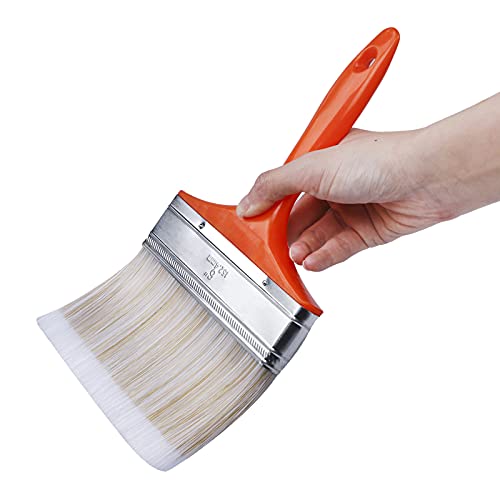
Application tools influence the final look of a water-based decking oil. A 6-inch brush with a wide, flat profile helps achieve even saturation across boards and reduces lap marks on larger surfaces. This brush features a durable polyester bristle blend and an ABS handle that resists oil absorption, improving comfort and control during long staining sessions. Suitable for applying oil-based or water-based stains and sealers, it offers a practical balance of coverage and precision.
Tip: Use long, even strokes with the wood grain, and maintain a wet edge to avoid lap marks. Cleaning is straightforward with soap and water while the product remains wet.
4″ Large Paint Brush

This 4-inch brush offers similar benefits with a more compact footprint, useful for tighter spaces or for cutting in along edges and corners. With a broad, flat design, it supports consistent coverage on vertical and horizontal surfaces alike. The TPR plastic handle resists oil absorption and stays comfortable over extended tasks. Combined with a recommended deck stain, this tool helps achieve a professional finish with fewer passes.
Buying Guide: Key Purchase Considerations For Water-Based Decking Oils
- Oil type and finish: Water-based penetrating oils emphasize wood grain and a natural look with moisture protection. Solid color water-based stains provide color and UV protection, while oil-based formulations offer deeper color and longer wear in some climates.
- Penetration vs. film: Water-based penetrating oils reduce risk of peeling and maintain wood breathability. Film-forming products may peel if not properly maintained or if surface prep is lacking.
- VOC and environmental impact: Plant-based or low-VOC options reduce odor and environmental impact, important for homes near living spaces and for indoor-outdoor transitions.
- UV protection and color retention: Pigment-rich options offer strong UV resistance. Transparent or semi-transparent finishes emphasize wood grain but provide less color protection.
- Surface prep: Clean, dry, and sound wood yields the best results. Sanding, removing old finishes, and addressing repairs contribute significantly to longevity and appearance.
- Maintenance and re-coating: Water-based finishes typically recoat more easily with less odor, but reapplication frequency depends on usage, climate, and traffic.
- Application tools: Wide brushes and appropriate rollers help achieve even coverage, especially on large surfaces. Proper ventilation and adherence to product directions are essential for safety and performance.
- Climate and curing: Temperature and humidity affect dry times and cure. Avoid applying in extremely hot, cold, or humid conditions to prevent uneven finish or clogging of pores.
- Color choice: Transparent finishes preserve natural wood tone; solid colors provide more hiding power and UV protection but conceal wood grain.
When selecting products, compare penetration depth, drying times, cleanup requirements, and environmental considerations. For best results, follow manufacturer guidance on surface preparation, coat thickness, and number of coats. For decks with heavy foot traffic, opting for a durable, UV-protective finish may reduce maintenance needs over several seasons.