Choosing the right UV window film helps reduce heat, block glare, and preserve interior furnishings. This guide compares five popular options designed for homes and offices, focusing on daytime privacy, UV and infrared (IR) blocking, and easy installation. Each product below is evaluated against common needs like energy savings, reusable clings, and non-adhesive installation. Use the Buying Guide at the end to decide which film best fits your space and lifestyle.
| Product | Brand | Privacy Type | Key Benefit |
|---|---|---|---|
| Coavas One Way Window Privacy Film | Coavas | Daytime See-Outside, See-In blocked | High IR and UV blocking with energy savings |
| KESPEN Window Privacy Film | KESPEN WINDOW FILMS | Daytime privacy, mirror effect | Strong UV/IR blocking with glare reduction |
| Dwersty Frosted Glass Window Privacy Film | Dwersty | Frosted, day and night privacy | Elegant privacy with heat control |
| HIDBEA One Way Privacy Window Film | HIDBEA | Daytime privacy, mirror effect | High UV and IR blocking with static cling |
| Haton Window Privacy Film | Haton | Daytime privacy, mirror effect | Strong UV/IR blocking, energy savings |
Note: The table above lists features and benefits at a glance. Each product section below provides installation notes, performance highlights, and usage tips to help you compare effectively.
Coavas One Way Window Privacy Film

The Coavas film blocks heat and UV while offering daytime privacy. It reflects 85% of IR rays to help stabilize indoor climates and reduce HVAC load. It blocks 95% of UV rays to protect fabrics, artwork, and furniture from fading. With a 13% VLT, it reduces glare and helps minimize vertigo from bright screens or sunsets. It’s a static cling, non-adhesive option that’s removable and reusable for renters or changing spaces. During the day, outside viewing is restricted, while interior visibility remains clear when the room is well lit.
KESPEN Window Privacy Film

KESPEN’s film emphasizes UV blocking and glare control, blocking 82% of IR and 90% of UV rays. A 12% VLT lets in some daylight to maintain a view while reducing harsh glare. The product reflects during the daytime, creating a privacy screen from the outside. It also helps with energy savings by reflecting heat away from interior spaces. Privacy protection is primarily daytime; at night, when interior lighting is stronger, the mirror effect diminishes and the inside may become visible from outside unless curtains are drawn.
Dwersty Frosted Glass Window Privacy Film

The Dwersty frosted film provides an elegant frosted glass effect that preserves daylight while obscuring visibility. It reduces heat transfer and helps maintain comfortable indoor temperatures. The film is static cling and reusable, designed for glass that is smooth and flat. Installation notes emphasize removing air bubbles and excess water for best results. It’s suitable for offices or bathrooms where privacy is needed without sacrificing natural light. The frosted appearance also helps with glare reduction and interior color preservation.
HIDBEA One Way Privacy Window Film
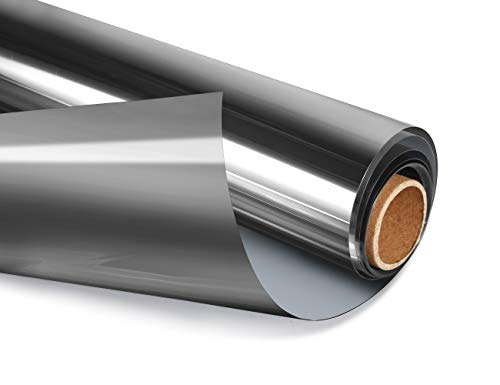
HIDBEA’s film uses a static cling, non-adhesive approach to deliver daytime privacy with a reflective exterior. It blocks 90% of UV rays and 85% of infrared rays to shield interiors and reduce glare. The product is designed for glue-free installation: apply with water, use a squeegee to remove air bubbles, and remove cleanly without residue. It’s particularly suitable for renters or spaces needing a temporary privacy solution without long-term commitment.
Haton Window Privacy Film

Haton’s film emphasizes heat control and UV protection with a reflective daytime look. It blocks about 90% of UV rays and 85% of infrared rays, helping prevent furniture fading and skin exposure. The static cling design offers easy, glue-free installation and reuse. It’s a practical option for spaces that want to combine energy savings with daytime privacy while maintaining a view when outside light is balanced with interior brightness.
Buying Guide: Key Purchase Considerations
- Privacy needs: If you require daytime privacy while keeping a view outside, look for one-way or reflective films with a mirror effect. Nighttime privacy depends on lighting; some films lose the effect after dark, so plan accordingly with curtains or blinds.
- UV and IR blocking: For interior protection of furnishings and energy savings, prioritize films advertising high UV (typically 90% or more) and IR/heat blocking (often 80–95%).
- Light transmission: VLT (visible light transmission) values indicate how much light passes through. Lower VLTs offer more privacy but less natural light; mid-range values balance privacy and daylight.
- Installation method: Static cling (glue-free) films are reusable and renter-friendly. Adhesive-backed options may provide stronger holds but are harder to remove and require solvents.
- Durability and surface: Some films are suitable for bathrooms or high-humidity rooms, while others are recommended for interior glass only. Ensure the surface is clean and smooth for best results.
- Maintenance and reuse: Reusable films save money if you’re testing different looks. Consider your willingness to reapply with clean water and squeegees when shifting styles.
- Replacement and compatibility: Check window type (single or double pane) and manufacturer recommendations to prevent film damage or improper adhesion.
- Cost vs. benefit: Compare energy savings potential against installation ease and privacy needs. A slightly higher-priced option with better IR blocking may yield greater long-term savings.
Across these options, the best choice depends on your space, whether you rent, and how much daylight you want to preserve. For a daytime privacy experience with strong UV/IR blocking and easy removal, the Coavas and HIDBEA films offer strong performance. If you prefer a frosted aesthetic with soft light, Dwersty provides a stylish alternative. For a balance of privacy and view with a reflective exterior, KESPEN and Haton are solid options that emphasize glare reduction and energy savings.