Choosing a septic-safe toilet bowl cleaner helps protect your plumbing and septic system while keeping your bathroom fresh. This guide compares five popular options that emphasize plant-based formulas, enzyme packs, or chlorine-free formulations to minimize impact on septic tanks. Each product section highlights core features, application tips, and what makes it compatible with septic systems.
| Product | Brand | Key Benefit |
|---|---|---|
| Seventh Generation Toilet Bowl Cleaner Fresh Mint | Seventh Generation | Plant-based, chlorine-free, septic safe |
| ACTIVE Automatic Toilet Bowl Cleaner Tablets | ACTIVE | Sept ic-safe, back-to-back cleaning with each flush |
| Septic Safe Toilet Bowl Cleaner – Septic Boost | Black Diamond Stoneworks | Enzymes and probiotics; protects septic health |
| Better Life Toilet Bowl Cleaner | Better Life | Plant-based, gel formula, no chlorine |
| MRS. MEYER’S CLEAN DAY Liquid Toilet Bowl Cleaner | Mrs. Meyer’s | Plant-derived ingredients; free of chlorine |
Active Automatic Toilet Bowl Cleaner Tablets

Active Bright Blue Toilet Bowl Tablets deliver ongoing cleaning with every flush. Designed to remove stains and odors, these tablets function as a tank cleaner and inside-the-bowl cleaner. The product emphasizes hard water stain removal and long-lasting freshness, appealing to households seeking continuous protection without manual scrubbing.
Septic Safe Septic Boost Enzyme Cleaner

Septic Boost combines a bio-based formula with natural enzymes and probiotics to support septic tank health. It claims dual-action cleaning for bowls and pipes while protecting stone surfaces. This option is marketed for homeowners or RV users who want a gentler yet effective approach to maintain septic balance.
Seventh Generation Toilet Bowl Cleaner Fresh Mint

Seventh Generation offers a plant-based formula that fights tough stains without chlorine, ammonia, or synthetic fragrances. The product is labeled septic-safe and USDA Certified Biobased, emphasizing sustainability and compatibility with septic systems. This option is suitable for households prioritizing eco-friendly cleansing.
MRS. MEYER’S CLEAN DAY Liquid Toilet Bowl Cleaner
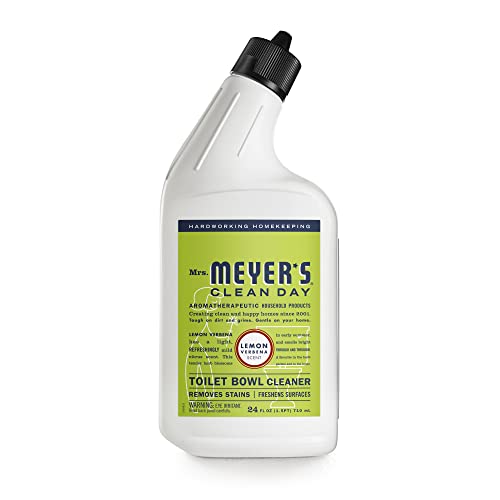
Mrs. Meyer’s Clean Day Liquid Toilet Bowl Cleaner emphasizes plant-derived ingredients and essential oils. It is formulated without chlorine, offering a scent-forward option for households seeking a fresher bathroom with a gentler chemistry. While commonly marketed as septic-friendly, verify local septic guidelines for best results.
Better Life Toilet Bowl Cleaner
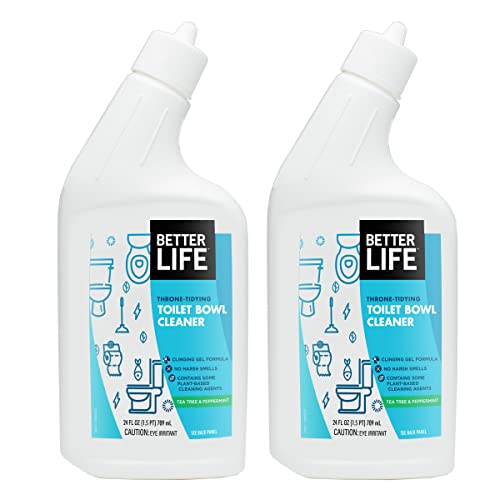
Better Life offers a plant-based gel formula that targets rings, grime, and odors. The product emphasizes no petroleum solvents, chlorine, bleach, or harsh additives, aligning with septic-friendly philosophies. While potent on stains, the gel formula provides controlled application and easier cleanup for households preferring a milder clean.
Buying Guide
- Septic compatibility: Look for explicit septic-safe labeling or terms like enzyme-based, bio-based, or biodegradable on the product page.
- Formulation: Plant-based or enzyme-based cleaners tend to be gentler on septic systems. Gel or liquid formats offer different application experiences—choose what matches your bathroom routine.
- Disinfecting vs. cleaning: If you require bacteria-killing claims, ensure the product’s labeling aligns with septic safety and check for any caveats about septic tank impact.
- Scent and additives: Essential oils and scents may affect sensitivities; opt for fragrance-free or milder scents if household members have reactions.
- Usage scope: Some products double as tank cleaners or drain treatments. Consider whether you want a single-product solution or a combination of bowl cleaning and tank maintenance.
- Environmental impact: Biobased certifications and absence of chlorine or ammonia reduce potential ecological effects, supporting greener septic health.
- Availability and substitutions: If a preferred product is out of stock, verify equivalent septic-safe options from other brands to maintain consistent septic maintenance.
- Testing and maintenance: For older septic systems, run small tests after introducing new cleaners and monitor for any changes in drainage or odors.