Tin wall panels offer a durable, retro-inspired option for kitchens, backsplashes, ceilings, and accent walls. This guide highlights five top picks that combine ease of installation with distinctive textures and finishes. Each product is evaluated on size, installation method, material durability, and suitability for different surfaces. Use the quick-reference table below to compare key details at a glance.
| Product | Brand | Size | Installation | |
|---|---|---|---|---|
| Holydecot Tin Wall Tiles 24×24 (Antique White) | Holydecot | 24″ x 24″ | Nail-Up | Ceilings, walls, stair risers |
| CeilingConnex Rusted Corrugated (Dakota Tin) | CeilingConnex | 24″ x 24″ | Nail-Up | Wainscoting, walls |
| CeilingConnex Galvalume Corrugated | CeilingConnex | 24″ x 24″ | Nail-Up | Walls, ceilings |
| Art3d 12-Pack Traditional Wall Panels (Black) | Art3d | 24″ x 24″ (each) | Glue or grid system | Decorative walls, ceilings |
| Holydecot Tin Wall Tiles (Black, 24×24) | Holydecot | 24″ x 24″ | Nail-Up | Ceilings, walls |
Holydecot Tin Wall Tiles 24×24 Antique White
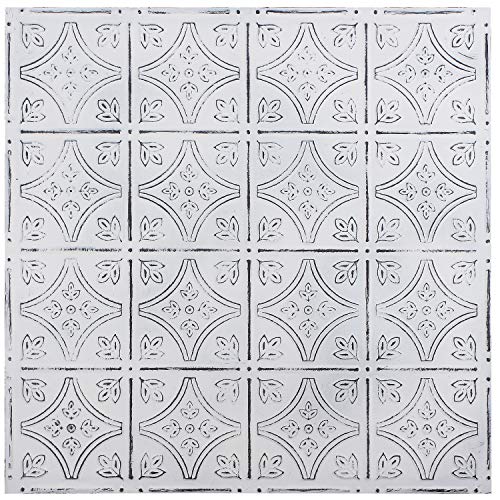
Holydecot’s 24×24 tin panels come in a five-pack, offering a classic antique white finish suitable for ceilings, backsplashes, or accent walls. The kit is designed for nail-up installation and can be cut to fit irregular spaces. Suitable substrates include plywood or furring strips for ceilings and implied adhesive methods for backsplashes. The panels measure 0.01 inches thick, providing a lightweight yet durable option for high-traffic areas.
CeilingConnex Rusted Corrugated Metal Wainscoting

CeilingConnex offers a rustic rusted corrugated look, designed as wainscoting or wall panels. The product emphasizes All-American craftsmanship and comes in multiple patinas that replicate vintage metals. It is sold as a durable option for interior walls and ceilings, with a straightforward nail-up installation process. While the listing notes a strong satisfaction guarantee, prospective buyers should confirm substrate compatibility with their wall framing or backing materials.
CeilingConnex Galvalume Corrugated Metal Panels

This galvalume variant from CeilingConnex provides a silver corrugated look with the same durable, easy-to-clean properties as other tin panels. The listing highlights a palette of rustic patinas and a commitment to customer satisfaction. Ideal for accent walls, kitchens, or ceiling panels where a metallic, industrial aesthetic is desired. The panels are designed for nail-up installation and can be cut to fit custom dimensions.
CeilingConnex Colorado Steel Rustic Corrugated Antique Grey

This antique grey palette from CeilingConnex emphasizes a Colorado rustic patina, compatible with wall and ceiling applications. The product line promotes durable construction and American manufacturing, offering a ready-to-install option for those seeking a vintage-industrial vibe. As with other CeilingConnex items, installation commonly involves nail-up methods, with potential substrate considerations for flawless seams and long-term stability.
Art3d 12-Pack Wall Panel Traditional Black

Art3d’s 12-pack features 24″x24″ black panels designed for versatile use on walls or ceilings. They are lightweight PVC panels that resist cracking, water, and corrosion. Installation options include gluing over flat substrates or laying into a standard 15/16″ T-bar grid system. The product is recyclable and offers a durable, flexible alternative to traditional metal. Each pack provides coverage around 48 square feet, making it suitable for medium-scale projects.
Holydecot Tin Wall Tiles 24×24 Nail-Up Black

This black variant from Holydecot mirrors the antique white option with a bold finish suitable for dramatic wall or ceiling installations. The packaging remains a five-pack of 24×24 inch panels, optimized for nail-up mounting and straightforward cutting for custom layouts. The product is compatible with wood substrates for ceilings and commonly uses adhesive approaches for splashbacks or backsplashes. The panel thickness remains constant at 0.01 inches.
Holydecot Tin Wall Tiles Sample 12×12 Black

This sample from Holydecot offers a smaller 12×12 inch panel for previewing finish and texture before committing to a full-size set. It is described as a nail-up option, with easy cutting to fit irregular shapes. The listing emphasizes its use in DIY renovations and as a rustic accent in kitchens, stair risers, or walls. Note that this is a single-piece sample rather than a standard tile size.
Buying Guide: Tin Panels For Walls And Ceilings
Key considerations help determine the best tin panels for your project:
- Installation method: Nail-up panels require stud framing or solid backings; glue-based or grid-system installations suit smooth, large surfaces and ceilings.
- Substrate compatibility: Plywood or furring strips are common for ceilings; flat, clean walls work well for adhesive methods.
- Finish and patina: Rustic rust, galvanized silver, antique white/black finishes create different aesthetics—industrial, vintage, or contemporary.
- Panel thickness: Most panels are around 0.01 inches thick; heavier options offer durability but may require stronger support.
- Maintenance: Tin surfaces are generally easy to clean but may require protective coatings in high-humidity areas like kitchens.
- Edge and seam treatments: Overlapping nail rails or tight seams are important for a seamless appearance; consider trimming tools and precision cutting.
- Versatility: Some panels are suitable for backsplashes, stair risers, or ceilings, expanding design options beyond walls.
- Environmental impact: Look for products with recycled content or sustainable manufacturing practices when possible.
- Price and availability: Compare multi-pack options for better value; check return policies for sample or bulk purchases.
When selecting panels, balance aesthetics with installation ease, substrate readiness, and intended area. For kitchens and bathrooms, prioritize corrosion resistance and ease of cleaning. For living spaces, focus on texture and color to complement cabinetry and lighting. Assess the space dimensions to calculate how many panels you’ll need, factoring in waste from cuts and any pattern matching required by the design.