Texture rollers make wall and ceiling finishes faster and more consistent, especially for DIY projects or updating outdated décor. This guide highlights five of the best texture rollers for walls, covering patterns, materials, and user tips to help you choose the right tool for your next project. Each product below includes a quick overview, key features, and practical use cases so you can compare at a glance.
| Product | Pattern Type | Best For | Notes |
|---|---|---|---|
| Nichiyo 7″ Texture Roller (EG323T) | Decorative patterns | Walls, furniture, floors | Durable rubber, negative imprinting technique |
| 2pcs 7″ Texture Roller Sleeve (Xelsluthe) | Crips patterns with silicone/ABS build | Thick coatings, elastomeric textures | Two rollers, ergonomic handle |
| Nichiyo 7″ Texture Roller (EG068T) | Decorative patterns | Walls, furnishings | Durable rubber, versatile coatings |
| 9″ Crow’s Foot Texture Roller (Stitokg) | Crow’s Foot pattern | Walls and ceilings | Wide, efficient coverage |
| Basket Weave Drywall Texture Roller (ALL-WALL EQUIPMENT) | Basket weave | Repairs and remodeling | Foam rubber, standard 9″ cage |
Nicho y 7″ Texture Roller EG323T — Durable Rubber Pattern
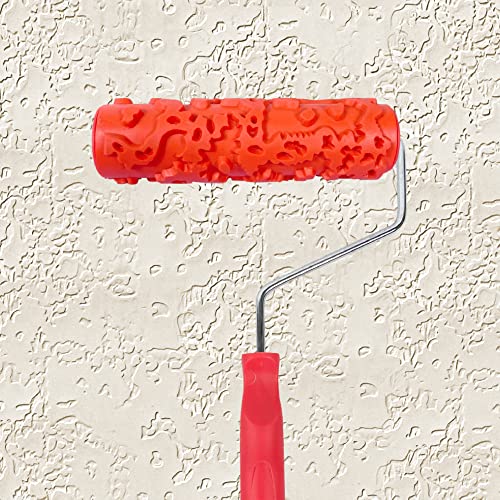
The Nichiyo EG323T texture roller offers a robust rubber construction designed for negative imprinting, where the pattern prints onto wet material. This roller is suitable for applying texture mediums, plasters, glazes, and chalk-based paints. It helps conceal wall flaws and refresh furniture with decorative patterns, making it a versatile DIY tool for modern updates. Its compatibility with non-quick-drying paints supports longer working times for careful patterning and touch-ups.
Key features include: durable rubber for repeated use, a focus on pattern printing rather than painting, and suitability for walls, furniture, and floors. The roller can be used with texture mediums and plaster blends to achieve professional-looking relief without specialized equipment. This makes it particularly attractive for homeowners seeking decorative, durable results without renting professional gear.
Use tips: test on cardboard or a small wall area first to gauge paint consistency and pressure. For best results, work in manageable sections, maintaining a consistent rolling speed to ensure even texture across surfaces.
2 Pieces 7″ Texture Roller Sleeve — Dual Set

This set includes two identical 7-inch texture rollers designed for thick slurry elastomeric coatings and similar textures. Constructed from silicone, ABS, and stainless steel, these rollers deliver durable performance and repeatable imprint patterns. Ergonomic handles help reduce fatigue during longer sessions, while the silicone roller ensures clean, crisp impressions on wet materials such as plaster or heavy texture paints.
When to use: ideal for large, patterned areas on walls, floors, or furniture where bold texture is desired. The two-roller package allows for pairing different textures or simply having a spare for quick replacements during a project. It pairs well with texture mediums and slow-drying paints to maintain pattern definition.
Practical advice: test on a sample board to set the right amount of paint or texture medium. Maintain consistent pressure and pass speed to avoid pattern smearing or inconsistent depth across the surface.
Nicho y 7″ Texture Roller EG068T — Classic Pattern Tool

The Nichiyo EG068T adds a second option in a similar size with durable rubber construction and the same negative imprinting technique. It supports textured finishes on walls, furniture, and floors with texture mediums, plasters, chalk-based paints, and glazes. The tool is designed to help renew walls by concealing imperfections or updating decor with decorative patterns.
Key considerations: the roller works best with slower-drying finishes to allow pattern formation before the surface sets. It is a practical choice for adding subtle or bold textures depending on roller pressure and paint thickness. Like other Nichiyo rollers, it emphasizes ease of use and DIY-friendly results without professional training.
Tips for best results: always pre-water or pre-wet the pattern area if using plaster-based products to prevent rapid drying. Apply in even strokes, keeping a steady pace to ensure uniform depth and crisp edges in the pattern.
9″ Crow’s Foot Texture Roller (Stitokg)
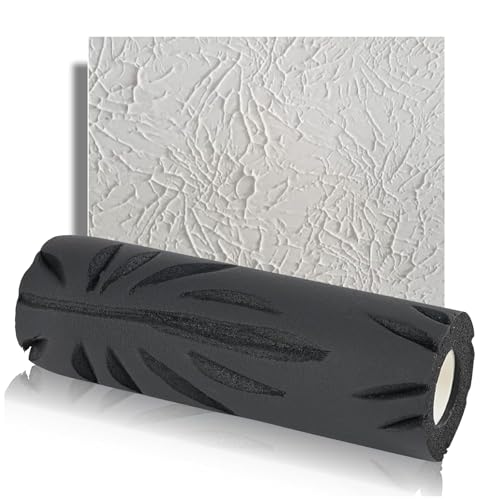
The Stitokg 9-inch Crow’s Foot texture roller is designed for high-adhesion texture applications on walls and ceilings. Its wide pattern footprint supports quicker coverage, delivering consistent, salon-quality finishes with minimal effort. The ergonomic design facilitates easy handling for DIYers and professionals alike, reducing fatigue during longer projects. It performs best with textured paints and suitable plaster-based coatings, enabling durable, eye-catching effects.
Usage notes: this roller excels for large surface areas, where broad, repeating patterns are desired. Press evenly and roll steadily to maintain uniform depth across the wall or ceiling. It’s particularly suitable for renovation projects where a bold decorative texture is preferred without complex tools.
Basket Weave Drywall Texture Roller (ALL-WALL EQUIPMENT)

The Basket Weave texture roller by ALL-WALL EQUIPMENT is designed for repairing, remodeling, and DIY projects where a decorative weave texture is desired. The foam rubber texture roller fits most standard 9″ cages and is suitable for applying drywall mud to create a consistent basket weave pattern. It helps match textures across repaired or newly finished areas and is compatible with various texture materials to achieve an integrated look in both walls and ceilings.
Ideal use scenarios include patching rough areas and creating decorative features that resemble woven textures. The tool is a reliable option for homeowners seeking a distinctive pattern that hides minor surface irregularities and blends with existing textures.
Buying Guide: Texture Rollers For Walls
- Pattern type: Choose between natural textures like crow’s foot or basket weave versus simpler repeating patterns. Pattern choice affects both the visual impact and the amount of texture medium needed.
- Material and durability: Rubber rollers are common for reliable imprinting; silicone or ABS handles reduce fatigue on longer jobs. Consider long-term tool life if you plan multiple projects.
- Coatings compatibility: Ensure the roller works with texture medium, plaster, glazes, chalk-based paints, or slow-drying paints. Some rollers are optimized for thick coatings; others suit lighter textures.
- Surface coverage: Wider rollers (7–9 inches) cover larger areas faster but may require more control. Smaller rollers provide greater precision for detailed work.
- Ergonomics and fatigue: Look for ergonomic handles and balanced weight to minimize hand strain during extended use.
- Maintenance: Clean rollers promptly after use to prevent dried texture material from clogging the pattern. Some materials tolerate water-based cleanups better than oil-based finishes.
- Versatility: For renovations, a roller that handles walls, ceilings, furniture, and floors can reduce tool clutter and expand usage scenarios.
- Replacement parts: Check availability of spare sleeves or replacement rollers in case the pattern degrades over time.
In selecting the best texture roller for walls, consider your project size, desired texture depth, and preferred pattern. For large rooms, a 9-inch roller like the Crow’s Foot option provides efficient coverage. For patchwork or detailed updates, pack smaller, versatile rollers such as Nichiyo options to achieve consistent results with modest effort. Durable materials and ergonomic designs contribute to better outcomes and longer tool life, especially for ongoing DIY projects.