Crawl spaces demand reliable water control. This guide highlights five proven sump pumps well-suited for crawl spaces, focusing on ease of installation, durability, and pumping performance. Each option is evaluated on capacity, build quality, and automatic features to help you choose a system that keeps moisture at bay while minimizing maintenance.
Summary of Chosen Products
- Little Giant CS-SS 115-Volt, 1/3 HP — 3000 GPH, automatic crawl space system
- Zoeller Crawl Space Sump Pump with Kit — compact and American-made, ready-to-install
- Zoeller 105-0001 Sump Pump — reliable 1-1/2″ discharge with automatic switch
- Liberty CSP-257 1/3 HP Cast Iron Crawl Space Sump Pump Kit — durable cast iron design
- WAYNE CDU790 1/3 HP Submersible Sump Pump — integrated float switch, high flow
Little Giant CS-SS Crawl Space Sump System
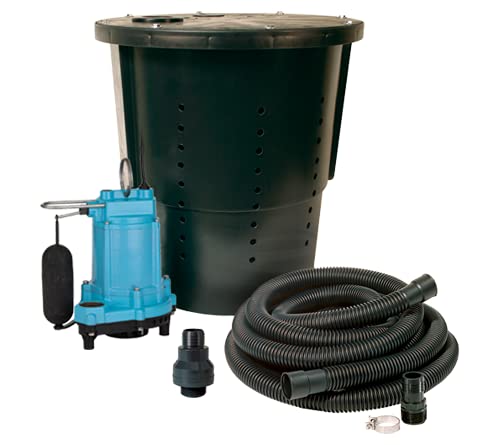
The Little Giant CS-SS package is designed for residential crawl spaces and other low-lying areas. It combines an automatic 1/3 HP cast iron sump pump, an 18-by-22-inch perforated basin, a structural foam cover, a discharge hose kit, and a check valve for a complete ready-to-assemble system. The included Little Giant 6EC-CIA-SFS pump uses a snap-action float switch, turning on when water rises to 8–11 inches and shutting off between 2 and 5 inches. This arrangement aims to reduce moisture buildup and protect foundations from standing water.
Zoeller Crawl Space Sump Pump Kit

This kit from Zoeller focuses on crawl space applications with an emphasis on American-made quality. The listing notes the kit’s country of origin and brand positioning, along with practical inclusions for a ready-to-use package. While compact in description, it provides a solid option for homeowners seeking a straightforward installation with dependable performance and a kit that can address typical crawl space moisture challenges.
Zoeller 105-0001 Sump Pump

The Zoeller 105-0001 is a compact, automatic sump pump featuring a float-operated mechanical switch, 115V/1 phase operation, and a 1-1/2″ NPT discharge. It includes a 9-foot UL-listed three-wire cord and plug, offering straightforward plug-and-play installation for crawl spaces where space is at a premium. Its reliability and simple control make it a strong baseline option for moisture control in smaller pits.
Liberty CSP-257 Crawl Space Sump Pump Kit

The CSP-257 kit from Liberty Pumps features a 1/3 HP cast iron sump pump, a perforated 16.5-by-15-inch sump pit, and a 24-foot, 1-1/4-inch flexible polyethylene hose. The kit’s cast iron construction supports durability in damp crawl spaces, and the included pit ensures efficient drainage while keeping installation practical for homeowners upgrading moisture control systems. The VMF switch option in related models indicates a focus on reliable automatic operation.
Liberty CSP-457 1/2 HP Sump Pump Kit

The CSP-457 kit includes a 1/2 HP sump pump with a VMF switch, a 16.5 by 15-inch perforated sump pit with a cover, and a 24-foot flexible hose. Its larger horsepower helps handle higher flow during storm surges or heavy rainfall, while the included pit and cover design minimizes debris ingress. This kit is suitable for larger crawl spaces or homes with higher water intrusion risk, delivering robust performance with a standardized installation footprint.
WAYNE CDU790 Sump Pump

The WAYNE CDU790 is a 1/3 HP, submersible sump pump with an integrated vertical float switch. It is designed for heavy water flow management in basements and crawl spaces, delivering up to 4,600 GPH. The exterior features corrosion-resistant epoxy-coated steel and a cast-iron volute for long-term durability. The top suction design reduces air locks and minimizes debris-related clogs, and installation is designed to be straightforward, often completed in about 15 minutes, with no need for a weep hole.
Buying Guide: What To Consider When Choosing A Crawl Space Sump Pump
- <strongPumping Capacity and Size Consider the typical water flow in your crawl space. For smaller pits, a 1/3 HP pump may suffice, while larger crawl spaces or homes with poor drainage may benefit from 1/2 HP units. Also verify the discharge size and available pit space to ensure compatibility.
- Automatic Operation Look for a solid automatic float switch or electronic sensor that starts pumping as water rises and stops when the area dries. A snap-action switch can help prevent short cycling in fluctuating moisture conditions.
- Material And Durability Cast iron or epoxy-coated housings offer better durability in damp environments. A robust pump reduces maintenance needs and extends service life in crawl space applications.
- Installability And Kit Inclusions Pre-packaged kits with basins, lids, checks valves, and hoses simplify installation. If a kit lacks a discharge line or a proper pit, factor those extras into the total cost and setup time.
- Discharge Routing Plan where the pumped water will go—drainage, sump outlets, or external storm lines. Ensure downhill routing to avoid backflow and consider hose length and durability for outdoor constancy.
- Maintenance Needs Choose pumps with accessible impellers and simple service procedures. Regular checks of the float switch, cord, and discharge line help maintain reliability in crawl spaces.
- Electrical Safety Confirm that the model uses a grounded connection and is suitable for indoor use. Some units are designed specifically for basement environments and indoor conditions; verify suitability for crawl spaces.
- Warranty And Support A strong warranty and readily available replacement parts can reduce downtime and ensure quick repairs if parts wear out.
- Noise And Vibration In finished crawl spaces, noise levels matter. Look for models with stable mounts and vibration-reducing design if the pump sits near living spaces.
When choosing, compare the key tradeoffs: capacity versus space, kit completeness versus extra purchases, and the balance of cost with long-term durability. For many crawl spaces, a compact, automatic 1/3 HP or 1/2 HP unit with a durable cast-iron body and a reliable switch provides dependable moisture control, while larger homes or spaces with heavy water intrusion may benefit from higher-flow models paired with robust basins and proper discharge planning.