Keeping livestock hydrated during freezing temperatures is essential for animal welfare and farm efficiency. Stock tank deicers prevent ice from forming on water sources, ensuring a continuous supply of drinkable water. This guide highlights five reliable de-icers, detailing design, heat source, and safety features to help you choose a model that matches your tanks, climate, and power considerations.
Summary of Selected Products
- Farm Innovators 1500 Watt Cast Aluminum Submersible Tank Heater Deicer
- Farm Innovators 2 Pack Submergible Tank De-Icer, 1000W
- API Stock Tank De-Icer with Floating Enclosure (1500 Watt)
- Farm Innovators H-418C Cast Aluminum 1250 Watt Convertible De-Icer
- Farm Innovators Submergible Tank De-Icer, 1500W
Farm Innovators 1500W Cast Aluminum Submersible De-Icer

The Farm Innovators 1500-Watt Submersible Tank Heater Deicer uses cast aluminum construction for durability and efficient heat transfer. It is designed to keep livestock water ice-free in cold weather and includes a built-in self-regulating thermostat, which activates as water approaches freezing. This feature helps minimize energy use while maintaining reliable hydration in outdoor tanks. The unit resists rust, supporting long-term operation in barnyards, feedlots, and ponds.
Farm Innovators 2 Pack Submergible Tank De-Icer, 1000W

This two-pack set provides 1000-watt submersible de-icers designed to rest at the bottom of tanks. The thermostatic control activates the heater only when ice risk is present, promoting energy efficiency. The design keeps de-icers stable in plastic or metal tanks, and the included protective features help prevent disturbance by livestock, ensuring continuous operation without frequent adjustments.
API Stock Tank De-Icer with Floating Enclosure

The API Stock Tank De-Icer features a buoyant, rugged float enclosure that keeps the heater at the water surface, even in choppy conditions. A stainless steel heating element helps resist corrosion, and a six-foot power cord minimizes the need for extension cords. This design aims for reliable performance in varied weather while reducing maintenance in livestock water setups.
Farm Innovators H-418C Cast Aluminum 1250W De-Icer

The H-418C offers a convertible design that works as both a floating and submergible de-icer. Cast aluminum construction enhances heating efficiency and durability. The unit is thermostatically controlled, operating only as needed to prevent icing, with precise temperature management to minimize energy use while maintaining an ice-free water surface for livestock tanks.
Farm Innovators Submergible Tank De-Icer, 1500W

This 1500-watt submergible de-icer emphasizes a cast aluminum build for efficient heat transfer and durability. Thermostatic control ensures operation only when needed, conserving energy. The unit’s robust design helps maintain water access during severe winter conditions in livestock housing and outdoor stock tanks, promoting consistent hydration and animal health.
Qanskm 1000W Submergible De-Icer
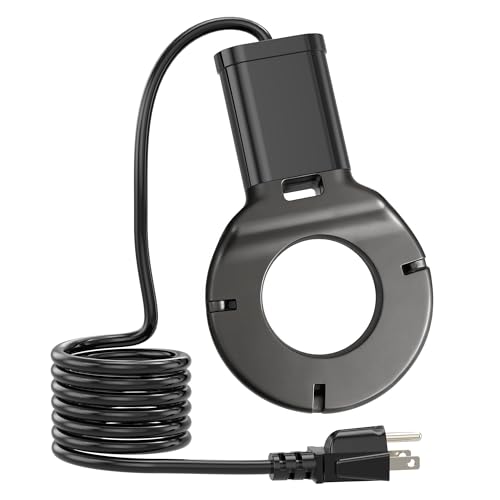
The Qanskm 1000W de-icer is designed for versatility, suitable for 5-gallon to 50-gallon containers and common livestock applications. It features auto temperature control, starting below 35°F and turning off around 77°F. The device uses non-conductive, anti-rust aluminum with a protective surface coating to resist corrosion and scale buildup, making it safe for various tank materials and easier to maintain in cold climates.
Buying Guide: Key Purchase Considerations
When selecting a stock tank de-icer, consider tank size, climate, power availability, and tank material. Submersible units hot-water contact directly with the water, so durability and corrosion resistance are critical. Float-style units keep the heater at the surface, useful for larger outdoor ponds or where livestock may bump equipment. Thermostatic controls help save energy by turning the heater on only when needed.
Factors to compare across models include wattage (1000W–1500W typically suitable for most livestock tanks), ease of installation, and whether the unit is designed for plastic, metal, or mixed tanks. Some models offer dual functionality as both floating and submersible devices, increasing versatility in various water sizes. Look for chew-proof cords if livestock access the tank area, and ensure cords are rated for outdoor use and protected from weather exposure.
Safety and maintenance are essential. Ensure that the de-icer has a rugged enclosure to withstand outdoor elements, and verify that the heating element is corrosion-resistant, preferably stainless steel or cast aluminum. Regular inspections for wear, fraying cords, and any signs of rust will extend the life of the heater. If you have multiple tanks, consider a multi-pack option to standardize power and maintenance routines.
Energy efficiency can influence operating costs over the winter months. Thermostatic controls and auto-shutoff features reduce unnecessary heating. In ponds or large troughs, a float-equipped model can maintain surface warmth without excessive energy use, while submersible units excel in smaller or deeper tanks where full immersion is possible.
Operational considerations include whether you prefer a unit that rests at the bottom of the tank or one that remains at the surface. Some models offer adjustable mounting or multi-use configurations, allowing easy adaptation to changing tank setups or seasonal needs. Always assess the longest power cord length to ensure safe reach from power outlets or farm buildings.
In summary, the right stock tank de-icer balances heat output, durability, and energy efficiency with your specific tank type and climate. The reviewed options provide a range of approaches—from submersible cast-aluminum heaters to buoyant floats—enabling a practical choice for maintaining hydrated livestock during freezing weather.