Finding a reliable stair lift or step-assist tool can improve mobility and safety in homes with stairs. The following picks cover self-installable lifts, powered chairs, and stabilizing canes to help users navigate straight staircases with confidence. Each option lists core features to compare suitability for daily use, safety, and weight capacity.
| Product | Brand | Max Weight Capacity | Type | Key Benefit |
|---|---|---|---|---|
| AmeriGlide Rave 2 Stair Lift | AmeriGlide | 350 lb | Self-installable stair lift | Battery-powered, 15 ft track included |
| Powered Wheelchair Stair Chair (Model XFGW30-107) | FADHOLE | 480 lb | Stair climbing wheelchair | Electric, smooth stair movement |
| Manual Lift Stair Chair | DnyioVpl | 350 lb | Portable folding stair chair | Lightweight aluminum, folding for transport |
| XAOMING Patient Lift Transfer Chair | XAOMING | Not listed | Transfer chair for stairs and evacuation | Sturdy transfer support with safety features |
| Stair Climbing Cane Half Step | POWYS | 400 lb | Stair climbing cane | Half-step, adjustable, high stability |
AmeriGlide Rave 2 Stair Lift
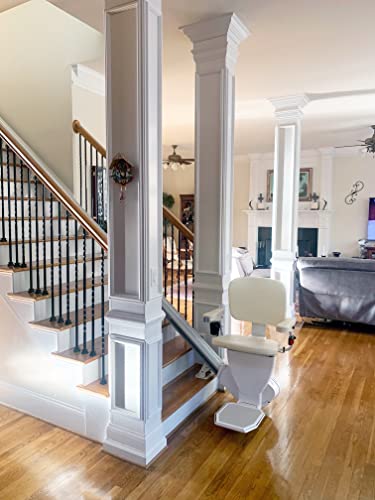
AmeriGlide’s Rave 2 stair lift is designed for straight stairs with a focus on independent installation. It runs on a battery, reducing the need for continuous power supply and providing partial operation during outages. The setup includes a 15-foot track and supports up to 350 pounds, making it suitable for many households. The self-installation aspect is a key advantage for DIY-oriented users, though precise stair measurements and professional alignment can still influence final performance.
Key features include battery-powered operation for continued use during outages, a robust 15-foot track, and a 350 lb weight capacity. The unit is marketed for straightforward, home-based installation, which can save time and installation costs while offering reliable daily assistance on straight stairs.
Powered Stair Climbing Wheelchair

This stair climbing chair provides an electric, motor-assisted experience for users needing mobility assistance on straight stairs. It combines a sturdy aluminum frame with a high load capacity, supporting up to 480 pounds while remaining relatively lightweight. Caregivers can supervise using a user-friendly control panel, enabling gradual and controlled ascent or descent. The chair is intended for straight stairways and emphasizes safety and maneuverability for daily use.
Pros include strong load capacity and motor-assisted operation; considerations involve ensuring compatibility with your home’s stair dimensions and confirming that the staircase is straight, not curved or spiral.
Manual Lift Stair Chair

This manual lift stair chair emphasizes portability and folding design for easy storage and transport. Constructed from durable aluminum alloy and PVC, it offers a 350+ pound capacity and can be folded into a compact size for car trunks or home storage. It is suitable for occasional use or emergency mobility needs where a powered lift is not available, providing a practical balance of strength and convenience.
Strengths include a robust carry capacity and foldable form factor; potential limitations involve the manual effort required for ascents and the need for stable seating surfaces along stairs.
XAOMING Patient Lift Transfer Chair
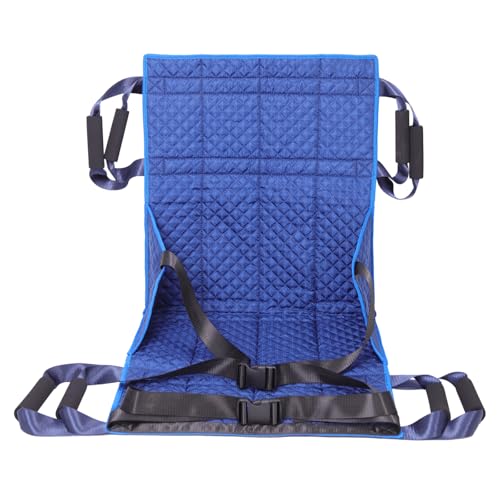
The XAOMING transfer chair is designed for patients transitioning between chairs, beds, or stairs during evacuation or daily care. It emphasizes portability and ease of use for caregivers, with transfer-friendly materials and grips. While not a traditional stairlift, it serves as a multi-purpose mobility aid for scenarios where assisted transfers are needed on or around stairs, particularly for caregivers providing daily support.
Considerations include suitability for stair use versus flat surface transfers, user weight, and compatible transfer settings. The product aims to improve caregiver efficiency and patient safety during mobility tasks.
Powys Stair Climbing Cane Half Step

The Powys stair climbing cane offers a half-step design to aid users in navigating stairs with increased leverage and stability. It features a robust base, adjustable height, and a weight capacity up to 400 pounds. The four-pronged base and textured grip aim to reduce slippage on various stair materials, making it a practical option for those seeking a non-electric assist device for stairs, post-surgery recovery, or mobility support on uneven steps.
Strengths include flexibility, ease of use, and a high weight rating. Considerations involve the need for steady balance and proper technique when using assistive canes on stairs, especially on steep or narrow steps.
Buying Guide: Key Purchase Considerations For Stair Help Devices
- Stair Type Compatibility: Confirm whether the product is designed for straight stairs, curved stairs, or multi-level configurations. Some devices are optimized for straight runs, while others are more versatile but may require installation considerations.
- Weight Capacity: Review the maximum user weight and any accessory limits. Higher capacity devices support a wider range of users but may have larger footprints or installation requirements.
- Power Source and Battery Life: Battery-powered lifts offer operation during outages, but check charge duration and replacement needs. Manual options eliminate power dependency but require physical effort.
- Installation And Space Requirements: Some units are self-installable with standard tools, while others may require professional setup. Measure stair dimensions, track length, and clearance areas to ensure proper fit.
- Portability And Storage: Folding designs and transport chairs benefit users who need to move the device between rooms or vehicles. Consider storage space when not in use.
- Safety Features: Look for secure locking mechanisms, anti-slip bases, cushioned grips, and stable bases. For caregivers, consider ergonomics and ease of operation.
- Maintenance: Check for ease of cleaning, parts availability, and warranty coverage. Durable construction and rust-resistant materials can impact long-term reliability.
- Usage Scenarios: Distinguish between daily mobility assistance, emergency evacuation readiness, and temporary recovery support to select the most appropriate device.
- Budget And Lifespan: Compare upfront costs against expected lifespan and maintenance needs. A higher upfront investment may yield lower long-term costs if it lasts longer and requires fewer repairs.
- Regulatory And Accessibility Considerations: Ensure the device complies with safety standards and local accessibility guidelines, especially for home care settings.