Whether you’re living full-time in an RV or traveling seasonally, a compact portable AC can be a smart cooling solution. This guide highlights five small, RV-friendly portable air conditioners that balance size, efficiency, and performance. Each option is chosen for portability, ease of setup, and suitability for smaller spaces typical of RVs, campers, and trailers. Read on to compare features, cooling capacity, and practical considerations to help you pick the right model for your needs.
| Product | BTU / Coverage | Special Features |
|---|---|---|
| Antarctic Star Portable AC | 8,000 BTU; up to 350 sq ft | 3-in-1; dehumidifier; portable with wheels |
| EUHOMY Portable AC | 8,000 BTU; up to 350 sq ft | 3-in-1; lightweight; removable filter |
| Countrymod RV Unit | 10,000 BTU | Inverter design; low noise; energy efficient |
| EnjoyCool Camping AC | 14 lb unit; compact cooling | Ultra-portable; RV/camping use |
| SereneLife 10,000 BTU WiFi | 10,000 BTU; up to 450 sq ft | WiFi control; 4-in-1 (cool/heat/dehumidify/fan) |
Antarctic Star 8,000 BTU Portable AC

The Antarctic Star 8,000 BTU portable air conditioner provides ASHRAE-rated cooling suitable for spaces up to about 350 square feet. It operates as a 3-in-1 unit: cooling, dehumidifying, and a fan. A built-in 24-hour timer helps schedule on/off cycles, and a remote control simplifies operation from bed or seating areas. The unit includes 360-degree wheels and integrated handles for easy relocation—handy for RV layouts or camping setups where you need cooling in different zones. The dehumidifier mode removes substantial moisture, supporting comfort in humid environments.
EUHOMY 8,000 BTU Portable AC

EUHOMY’s 8,000 BTU portable unit is designed for quick cooling and energy efficiency. It functions as a 3-in-1 appliance—cooling, dehumidifying, and acting as a fan. The included window kit enables straightforward installation without permanent modifications, which is ideal for RVs and rental spaces. A washable filter simplifies maintenance, and the unit’s compact footprint makes it suitable for tight spaces. CEER of 6.1 reflects its energy-conscious performance while delivering noticeable temperature reduction within minutes in smaller rooms.
Countrymod 10,000 BTU RV Air Conditioner

The Countrymod 10,000 BTU RV air conditioner features an inverter-based design that adjusts compressor speed according to cooling demand, boosting efficiency for RV use. It is engineered for quiet operation (typically 45–55 decibels), helping minimize cabin noise during travel or rest. With low energy consumption and flexible temperature control, this model is suitable for users who want sustained cooling with modest power draw. The design emphasizes distribution of cool air without direct blasts, contributing to a comfortable environment in compact RV interiors.
EnjoyCool Portable AC For Camping
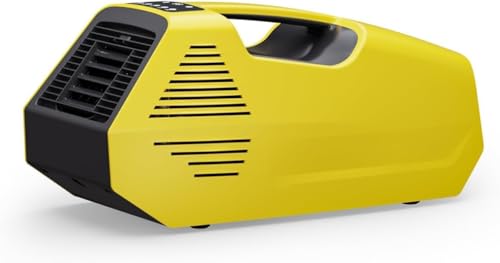
EnjoyCool offers a compact, lightweight option designed for camping and RV use. Weighing around 14 pounds, it emphasizes portability without sacrificing basic cooling performance. The unit advertises rapid cooling for smaller spaces and is built to be easily carried between locations. Its design also focuses on simple setup, aided by straightforward controls for quick operation in outdoor or semi-enclosed spaces such as tents and RV interiors. This model suits travelers who prioritize easy transport and quick relief from heat in small courtyards or cabins.
SereneLife 10,000 BTU WiFi Portable AC

This SereneLife model combines 10,000 BTU of cooling with WiFi-enabled control and a remote for convenient adjustments from across a room or bed. It functions as a 4-in-1 appliance, combining cooling, dehumidification, heating, and fan modes to adapt to seasonal needs. The included window mount kit simplifies installation in RV windows or other openings. Coverage up to 450 square feet makes it suitable for larger RV living areas or combined spaces, while the self-evaporating feature helps mitigate water buildup during long sessions away from home.
Buying Guide: Key Considerations For Small RV Air Conditioners
- Cooling capacity vs. space: Choose BTU levels appropriate for your RV floor plan. Smaller RVs typically perform well with 8,000 BTU, while larger layouts may benefit from 10,000 BTU units.
- Portability and weight: Look for built-in handles, wheels, and compact dimensions to ease movement between sleeping and living areas or during travel.
- Energy efficiency: Inverter compressors and CEER ratings help reduce power draw, a critical factor when running on limited shore power or a generator.
- Multi-function flexibility: Models offering dehumidification, fan, or heating can provide year-round comfort and reduce the need for additional appliances.
- Installation and maintenance: Window kits or no-drill installation options simplify setup in RVs. Washable filters and easy access to components aid ongoing maintenance.
- Noise level: RV living values quiet operation, especially in sleeping areas. Check decibel ranges to minimize nighttime disturbance.
- Smart or remote operation: WiFi or remote controls add convenience when your seating areas are far from the unit itself.
- Durability in travel conditions: Corrosion-resistant housings and stable bases help ensure reliable performance on road trips and at campsites.
How To Choose For Your RV
- Assess space: Measure your RV’s main living/dining area and any sleeping quarters you want cooled. This helps determine BTU needs and unit footprint.
- Power availability: Confirm available power sources in campsites or your generator’s capacity to avoid overloading circuits.
- Ventilation compatibility: Some RV layouts benefit from ductless or window-vent configurations; ensure your model supports easy venting in your window frame.
- Maintenance cadence: Pick models with washable filters and straightforward cleaning routines to maintain efficiency and air quality on long trips.
- Future needs: If you anticipate hot summers in multiple locations, consider a slightly higher BTU unit or a model with multi-zone capabilities to cover different areas of the RV.