The right silicone sealant keeps aquariums watertight while remaining non-toxic for fish and other aquatic life. This guide reviews five top silicone sealants, highlighting safety, adhesion, curing, and suitability for freshwater or saltwater tanks. Each product is chosen for reliability, low odor, and strong bonding on glass surfaces. Use the buying guide to compare features and make the best choice for your setup.
| Product | Brand | Notes |
|---|---|---|
| Aqueon Silicone Sealant Clear 3 Ounces | Aqueon | Waterproof, permanently flexible, easy to apply |
| SELSIL Aquarium Silicone Clear Sealant | Selsil | High elasticity, solvent-free, ozone and UV resistant |
| DaToo Aquarium Silicone Sealant Clear Type | DaToo | Pure silicone, fast curing, strong adhesion |
| SELSIL Aquarium Silicone Sealant Clear 2 Pack | Selsil | 100% silicone, non-toxic, durable for fresh/saltwater |
| AG Adhesive Guru Aquarium Silicone Sealant Clear | AG Adhesive Guru | 100% silicone, multi-use, strong, flexible bond |
Introduction Note: All products listed are formulated to be fish-safe and suitable for aquarium use. Always follow manufacturer directions for curing times and application surfaces.
Aqueon Silicone Sealant Clear 3 Oz
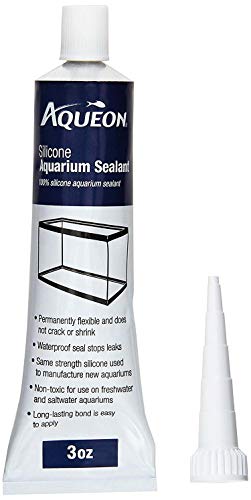
Aqueon Silicone Sealant is designed for aquarium use with a waterproof, flexible bond that resists cracking or shrinkage over time. The formulation aims for a long-lasting seal on glass seams and joints, reducing the risk of leaks in both freshwater and saltwater setups. It cures to a clear, durable finish that remains elastic under temperature variations typical of home aquariums.
- Waterproof seal prevents leaks
- Permanent flexibility; resists cracking or shrinking
- Easy to apply for reliable, long-lasting bonds
SELSIL Aquarium Silicone Clear Sealant – High Elasticity

This SELSIL sealant is solvent-free and designed for glass bonding in aquariums. It offers high elasticity and remains flexible across a wide temperature range, making it suitable for both freshwater and saltwater tanks. The sealant adheres well to non-porous surfaces like glass without needing a primer and resists ozone and UV exposure, supporting durable, long-term use.
- Safe for fish; ISO 11600 compliant
- Adheres to glass and non-porous surfaces without primer
- High elasticity; ozone and UV resistant
DaToo Aquarium Silicone Sealant Clear Type
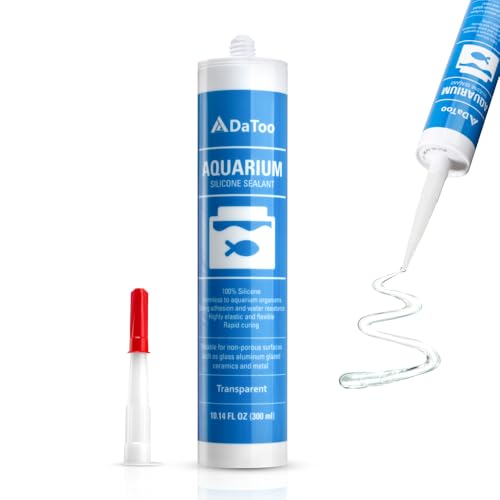
DaToo offers a 100% pure silicone formula with no solvents or additives, designed for ecological safety and reliable adhesion. It cures quickly to form a flexible, watertight seal resistant to immersion and temperature shifts. This makes it suitable for both new tank construction and repairs, with strong adhesion to glass without primer.
- 100% silicone; no solvents
- Fast-curing and water-resistant
- Strong adhesion to glass; suitable for freshwater and seawater
SELSIL Aquarium Silicone Sealant Clear, 2 Pack

This two-pack from SELSIL provides the same high-elasticity, 100% silicone formula in a value bundle. It is non-toxic and suitable for both freshwater and saltwater aquariums, delivering a durable bond on glass and other non-porous surfaces without degrading under UV exposure or ozone.
- 100% silicone; non-toxic for aquatic life
- Adheres to glass; works without primers
- Durable, elastic bond for both tank types
Aquarium Silicone Sealant Clear – AG Adhesive Guru

AG Adhesive Guru’s silicone sealant is a 100% silicone formula designed for multiple aquarium uses, including sealing seams, stopping leaks, and attaching decorations. It maintains a flexible, permanent bond that resists cracking or shrinking, making it a versatile choice for hobbyists who require reliable performance across different tank sizes and environments.
- 100% silicone; no additives
- Versatile use: seal seams, stop leaks, attach décor
- Strong, flexible bond that remains durable over time
Buying Guide: Key Purchase Considerations
When selecting a silicone sealant for a fish tank, consider safety, curing behavior, adhesion, and compatibility with your aquarium type.
- Safety for aquatic life: Look for 100% silicone, solvent-free formulas and explicit fish-safe certifications or standards. Avoid products with added solvents or fungicides that could leach into the water.
- Curing time and method: Quick-curing formulas save time but ensure the surface is dry and clean. Some products require air exposure or moisture to cure fully; follow recommended timings to avoid disrupting tank inhabitants.
- Adhesion to glass: For most aquariums, a strong bond to glass is essential. Primerless adhesion and compatibility with non-porous surfaces reduce application steps and improve reliability.
- Elasticity and temperature stability: A flexible silicone that stays elastic across temperature fluctuations will reduce the risk of cracking as the tank warms or cools.
- Freshwater vs. saltwater: Both environments are common; confirm that the sealant remains non-toxic and durable in your specific water type and lighting exposure (UV/ozone resilience helps in outdoor or high-UV rooms).
- Applications beyond seams: Many sealants can also bond decorations or seal joints around hose outlets. Choose a product with the desired versatility if you plan multiple uses.
- Availability and packaging: Larger tubes or multi-packs can offer value for ongoing projects. Ensure packaging includes clear curing instructions and safety notes.
Comparative Quick Reference
The following summarizes core attributes to help you compare options at a glance:
- Aqueon: Easy to apply, waterproof and permanently flexible; solid all-around performance for glass seams.
- SELSIL High Elasticity: Solvent-free, ozone/UV resistant; excellent for fish tanks exposed to light and air exposure.
- DaToo: 100% silicone, fast curing, strong adhesion; focused on ecological safety and quick setup.
- SELSIL 2 Pack: Value option with same fish-safe, non-toxic formula; reliable for multiple repairs or builds.
- AG Adhesive Guru: Versatile, strong, flexible bond suitable for decorations and seams alike.
Note: This article provides general guidance based on product features. Always verify current certifications, application instructions, and cure times on the manufacturer’s page before use.