Protecting living spaces from mice often requires a combination of physical barriers and deterrents. The products below offer a mix of expanding foam barriers and natural repellents designed to seal gaps and deter intruders. This guide compares options by material type, application, and coverage to help homeowners choose effective solutions for entry-point protection.
| Product | Brand | Key Benefit |
|---|---|---|
| Tomcat Rodent Block Expanding Foam Barrier | Tomcat | Airtight, water-resistant gap filler to block entry points |
| Mouse Out! All-Natural Rodent Repellent Spray | Clean Science | Active scent-based deterrent for cars and homes |
| fcesiweg Rodent Repellent | fcesiweg | Natural peppermint-based protection for indoors and outdoors |
| Peppermint Oil Repellent (4 Pack) | Motrapso | Natural essential-oil deterrent for multiple spaces |
| Xcluder Stainless Steel Garage Door Shield | Xcluder | Chemical-free steel barrier for garage door gaps |
Tomcat Rodent Block Expanding Foam Barrier
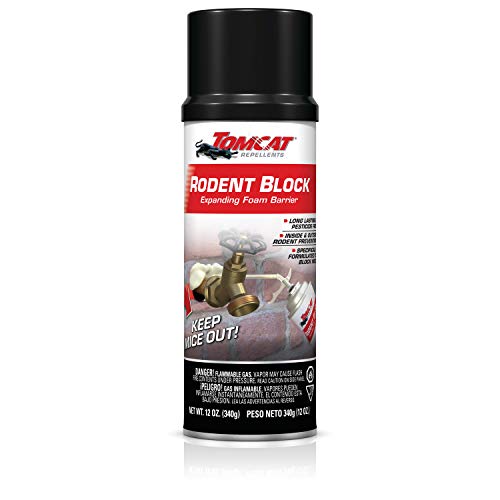
Tomcat Rodent Block Expanding Foam Barrier is a pesticide-free option that expands to fill gaps and cracks, creating a long-lasting, airtight, and water-resistant barrier. It adheres to most building materials, blocking entry points used by mice. The foam is designed for rapid setting and durable performance in typical home environments, helping to reduce pathways that rodents may use to enter living spaces.
Mouse Out! All-Natural Rodent Repellent Spray
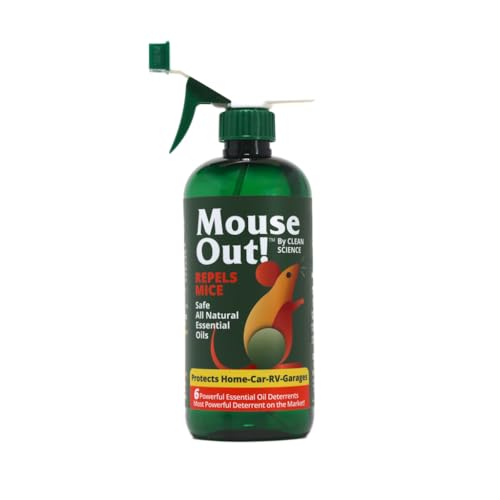
Mouse Out! is an all-natural repellent spray featuring a high concentration of active ingredients and a pheromone trail-disrupting technology. Its six-essential-oil blend creates a scent profile that is offensive to rodents while remaining safe for pets and kids. This spray targets interior spaces and can deter mice from wiring, cabinets, and other commonly exposed areas.
fcesiweg Rodent Repellent
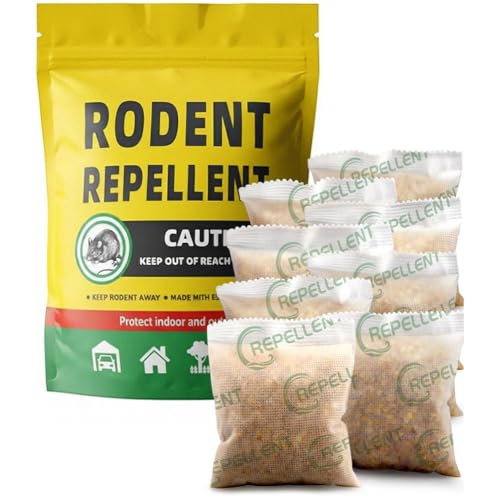
fcesiweg offers a peppermint oil-based repellent designed for indoor and outdoor use. The formula aims to deter mice from chewing wires and nesting in structures, with a claimed three-month protection window and coverage suitable for homes, vehicles, garages, and other spaces. Use indoors or in outdoor storage areas to create a mint-scented barrier that rodents tend to avoid.
Peppermint Oil Repellent (Motrapso)

Motrapso’s peppermint oil-based repellent emphasizes a natural approach to deterring mice and rats. The product is marketed as safe for humans, pets, and plants, with a claimed long-lasting effect up to 30-60 days and protective coverage around 120 square feet. It is positioned for use in cars, garages, homes, and other spaces where rodents may threaten wiring or stored items.
6 Pack Mouse Rodent Repellent Balls

The 6 Pack Rodent Repellent Balls use a botanical blend, including peppermint, camphor, ginger, and lemon. Placed in mesh bags or suitable containers, they emit scents aimed at making spaces uncomfortable for rodents. The product is designed for indoor and outdoor use, including cars, garages, basements, and attics, with a focus on simple placement and pet-friendly composition.
Mouse Repellent Pouches (Dark Master)
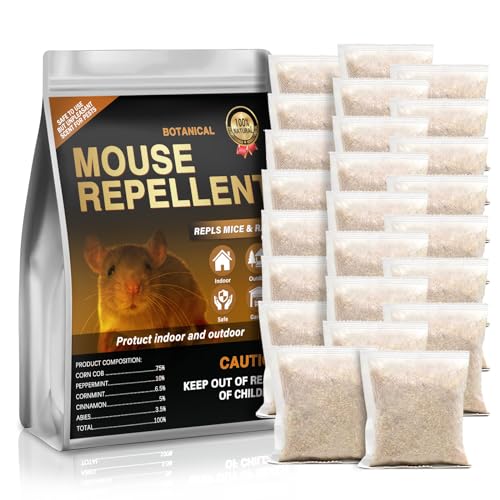
Dark Master’s mouse repellent pouches contain all-natural peppermint oil in breathable bags designed for easy hanging in cabinets, walls, or storage spaces. The product line emphasizes humane deterrence, non-toxicity, and suitability for humans and pets while aiming to keep mice away from kitchens, cars, garages, and attics.
LEBMP Rodent Repellent Indoor

LEBMP’s indoor rodent repellent uses peppermint oil and a packaging design that slowly releases scent for extended protection. It targets common nesting and activity areas such as kitchens, attics, basements, and vehicles. The approach focuses on ease of use, making it suitable for large homes or spaces with multiple potential entry points.
Buying Guide: Key Purchase Considerations
- Active ingredient and safety: Natural repellents rely on essential oils like peppermint, which can be safer around children and pets than chemical repellents. Evaluate the concentration and intended usage areas to match your household needs.
- Application method: Expanding foams create physical barriers, while repellents rely on scent or distaste. Consider whether you need a one-time seal (foam) or ongoing deterrence (repellent pouches, sprays).
- Coverage and duration: Some products claim protection for weeks to months and cover specific square-footage. Assess the size of spaces to be protected (garages, basements, attics, car engines) to ensure adequate coverage.
- Indoor vs outdoor suitability: This guides use cases such as garages, basements, and exterior gaps. Outdoor-friendly options often rebuff weather and require longer-lasting materials.
- Ease of installation: Simple placement—no tools or minimal setup—benefits quick deployment in multiple areas, particularly in homes with many entry points.
- Safety with pets and humans: Prioritize non-toxic formulas where pets or children are present. Read product labels for guidelines on exposure and ventilation.
- Maintenance cadence: Some repellents require periodic replacement or reapplication. Plan for ongoing maintenance if you have persistent rodent pressure.
- Environmental impact: Choose products that minimize chemical runoff and environmental impact, especially around gardens, storage areas, and living spaces.