Finding an effective sealant for a leaky pipe requires considering material compatibility, setting time, and whether you need a flexible or hard seal. The following selections cover PTFE-enriched thread sealants, non-hardening pastes, and PTFE plumber’s tape to help you choose the right option for metal or plastic pipes, hot or cold water, and high-vibration environments. This guide highlights five widely used products from reputable brands to help American homeowners and professionals address leaks efficiently.
Summary Table
| Product | Brand | Type | Key Benefit |
|---|---|---|---|
| RectorSeal T Plus 2 23710 Pipe Thread Sealant | Rectorseal | PTFE-enriched, non-hardening sealant | Flexible, potable water suitable |
| RectorSeal No. 5 25790 Pipe Thread Sealant | Rectorseal | Soft-setting, slow-drying | Lubricates and protects threads, easy breakout |
| VOTMELL 4 Rolls 1/2″ PTFE Plumber’s Tape | VOTMELL | PTFE thread seal tape | Prevents leaks on threaded connections |
| RectorSeal Tru-Blu 31631 Pipe Thread Sealant | Rectorseal | PTFE enriched, fast-dry | Designed for high vibration and thermal cycling |
| RectorSeal T Plus 2 23631 Pipe Thread Sealant | Rectorseal | PTFE enriched, non-hardening | Flexible, potable water sealant for multiple metals |
Note: This article provides objective information on widely used sealants to help you compare options for leaking pipes. Always follow manufacturer instructions and local codes when applying sealants.
RectorSeal T Plus 2 23710 Pipe Thread Sealant
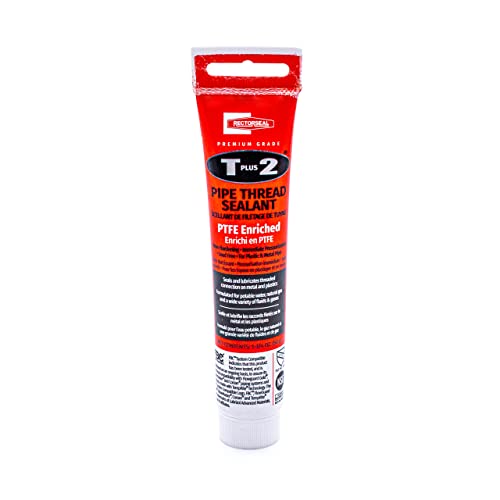
Type: Non-hardening, PTFE enriched pipe thread sealant with added synthetic fibers. It lubricates and seals threaded connections while remaining flexible. Suitable for potable water systems and a broad range of pipe materials. The formula is designed to resist drying out in the container and to maintain a seal under vibration.
RectorSeal No. 5 25790 Pipe Thread Sealant

Type: Soft-setting, slow-drying sealant that lubricates and protects threads. Contains no other metals and allows easy breakout without damaging threads. Suitable for potable water seals and threaded pipe connections where metal additives are to be avoided.
VOTMELL 4 Rolls 1/2″ PTFE Plumber’s Tape
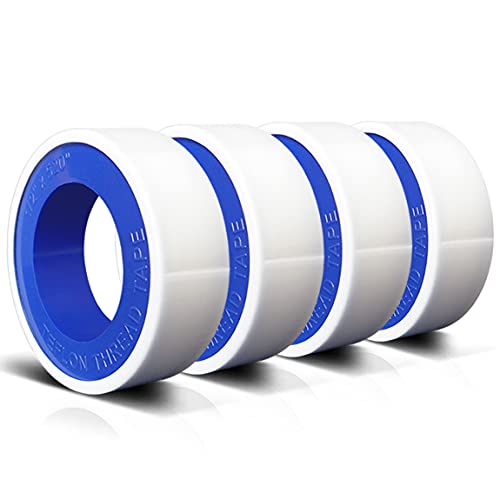
Type: PTFE thread seal tape (Teflon). Each roll measures 1/2 inch by 520 inches, offering multiple uses. Provides a reliable seal on threaded joints, particularly suited for water applications and preventing leaks on pipe threads.
RectorSeal Tru-Blu 31631 Pipe Thread Sealant

Type: PTFE enriched, fast-dry sealant designed for high-vibration environments and thermal expansion/contraction. It provides a quick cure while maintaining flexibility and protecting threads under temperature changes. Suitable for various plumbing installations.
RectorSeal T Plus 2 23631 Pipe Thread Sealant

Type: Non-hardening, PTFE enriched sealant with flexible set. Suitable for plastic and metal pipes including iron and stainless steel. This potable water sealant lubricates and protects threads while remaining usable for hot or cold water systems.
Buying Guide: Key Purchase Considerations
Choosing the right sealant depends on your specific leak scenario. Consider these factors:
- Material compatibility: Metal vs. plastic pipes, and whether the system carries potable water.
- Setting time: Do you need a quick-dry seal or a soft-set product that allows time for adjustments?
- Seal type: PTFE-enriched, non-hardening vs. soft-setting pastes; each offers different flexibility and breakout characteristics.
- Environmental conditions: Temperature, vibration, and thermal cycling affect performance—fast-dry formulas suit high-motion areas; soft-set works well where adjustments are frequent.
- Ease of use: Thicker pastes vs. thread seal tapes; considerations include ease of application in tight spaces.
When selecting, assess whether the priority is long-term leak prevention, ease of disassembly for future maintenance, or compatibility with potable water systems. For multi-material piping and frequent vibration, PTFE-enriched, non-hardening sealants or fast-dry variants are commonly recommended. For simpler, low-pressure joints or where metal-free options are desired, a soft-setting or lead-free alternative may be preferred.
Always follow local codes and manufacturer guidelines for application, cure time, and cleanup. Store sealants in a cool, dry place to maintain shelf life and effectiveness.