Ridge vents play a crucial role in attic ventilation, especially in areas prone to wind driven rain. The right vent helps exhaust hot, moist air while keeping out moisture, pests, and debris. This guide highlights five high-performing ridge vent products and related rain-resistant ventilation solutions, drawing on features like storm protection, weather filters, and sturdy construction. Each option balances airflow with rain defense to support a balanced attic ventilation system.
Summary of chosen products
| Product | Brand | Key Benefit |
|---|---|---|
| 58784 Shingle Ridge Vent, 11-1/4″, Black | Trimline | Storm stop technology with soffit intake |
| CertainTeed 12in. Filtered Ridge Vent (Carton of 10) | CertainTeed | Internal weather filter, wind driven rain resistance |
| 58785 Shingle Ridge Vent, 9″ x 20′, Black | QUARRIX BUILDING PRODUCTS | Continuous ventilation with storm protection |
| Lomanco Omni Pro Shingle Over Ridge Vent | Lomanco | Weatherproof joints, wide net free area |
| Pangda 49.2 Ft Ridge Vent Mesh Filter Roll | Pangda | Activated carbon layer for odor control without impeding airflow |
58784 Shingle Ridge Vent, 11-1/4″, Black

The 58784 Ridge Vent from Trimline provides continuous ventilation while blocking wind driven rain, snow, and dust. It draws fresh air from soffit vents and exhausts hot, moist air along the ridge line to maintain a balanced system. A patented storm stop technology helps keep rain out without requiring a separate baffle, making it well-suited for exposed rooflines.
CertainTeed 12in. Filtered Ridge Vent (Carton of 10 Pieces)

CertainTeed’s 12-inch ridge vent features an internal weather filter designed to repel wind driven rain while maintaining airflow. It is sold in cartons of ten and is free of nails, focusing on a streamlined installation alongside a weather-resistant design that helps prevent moisture intrusion during heavy rain events.
58785 Shingle Ridge Vent, 9″ x 20′, Black

QUARRIX BUILDING PRODUCTS’ 9″ x 20′ ridge vent offers continuous ventilation while safeguarding against wind driven rain and snow. It channels air from soffits and exhausts through the ridge to create a balanced system. The design features patented storm stop technology to minimize rain intrusion without requiring a separate baffle.
Lomanco Omni Pro Shingle Over Ridge Vent

Lomanco’s Omni Pro Shingle Over Ridge Vent emphasizes weatherproof joints and a high net free area per linear foot. It is designed to be shingle-over, providing a seamless appearance with reinforced nail lines to help maintain integrity under wind-driven conditions. The product focuses on efficient exhaust while resisting moisture intrusion at the ridge connection.
Pangda 49.2 Ft Ridge Vent Mesh Filter Roll
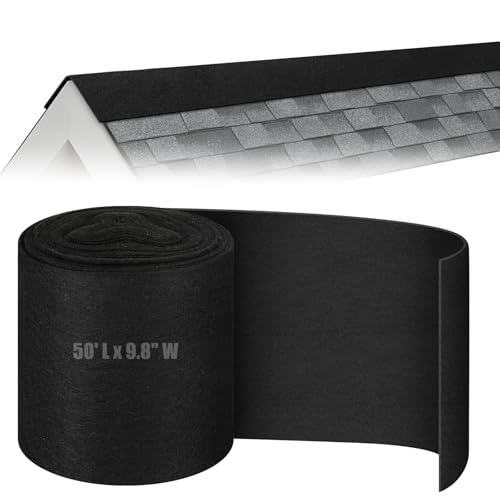
Pangda’s long mesh roll spans about 49.2 feet and includes a flexible design for easy trimming. A built-in activated carbon layer helps to neutralize odors and block pollen and dust, while a reinforced metal backing prevents sagging. This option aims to preserve attic airflow while reducing musty smells and debris ingress, even in rain-prone regions.
Additional options
The list above includes products that focus on wind driven rain resistance, better filtration, and maintenance of airflow. For installations where insects or debris through the ridge are a concern, consider models offering weather filters and storm-stop features. When choosing a ridge vent, assess the roof type, attic space, climate, and local wind patterns to balance ventilation efficiency with rain protection.
Buying Guide: Key Considerations And Comparisons
Ventilation performance: Look for ridge vents designed to maximize net free air area per linear foot. Greater airflow helps remove heat and moisture effectively, which reduces the risk of condensation and mold growth.
Rain and weather resistance: Storm stop features, internal weather filters, and sealed joints help prevent wind driven rain from entering the attic. Materials should resist warping and corrosion in humid climates.
Installation compatibility: Some vents are designed for shingle-over installations, while others require direct ridge mounting or compatibility with soffit intake. Consider nails, screws, and necessary prep work in your project plan.
Filtration and odor control: Activated carbon layers and internal filters can reduce odors and pollen ingress. This is particularly valuable in regions with high pollen counts or near industrial areas.
Durability and warranty: Stable construction, UV resistance, and robust nail lines contribute to long-term performance. A durable ridge vent reduces maintenance needs and extends roof life.
Maintenance needs: Some vents are easier to inspect and clean, with accessible filters or removable elements. Consider how often you’ll check for blockages and debris.
Cost and availability: Compare carton sizes, rolls, and bundles that fit your project scale. Bulk orders may reduce unit cost, but ensure you buy enough material for future maintenance or expansion.
Compatibility with roof decking and underlayment: Ensure the vent chosen works with your roof type, shingle style, and underlayment to prevent gaps and ensure proper sealing.
Note: This guide focuses on wind driven rain resistance and ventilation performance. Always follow manufacturer installation instructions and local building codes for best results.