Choosing the right resin tank or resin for a water softener can improve efficiency, longevity, and water softness. This guide highlights five strong options available on Amazon, spanning classic cation resins to compatible mineral tanks. Each entry notes key features, compatibility, and what to consider when upgrading or replacing your system. The selections aim to balance capacity, durability, and maintenance needs for typical American homes.
Summary of chosen products:
| Product | Brand | Type | Key Benefit |
|---|---|---|---|
| Purolite C-100E Cationic Resin Replacement | DuraWater | Cation Resin | Efficient regeneration, low extractables |
| Purolite An Ecolab Company C100E Resin | PUROLITE | Cation Resin | Reliable softening performance |
| Brio Water Softner Resin Refill | Brio | Cation Resin | High durability, 48,000 grain capacity |
| Aldex C800x10 10% Crosslinked Resin | Affordablewater.us | Cation Resin | High capacity, efficient regeneration |
| ABCwaters SOFRES1 Resin | AFWFilters | Resin | High capacity, popular Indion option |
Purolite C-100E Cationic Resin Replacement

The Purolite C-100E resin is a cationic exchange resin designed for residential water softening. Features include efficient regeneration cycles, favorable kinetic performance, and low extractables, which can contribute to consistent resin activity and cleaner water output. This option is suitable for replacement in many standard softener systems that rely on high-quality cation resin. Consider its compatibility with your control head, tank size, and service level when upgrading.
10″ x 54″ Resin Tank Replacement

This resin tank measures 10″ x 54″ and fits 48K water softeners or 1.5 cu. ft. backwashing filters. It includes a black base and standard 2.5″ opening to accept most control heads. While the tank body provides the housing for resin, ensure your current system’s head and connectors align with these dimensions. It’s a solid option for standard residential applications requiring a durable, compliant tank replacement.
Purolite An Ecolab Company C100E Resin

Another Purolite C100E option, this resin is positioned for dependable softening with a focus on potable water safety. It emphasizes robust hardness removal with consistent exchange performance and a track record in both industrial and residential contexts. When selecting a resin, compare cycle times, regeneration frequency, and cross-linkage level to your household hardness profile and brine efficiency goals.
Brio Resin Refill For Water Softeners
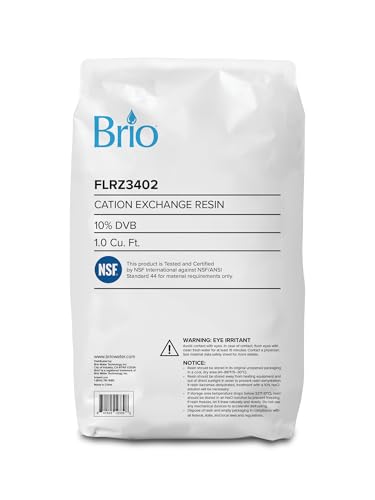
Brio’s resin refill emphasizes premium quality with 10% cross-linked DVB resin construction, designed to resist chlorine-induced degradation and deliver substantial grain capacity. The 1 cubic foot bag fits many standard tanks and is NSF/ANSI Standard 44 certified for material requirements. This option is aimed at households facing hard water with chlorine or iron concerns, offering long-term resin resilience and effective hardness removal.
Aldex C800x10 Resin
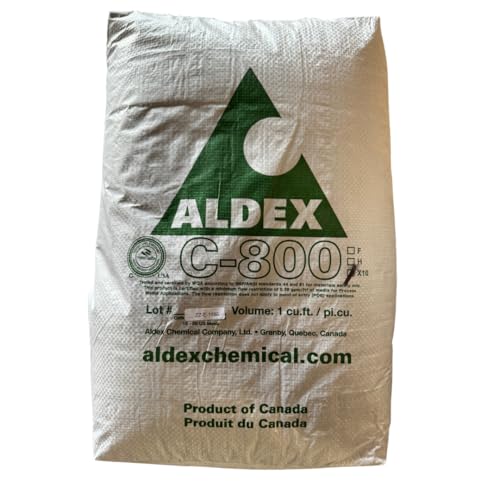
Aldex C800x10 resin offers 10% cross-linked, high-capacity performance. With 30,000 grains of softening capacity per cubic foot under recommended brine use, this resin supports efficient regeneration and lower operating costs. It’s WQA-tested and NSF 61 compliant, making it a suitable choice for households prioritizing long-term reliability and compliance with water treatment standards.
Buying Guide
- Resin type: Most residential systems rely on strong acid cation (SAC) resins. Confirm the resin type matches your softener’s design and the control head’s compatibility.
- Cross-linking: Higher cross-linking (e.g., 10%) yields better resistance to chlorine and iron fouling and often longer life. Balance cost with expected lifespan in your water conditions.
- Grain capacity: Look for resin or resin tanks that meet your household hardness and water volume. Higher capacity reduces regeneration frequency and salt use, but may require larger vessels.
- Tank compatibility: Verify that the resin tank or replacement fits your current system’s opening, base, and head connections. Standard 2.5″ openings are common, but verify yours.
- Certifications: NSF/ANSI standards indicate compliance for safety and performance. Consider products with recognized certifications that align with your local regulations.
- Maintenance considerations: Some resins are easier to clean or restore (via resin cleaners) if fouling occurs. Plan maintenance in your water-softening routine.
- Service life and warranty: Compare expected resin lifespans and available warranties to gauge total cost of ownership over years of use.
- Water quality goals: If your water has high iron, manganese, or chlorine, choose resins with enhanced fouling resistance and consider pre-filtration where appropriate.
The selections above cover a range of capacities, tank formats, and resin formulations to help American homes optimize softening performance while maintaining system longevity. When upgrading, consult your system’s manual or a professional to confirm compatibility and best practices for regeneration efficiency and resin care.