Choosing the right red light lamp can support melatonin production, ease sleep onset, and create a calming bedtime environment. The following hand-picked picks combine clinically informed wavelengths, user-friendly controls, and safe designs for adults and kids alike. Explore five reputable options that balance soothing red light with practical features for bedrooms or nurseries.
| Product | Brand | Key Benefit |
|---|---|---|
| 670nm Red Light Therapy Sleep Device & 10,000 Lux Sun Lamp | EVATEALE | Dual-function sleep aid and daylight therapy |
| Neporal 670nm Red Light Lamp | Neporal | Blue light blocking for faster, deeper sleep |
| Helight Red Light Therapy Sleep Device | Helight | Pure 630nm red light with NASA-inspired protocol |
| Red Light Night Light Lamp 670nm (Cutiskrave) | Cutiskrave | Multi-mode with timers and USB charging |
| Aoife 670nm Red Light Night Light Desk Lamp | Aoife | 4 lighting modes with remote control |
670nm Red Light Sleep Device & 10,000 Lux Sun Lamp
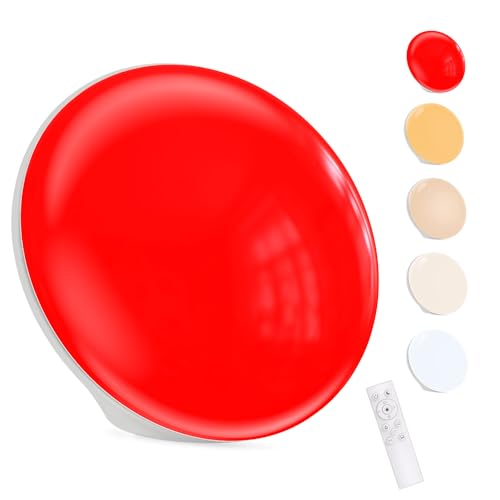
EVATEALE combines red light therapy with daylight-like illumination. The 670nm red light is designed to support melatonin production and natural sleep cycles, while the 10,000 lux full-spectrum daylight mode helps with daytime energy and circadian alignment. The lamp offers a smart dimming system with five brightness levels and four white color temperature options, enabling relaxation lighting for evenings or brighter light for reading. This dual-function unit serves as a bedroom night light and a desk sun lamp, making it a versatile addition to a sleep-positive routine.
The product pairs a 670nm red night light with a spectrum of white temperatures: 3000K warm, 4500K natural white, 5500K cool white, and 6500K daylight. A touch control plus remote control ensure quick adjustments while preserving a calm sleep environment. The design emphasizes a gentle approach to lighting, aiming to minimize blue light impact at night and support daytime alertness when needed.
In practice, the device can shorten sleep onset for some users and create a soothing pre-sleep ambiance. Families may appreciate the red light’s non-disruptive glow for bedtime routines. The 10,000 lux daylight mode is suitable for a study corner or home office, balancing relaxation with productivity during daytime hours.
Neporal 670nm Red Light for Sleep

Neporal emphasizes blue light blocking with a 670nm red light spectrum designed to promote melatonin and faster, deeper sleep. The lamp blocks blue and green wavelengths, delivering a sunset-like glow that users report helps with bedtime routines for both adults and children. A four-stage auto-off timer (15/30/60/90 minutes) reduces sleep disturbances, while 10%–100% dimming via remote or touch control provides flexible mood settings. The diffuser ensures an even, flicker-free glow with strong color rendering for comfortable nighttime viewing.
With memory function and high transmittance diffusion, this lamp supports calm, consistent lighting in nurseries or bedrooms. The emphasis on circadian alignment makes it a practical pick for households seeking science-backed sleep support without strong or harsh lighting before bed.
Helight Red Light Therapy Sleep Device

Helight offers a focused 630nm red-light protocol designed to aid deeper sleep. The device emphasizes a simple setup: switch on before bed, follow a 28-minute cycle, and rely on a cooldown-free experience as lights fade. The red light is described as naturally relaxing, potentially helping users fall asleep faster and enjoy a more restorative night. NASA-inspired research underpins the approach, though individual adaptation may vary, with improvements continuing over a few weeks for some users.
The kit targets a natural approach to sleep, reducing exposure to blue light by using narrow-band red light. It is positioned as a straightforward, science-backed option for adults and children who benefit from a calm, dim bedtime environment without disruptive lighting. Regular use within a consistent sleep routine may support more stable sleep patterns over time.
Red Light Night Light Lamp for Sleep (Cutiskrave)
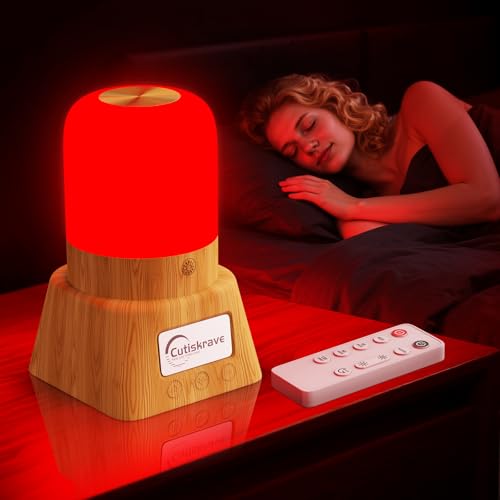
Cutiskrave’s red light lamp emphasizes a 670nm spectrum designed to avoid melatonin suppression while delivering a soothing nightlight. The product supports versatile lighting options with adjustable brightness and multi-mode settings, including warm white modes for reading or relaxing. A USB charging port and a timer function (30, 60, 120 minutes) are practical touches for bedtime routines or travel use, helping to minimize disruptions during the night while supporting relaxed, ambient lighting for restorative environments.
The lamp’s design balances aesthetics with function, making it suitable as a bedside companion for adults and as a comforting nightlight for children. The absence of harsh blue light contributes to a calm atmosphere that aligns with circadian rhythms, while the timer feature helps automate sleep-friendly lighting through the night.
Aoife Red Light Night Light Desk Lamp (670nm)

Aoife’s 670nm lamp is designed for a versatile sleep-supporting environment with four color modes and varied brightness levels. The 670nm red light aims to avoid melatonin suppression while providing a soothing glow suitable for adults and children during evening routines. The lamp includes a remote control and updated touch buttons for quick adjustments, making it easy to tailor lighting for bedtime reading or winding down. Its design emphasizes calm, non-disruptive lighting that supports natural sleep onset and a comfortable nighttime atmosphere.
Along with the red light mode, the 2700K–6000K color spectrum options offer flexibility for reading, relaxation, or general ambient lighting. The remote control and tactile controls streamline operation from a bed or a chair, helping to maintain a consistent sleep-friendly environment without waking others in the room.
Buying Guide: Key Purchase Considerations And Comparisons
When selecting a red light lamp for sleep, consider wavelength precision, blue-light exposure, intensity, timer options, and ease of use. Red light around 630–670nm is commonly recommended for sleep support, but the exact spectrum can influence melatonin response and comfort. Look for devices that minimize blue or green wavelengths at night to protect circadian rhythm.
Light intensity is important: higher lux levels can provide more mood uplift during daytime use, but at night, a lower, adjustable brightness is usually preferable. Dimmable options with memory functions help maintain consistency across nights. Timers (15–120 minutes) reduce disturbances and ensure the device powers down automatically.
Usability aspects matter: remote controls, touch panels, and smartphone integration can simplify operation, especially in bedrooms or nurseries. Consider whether a lamp doubles as a daytime light or a desk lamp, which can justify space and cost. Durability, size, and aesthetics should align with room design and safety needs for children.
Safety and health considerations include shadow-free diffusion, flicker-free operation, and certifications if available. If you have specific sleep challenges, such as circadian misalignment or light sensitivity, prefer models with adjustable spectrum and brightness steps. Finally, verify compatibility with other sleep aids or routines you may use, such as blackout curtains or white-noise machines, to maximize the potential sleep benefits.