Choosing a well pressure tank involves balancing durability, compatibility, and how well the tank maintains steady water pressure when the pump cycles on and off. The following five tanks are highly rated for residential use, offering features such as robust steel shells, durable diaphragms, and NSF/ANSI certifications where applicable. This guide highlights key strengths, common setups, and what to consider when selecting the right model for your home’s water system.
| Product | Brand | Capacity | Key Features |
|---|---|---|---|
| Red Lion RL34A 34-Gallon | Red Lion | 34 gal | |
| WaterWorker HT-30B | Water Worker | 30 gal (26 gal capacity) | |
| Amtrol WX-203 Well-X-Trol | Amtrol | Various, 3/4″ connections | |
| Amtrol WX-202 Well Pressure Tank | Amtrol | 20 gal | |
| Red Lion RL6AH 6-Gallon | Red Lion | 6 gal |
Red Lion RL34A 34-Gallon Vertical Tank

The RL34A is a vertical, pre-charged pressure tank designed to stabilize water pressure when a well pump is idle. It uses a heavy-duty 20-gauge steel shell and a 304 stainless steel water connection with leak-safe technology. The internal diaphragm is a high-performance butyl rubber type, complemented by a propylene liner for durability. It ships pre-charged at 20 PSI and requires topping off with a bicycle pump to a pressure just below the switch cut-in setting. Suitable for standard residential systems that demand consistent pressure while minimizing pump cycling.
WaterWorker HT-30B Vertical Pressure Tank

The HT-30B from Water Worker is a vertical tank with a 30-gallon nominal size and a 26-gallon working capacity. It is NSF-listed under ANSI/NSF Std 61, and features a seamless butyl diaphragm less prone to creasing. The polypropylene liner won’t peel or impart tastes or odors to water, supporting safer domestic use. This model emphasizes reliability and water quality, making it a solid option for homeowners seeking longevity and clean-tasting water.
Amtrol WX-203 Well-X-Trol Stand Tank

The WX-203 features a high-strength steel shell and a virgin polypropylene inner liner that resists cracking, chipping, or peeling. The steel system connection handles aggressive water conditions, while the durable diaphragm design supports long-term pressure stability. This model is well-regarded for residential systems that require robust performance and reliable cycling through many years of use.
Amtrol WX-202 Well Pressure Tank
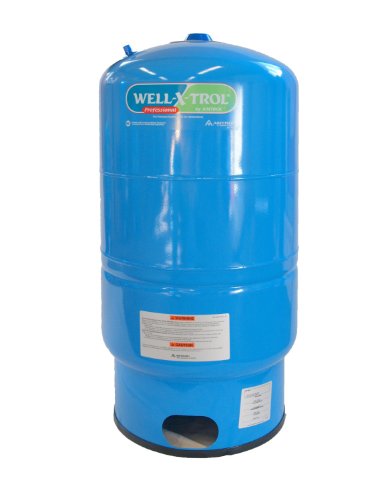
The WX-202 uses a high-strength steel shell with a virgin polypropylene inner liner that resists cracking or flaking. A unique positive hoop ring seal secures the diaphragm and liner, adding strength under pressure fluctuations. This design supports consistent performance in homes with standard well pumps and offers a reliable balance of durability and cost.
Amtrol WX 202 Well-X-Trol (20 Gal)

This 20-gallon variation is prepped for quick installation with a factory pre-charged setting of 38 PSI. It features a 1″ NPT system connection and is rated for up to 200°F, making it suitable for a range of home water systems. The combination of steel, diaphragm, and liner is designed to deliver dependable service with minimal maintenance.
Buying Guide: Key Considerations When Choosing a Well Pressure Tank
- Tank size and capacity: Match tank volume to your well pump flow, household water use, and desired drawdown. Larger tanks reduce pump cycling but require more space.
- Pre-charge and switch settings: Ensure the tank’s pre-charge pressure aligns with your pressure switch settings to prevent short cycling and maintain steady pressure.
- Diaphragm vs bladder: Bladderless or diaphragm designs affect maintenance needs and water purity. Seamless diaphragms reduce creasing and improve durability.
- Material durability: Look for a steel shell, corrosion-resistant connections, and a liner that resists cracking, chipping, or imparting tastes to water.
- NSF/ANSI certifications: For drinking water safety, certifications such as NSF/ANSI 61/372 indicate compliance with health and safety standards.
- Connection size and compatibility: Verify 1″ NPT or 3/4″ MNPT connections and ensure compatibility with existing plumbing and pumps.
- Temperature and pressure ratings: Check max operating pressure and temperature ranges to match your well system and climate.
- Maintenance considerations: Diaphragm durability, ease of replacement, and availability of spare parts influence long-term costs.
- Warranty and support: Longer warranties generally reflect manufacturer confidence and provide peace of mind for homeowners.
- System integration: Consider how the tank pairs with your pump, pressure switch, and overall water system layout for best performance.