Radiant barrier materials are designed to reflect radiant heat away from living spaces, helping to reduce cooling and heating costs. This guide reviews top options and what to consider when selecting a barrier for attics, walls, or SCIF environments. Each entry includes a quick overview, key features, and practical installation notes to help with a confident purchase decision.
Summary Of Selected Products
| Product | Brand | Highlights |
|---|---|---|
| Houseables Radiant Barrier Roll | Houseables | Over 1,000 sq ft; >97% reflective; double-sided; easy cut |
| EcoFoil Ultra NT Solid SCIF | EcoFoil | SCIF RF shielding; tear-proof; easy install |
| SmartSHIELD -3mm 48in x 100ft | INSULATION MARKETPLACE | Foam core; reflective foil; vapor barrier |
| US Energy Products Radiant Barrier 1000 sqft | AES | High reflectivity; durable; easy to handle |
| RadiantGUARD Radiant Barrier Roll | RadiantGUARD | Commercial grade; blocks 95% heat transfer; DIY friendly |
Below you will find five closely related products with concise details to help you compare options side by side and choose the best fit for your project.
Houseables Radiant Barrier Roll For Attics

The Houseables radiant barrier roll provides a high-reflectivity solution designed for attic insulation projects. Each roll measures 250 feet by four feet, totaling 1,000 square feet per roll. The foil is double-sided, tear-resistant, and designed to withstand heavy handling during installation. Reflectivity exceeds 97%, reflecting radiant heat rather than absorbing it. It’s lightweight and easy to cut with standard utility scissors, and does not rely on special tools or protective equipment for installation. This product is non-toxic and resistant to humidity, helping to minimize maintenance after installation.
Key considerations: suitable for new or existing structures; applicable in climates where radiant heat reduction can affect cooling costs. While it offers strong reflectivity, installation may require careful sealing and, in some cases, a secondary barrier to address moisture management. For best results, combine with proper attic ventilation and a ventilated roof deck to maximize energy savings.
EcoFoil Ultra NT Solid SCIF Radiant Barrier

EcoFoil Ultra NT Solid SCIF Radiant Barrier is tailored for sensitive environments that require RF shielding. The barrier combines woven polyethylene with dual aluminum foil surfaces to create a tear-resistant, RF-attenuating layer. It is designed for applications like SCIFs and other RF-sensitive facilities where protection from external electromagnetic interference is critical. The material is lightweight and cuts easily, with sealed seams using SCIF tape to ensure an effective barrier. This option emphasizes RF security in addition to standard radiant reflection properties.
Key considerations: ideal for spaces demanding RF attenuation, such as secure data rooms or sensitive equipment enclosures. It offers durability and straightforward installation, but users should plan for proper seam sealing to maintain RF integrity. In typical residential applications, this product is often adopted for enhanced shielding rather than solely for attic temperature control.
SmartSHIELD -3mm 16inx10Ft Reflective Insulation Roll
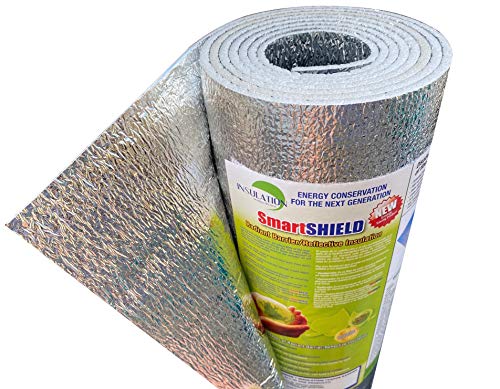
This 3mm foam-core radiant barrier from INSULATION MARKETPLACE includes a closed-cell polyethylene foam core sandwiched between reflective foil layers. The combination yields a robust, easy-to-cut insulation solution with good reflective properties. The product acts as both a radiant barrier and a moisture/vapor barrier, expanding its suitability for both indoor and outdoor applications. The foam core enhances rigidity, while the foil layers provide the reflective surface necessary to minimize radiant heat gain and loss.
Key considerations: offers a compact footprint for small-to-medium installations and provides dual benefits (radiant reflection and vapor control). Cut with standard tools and install with compatible sealing materials. Suitable for areas where a rigid, tear-resistant, and moisture-tolerant barrier is desired, though larger-area installations may benefit from longer rolls or multiple configurations.
SmartSHIELD -3mm 48in x 100ft Roll Radiant Barrier

This 3mm-thick SmartSHIELD roll is designed for larger attic installations, delivering near-95% radiant energy reflection. The product leverages a closed-cell foam core buffered by highly reflective foil layers on both sides. It is marketed as a cost-effective, durable solution that also provides moisture mitigation. The wide 48-inch width helps cover broader spans with fewer seams, simplifying installation in larger attic spaces. The foam core contributes to added stiffness for handling during installation.
Key considerations: practical for extended attics or walls with wide spans; ensure proper sealing to prevent vapor intrusion. While the reflective performance is strong, verify compatibility with existing insulation configurations and local building codes for your region.
AES Radiant Barrier Insulation Roll 1000 Sq Ft
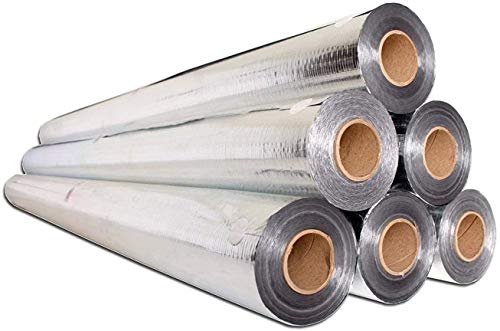
AES’s Radiant Barrier Insulation offers a 1,000-square-foot roll with high reflectivity and double-sided foil to resist radiant heat. It emphasizes a balance between durability and ease of installation, with a focus on reducing summer cooling loads. The barrier is described as tear-resistant and lightweight, designed to withstand handling during installation. It is non-toxic and resists humidity effects, making it suitable for both new and existing buildings. The roll’s size provides a practical option for mid-to-large attic projects.
Key considerations: ideal for homeowners seeking a straightforward attic upgrade with significant reflectivity. Consider local climate and ventilation, as radiant barriers perform best when combined with proper airflow. The product’s resilience helps it remain effective over time, reducing the likelihood of performance degradation due to tearing or wrinkling.
RadiantGUARD Xtreme Attic Barrier Roll

RadiantGUARD offers a heavy-duty radiant barrier roll designed to reduce attic heat gain and minimize cooling loads. The product emphasizes commercial-grade construction and a higher weight compared to some competitors, resulting in enhanced durability. It claims substantial temperature reductions within the attic, with manufacturer notes suggesting significant attic temperature drops and potential energy savings. The DIY-friendly design enables stapling to the underside of attic roof rafters. A holistic installation approach may include applying barrier to exterior walls in the attic for comprehensive coverage.
Key considerations: high durability and potential for notable energy savings. Consider the need for multiple rolls to cover larger attic spaces and ensure proper installation around obstructions. For best results, combine with air sealing and insulation upgrades as part of a broader attic retrofit strategy.
Buying Guide: Key Purchase Considerations And Comparisons
- Reflectivity and heat transfer: Look for products with high reflective values (often >95%) to maximize radiant heat rejection. Double-sided foils can provide superior performance by reflecting heat from both sides.
- Perforation and moisture handling: Perforated barriers allow vapor movement, which can be important in humid climates. If moisture is a concern, choose products that include vapor barriers or are specifically designed to resist humidity.
- RF shielding needs: For spaces requiring RF attenuation (SCIFs or sensitive electronics areas), consider products like EcoFoil Ultra NT, which advertise RF shielding capabilities in addition to radiant reflection.
- Installation practicality: Consider roll width and length to minimize seams. Wider rolls reduce seam counts but may be heavier. Ensure you have appropriate staples, tapes, and tools for sealing seams and joints.
- Durability and maintenance: Tear resistance and durability matter for long-term performance, especially in attics where movement and temperature fluctuations occur.
- Climate alignment: In hot climates, radiant barriers can offer noticeable cooling benefits, particularly when combined with good attic ventilation and insulation. In colder regions, consider how the barrier complements insulation and air sealing rather than relying on radiant heat alone.
- Code and safety compliance: Check local building codes for radiant barrier installations, particularly for commercial or SCIF environments where RF shielding and fire safety certifications may apply.
- Cost-to-benefit: Compare the upfront material cost to expected energy savings and potential maintenance needs. Heavier, more durable options often justify higher upfront costs in demanding installations.