Choosing the right primer to cover soot stains is essential for a durable, long-lasting finish. This guide highlights top oil-based primers designed to block smoke and water stains, seal porous surfaces, and provide a solid base for paint. We focus on products that offer high hiding power, fast drying, and easy sanding to help you achieve a uniform look whether you’re renovating a wall, ceiling, or wood surface.
| Product | Brand | Key Benefit |
|---|---|---|
| Zinsser 3608 Cover Stain Oil Base Primer Spray | Zinsser | Great adhesion; blocks stains; no sanding required |
| Rust-Oleum 3554 Zinsser High Hide Cover Stain Primer | Zinsser | High-hiding; seals exterior wood; tannin bleed blocker |
| Zinsser Cover Stain Oil Based Primer | Zinsser | Excellent stain blocking; sands easily; interior/exterior use |
| Zinsser Cover Stain Turbo Primer Spray | Zinsser | Fast-drying; large projects; blocks water and smoke stains |
Introduction note: The products below were selected for their proven performance on soot and smoke stains, with a focus on oil-based primers that provide superior stain blocking, tannin bleed prevention, and adhesion to challenging surfaces. Each entry includes a direct link to Amazon for quick access, plus key features to help you compare quickly.
Zinsser 3608 Cover Stain Spray Primer

The Zinsser 3608 Cover Stain is a versatile spray primer designed for both interior and exterior surfaces. It offers strong stain blocking, including smoke and water stains, and provides excellent adhesion to multiple substrates. The formula is oil-based and typically does not require sanding, helping you speed up prep work on walls, ceilings, and wood surfaces. It also helps prevent tannin bleed when working with knotty wood or fresh masonry, making it suitable for challenging projects where soot is present.
Rust-Oleum 3554 Zinsser High Hide Cover Stain Primer

High Hide Cover Stain Primer provides strong hiding power for interior and exterior projects. It is formulated to seal cured drywall, wood, metal, and concrete while blocking dark colors and tannin bleed. The oil-based formula dries to touch in about 35 minutes and covers up to 100 square feet per can. This product is suitable for smoking-affected areas where a solid base is needed before painting, ensuring fewer coats and improved final appearance.
Zinsser Cover Stain Oil Based Primer
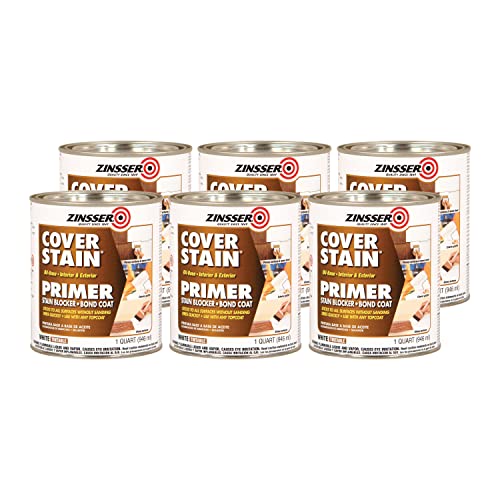
This classic oil-based primer from Zinsser offers a high-hiding formula that blocks most stains, including water, smoke, and nicotine. It bonds well to interior and exterior surfaces and sands easily for a smooth topcoat. Dries to the touch in about 30 minutes and covers roughly 100–112 square feet per quart, making it a reliable choice for walls, ceilings, or wood paneling affected by soot.
Zinsser Cover Stain Turbo Primer Spray

The Turbo Primer Spray is designed for medium and large interior or exterior projects, including wood, concrete, drywall, and non-galvanized metals. It blocks water and smoke stains and seals porous surfaces while drying to the touch in about 15 minutes. Coverage is up to 20 square feet per can, making it ideal for rapid priming of larger soot-affected areas, with easy recoat potential for subsequent paint layers.
Buying Guide: Key Considerations For Choosing A Soot-Blocking Primer
When selecting a primer to cover soot, consider the surface type, stain intensity, and project scale. Oil-based primers generally offer superior stain blocking and tannin bleed prevention, but they may require ventilation and longer cleanup. Water-based alternatives exist but can struggle with heavy smoke stains. Here are important factors to weigh:
- Stain blocking power: Look for primers specifically labeled for smoke, water, nicotine, or tannin bleed. Higher hiding pigments reduce visible stain through coats.
- Surface compatibility: Ensure the primer adheres to the substrate (drywall, wood, metal, concrete) and is suitable for interior or exterior use as needed.
- Drying time and recoat window: Shorter dry times speed up projects, but ensure adequate tack-free times to avoid bond issues with topcoats.
- Application method: Spray primers work well for large or intricate areas, while traditional cans are versatile for spot priming and touch-ups.
- Sanding and finish: Some primers claim no sanding required; others sand easily for a smoother topcoat. Consider finish needs and subsequent paint types.
- Ventilation and cleanup: Oil-based primers require solvents for cleanup and proper ventilation. Water-based options reduce odors and cleanup needs.
- Projection scale: For entire rooms or multiple walls, a turbo or high-hide formula can reduce coats and save time, whereas spot-priming with a standard formula may be sufficient for smaller areas.
- Environmental and safety notes: Select low-VOC formulations when air quality is a concern, especially indoors.
In practice, pair a high-hide, stain-blocking primer with a compatible topcoat for best results. For soot-heavy areas, prioritize products with proven tannin bleed resistance and strong adhesion. Always follow label directions for surface preparation, drying times, and safety precautions to achieve a durable, even finish.