Choosing the right primer is crucial when installing tile floors. A good primer improves adhesion, seals porous surfaces, and minimizes the risk of lippage or cracks after tiling. This article highlights top primers that are suitable for various tile substrates—from concrete and plywood to existing non-porous surfaces. We compare application ease, drying times, VOC considerations, and how each primer supports reliable tile bonds. Below is a quick summary of five highly compatible products to consider for your next tile flooring project.
| Product | Brand | Type | Best For | Key Benefit |
|---|---|---|---|---|
| FloorPops FPP4182W Peel Stick Tile Primer | FloorPops | Latex Floor Primer | Peel-and-stick tiles, sound substrates | Full-strength formula, ready-to-use |
| Stone Coat Countertops Bonding Primer & Sealer | Stone Coat Countertops | Bonding Primer & Sealer | Laminate, tile, stone for epoxy projects | Strong adhesion, low odor |
| 564 Floor Pro Underlayment Primer | WW Henry | Underlayment Primer | Underlayment prep in US-made product | Domestic production |
| Ardex P4 Pre-mixed Primer | Ardex | Pre-mixed Primer | Interior/exterior tile and stone underlayments | Dries quickly, clearly identifies primed areas |
| Ardex P 82 Ultra Prime | Ardex | Two-Component Primer | Non-absorbent substrates, heavy-duty bonds | Fast-drying, solvent-free |
FloorPops FPP4182W Peel Stick Tile Primer
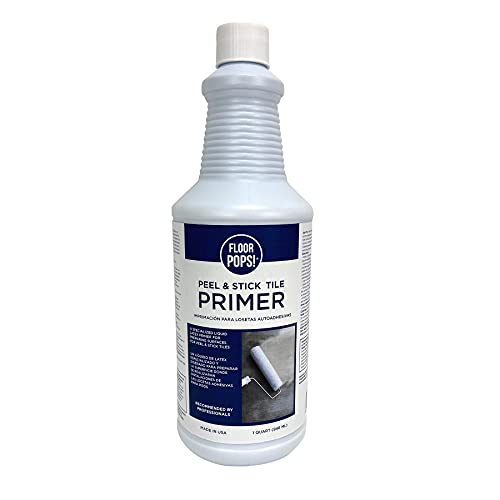
FloorPops FPP4182W is a latex-based primer designed specifically for peel-and-stick tile installations. The substrate should be sound, dry, clean, and free of contaminants for best results. The product is used at full strength and should not be diluted, making application straightforward for homeowners and pros alike. It helps create a stable bonding surface on various floor substrates, including the typical surfaces encountered under peel-and-stick tile installations. Given its consumer-friendly approach, it’s a popular choice when tile sheets are adhered directly to prepared floors.
Key considerations: Ensure the surface is free from dust, oils, or sealers that could inhibit adhesion. Since the primer is applied at full strength, maintenance of a clean working area matters. This primer is ideal when the goal is rapid, simple prep before tile installation without the complexity of multi-step systems.
Stone Coat Countertops Bonding Primer and Sealer

This Stone Coat Countertops primer and sealer is designed to create a durable bond on slick surfaces such as laminate, tile, granite, quartz, and solid surfaces—perfect when preparing for epoxy countertop or flooring projects that involve tile systems integrated with epoxy. The formula offers improved adhesion and acts as a sealer, promoting a stable base for subsequent mortars, leveling compounds, or adhesive layers. Its low-odor, low-VOC profile makes it suitable for indoor environments, supporting healthier indoor air during application and curing.
Important notes: This primer is positioned as an upgraded alternative to older prep products, focusing on reliability for professional results. While it’s excellent for epoxy-ready surfaces, verify compatibility with your specific tile and underlayment system before use to ensure optimal performance.
564 Floor Pro Underlayment Primer

WW Henry’s 564 Floor Pro Underlayment Primer is marketed as a US-made option for underlayment prep. While the listing emphasizes domestic production, it also positions the primer as a foundational step in establishing a suitable surface for tile or leveling products. The underlayment primer category typically focuses on improving bond strength between subfloors and subsequent underlayment layers, contributing to a uniform surface for tile installation. Consider this primer when your project requires robust underlayment compatibility and a trusted, domestic manufacturing footprint.
Practical guidance: Confirm substrate compatibility (concrete, plywood, or existing floors), ensure full curing before tiling, and align with your chosen mortar or leveling compound. This primer is best used as part of a broader sequencing plan for tile floor installations needing solid subfloor prep.
Ardex P4 Pre-mixed Primer

Ardex P4 is a versatile pre-mixed primer designed for use before tile and stone installation systems, including self-leveling underlayments. It dries quickly, identifying primed areas clearly with its white color. The drip/splash-free consistency minimizes accidental spills, making it suitable for both commercial and residential projects. It can be used over common substrates such as concrete, plywood, gypsum plasterboard, and AAC, providing a reliable foundation for tile mortars and adhesives. Its rapid dry time helps shorten installation windows for busy schedules.
Considerations: Ideal for projects where fast turnaround is essential. Ensure proper ventilation and follow Ardex guidelines for substrate preparation to maximize adhesion and durability of the tile installation.
Ardex P 82 Ultra Prime

Ardex P 82 Ultra Prime is a high-performance two-component primer designed for concrete floors and non-absorbent substrates, making it well-suited for tile, stone, terrazzo, metal deck applications, and more. This kit contains two pails per 0.5 gallon unit, providing a robust bonding layer that supports tile mortars and leveling compounds. It’s fast-drying and solvent-free, aligning with modern sustainability and indoor air quality goals. The two-component system enhances adhesion on challenging substrates and surfaces, helping minimize debonding risks on complex floor installations.
Usage guidance: Follow the kit’s mixing ratios precisely, adhere to substrate preparation requirements, and plan for a complete cure before tiling. This primer is particularly advantageous on non-porous substrates where adhesion is critical for long-term tile performance.
Buying Guide: Key Considerations For Tile Floor Primers
- Substrate compatibility: Concrete, plywood, ceramic, existing coatings, epoxy, and non-absorbent surfaces require different primer chemistries. Verify substrate type and consult manufacturer guidelines.
- Bond strength vs. surface preparation: Some primers emphasize bonding strength for epoxy or self-leveling underlayments, while others focus on sealing porous substrates. Assess project needs to pick the right balance.
- Drying time and work window: Quick-drying formulations reduce downtime but may demand precise timing during tiling. Plan around cure times to avoid premature movement.
- VOC and odor: Low-VOC and low-odor options are preferable for indoor spaces. Consider ventilation and occupant exposure, especially in residential settings.
- Application method: Some primers are single-component and ready to use; others are two-component systems. Mixing accuracy, pot life, and tool cleanup impact efficiency.
- Compatibility with adhesives: Ensure the primer is compatible with your chosen tile mortar, epoxy, or leveling compound to optimize bonding and durability.
- Long-term performance: Look for primers designed to withstand foot traffic, moisture exposure, and temperature variations common in bathrooms, kitchens, and laundry rooms.
- Environmental and safety considerations: Choose products with favorable safety data sheets and environmental certifications when possible.
- Installation environment: Indoor vs. outdoor use, humidity levels, and substrate history (old coatings, moisture problems) influence primer choice.
- Cost and availability: Balance upfront primer costs with expected installation quality and maintenance, and consider availability in your region.
In summary, selecting the right tile floor primer depends on substrate type, anticipated bond requirements, and project timing. For peel-and-stick tiles, specialty primers like FloorPops can streamline prep. For epoxy-ready or non-absorbent substrates, two-component or high-adhesion primers from Ardex and BallistiX provide robust performance. Always follow product-specific instructions and verify compatibility with all other installation materials to ensure a durable, long-lasting tile floor.