When transforming paneled walls, selecting the right primer matters. The following five primers are highlighted for bonding to wood paneling, sealing patched drywall, and creating a smooth, paint-ready surface. Each option offers adhesion properties suitable for paneling, plaster, or wallpaper substrates, with attention to low odor and easy-to-apply formulas.
| Product | Brand | Key Benefit | Link |
|---|---|---|---|
| Glidden Interior Drywall Primer Flat | Glidden | Seals patches; preps new drywall | https://www.amazon.com/dp/B0FZD2LXS8?tag=hoimendiy-20 |
| Polar Clear Binding Primer 17 Fl Oz | Polar Specialist Coatings | High adhesion; seals & stabilizes | https://www.amazon.com/dp/B0DP7FCBSZ?tag=hoimendiy-20 |
| ROMAN Vinyl Prep Wallpaper Primer for Painted Walls | Roman | Clear primer for walls; ready after dry time | https://www.amazon.com/dp/B000I1VCBM?tag=hoimendiy-20 |
| EVOLVE Drywall Primer & Sealer | EVOLVE | Prime and seal in one; high hide | https://www.amazon.com/dp/B0CFB65FMB?tag=hoimendiy-20 |
| Roman R-35 Adhesion Promoting Tacky Primer | Roman | Improves adhesion on sealed surfaces | https://www.amazon.com/dp/B0019K8ZPM?tag=hoimendiy-20 |
Glidden Interior Drywall Primer Flat
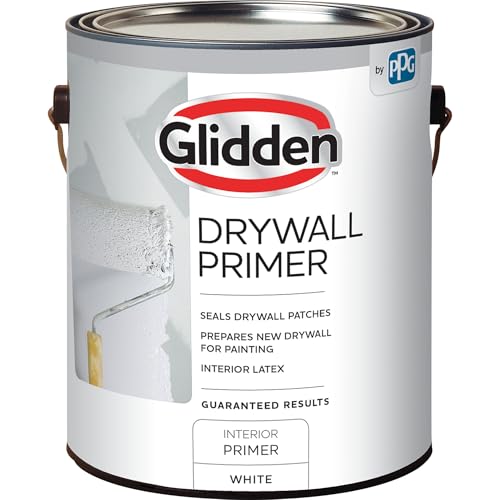
Glidden’s interior drywall primer is designed to seal drywall patches and prepare new drywall for painting. The water-based, interior latex formula helps create a uniform surface underneath topcoats, reducing the risk of patch shows and uneven color on paneling projects. It’s suitable for use on wood paneling when transitioning to paint, offering solid adhesion and a smooth base for the finish coat.
Key features include patch sealing and reliable coverage for interior surfaces. When applying over paneling, ensure surfaces are clean and dry. A single coat often provides a solid base, with a second coat as needed to minimize wood grain through the finish. This option is a practical choice for standard paneling renovations and fresh drywall prep.
Polar Clear Binding Primer 17 Fl Oz

This high-adhesion priming option is designed to seal damaged surfaces and provide a durable membrane that prevents peeling. It bonds tightly to old paint and problem areas, offering a flexible acrylic film that resists cracking as paneling surfaces move with humidity and temperature changes. The low-VOC, water-based formula is breathable, making it suitable for both interior and exterior applications connected to paneling projects.
The primer creates a smooth foundation for new coatings and wall coverings. It’s particularly useful when paneling shows adhesion challenges or when transitioning from a previously painted surface to new finishes. For best results, apply evenly and allow adequate drying time between coats.
ROMAN Vinyl Prep Wallpaper Primer for Painted Walls

Roman’s Vinyl Prep Primer is intended for painted walls and paneling in wallpaper prep workflows. It can be ready to hang after roughly three hours of dry time, and it initially goes on milky white before drying clear. This makes it easy to see coverage while applying to paneling surfaces, helping ensure a uniform base for wallpaper or paint.
The clear drying behavior reduces visual change to the surface while still providing enhanced adhesion. It’s a practical choice when preparing paneling behind wallpaper or when sealing patched areas prior to finishing with paint or coverings. Follow labeled instructions for best performance on larger paneling sections.
EVOLVE Drywall Primer & Sealer
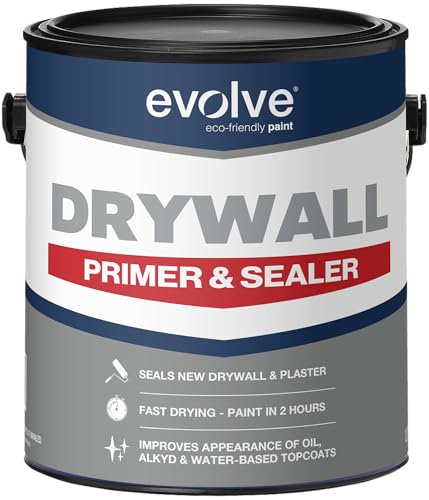
EVOLVE combines priming and sealing in one high-solids formula. It locks down porous surfaces and creates a uniform foundation, supporting smoother topcoats while using less paint overall. It’s engineered for new drywall and plaster, helping to even out porosity that can cause flashing or blotchy spots in the final finish on paneling projects.
The product hides imperfections, including joint compound and tape lines, giving a consistent base for the subsequent coating. It’s a practical choice when paneling areas include skim coats or repairs. This primer emphasizes strong adhesion and a professional finish for walls and ceilings alike.
Roman R-35 Adhesion Promoting Tacky Primer

Roman R-35 is designed to promote adhesion on sealed surfaces such as glass, tile, and paneling. It dries clear and creates a strong tack that improves bonding for even heavier wall coverings. The zero-VOC formulation aligns with low-emission standards, making it suitable for areas where ventilation might be limited or where occupants require minimal odor during application.
Best used on paneling when preparing for challenging finishes or heavy coverings, R-35 helps ensure a lasting attachment. Apply as directed, and allow appropriate drying times before applying the final coating or wallpaper.
Buying Guide: Key Purchase Considerations
Surface compatibility
Choose primers labeled for wood paneling, painted surfaces, plaster, or drywall, depending on your substrate. Some formulas are designed for interior only, while others offer exterior occasionally. For paneling, prioritize adhesion, stain-blocking, and the ability to seal porous wood.
Adhesion and sealing power
High-adhesion primers reduce the risk of paint peeling or blistering over paneling. If your project involves damaged surfaces or repairs, look for products that advertise sealing capabilities and hide underlying imperfections.
VOC and odors
Low-VOC or zero-VOC options are preferable for interiors, especially in occupied spaces. Consider low-odor formulas if you are working in small rooms or sensitive environments.
Drying time and recoat window
Fast-drying primers can speed up projects, but ensure you respect the recommended recoat times. For paneling, a second coat may be needed to achieve a uniform surface before painting or wallpapering.
Finish and appearance
Some primers dry clear, others white or milky and then dry clear. A clear-drying primer is useful when applying transparent finishes or when you want to visually confirm coverage before painting or wallpapering.
Application ease and coverage
Look for smooth spreadability, minimal splatter, and clear instructions. Coverage can vary by porosity and surface texture, so plan for additional coats if the surface is highly porous or damaged.