Choosing the right power roof vent can dramatically improve attic ventilation, reduce heat buildup, and lower energy costs. This guide highlights five strong options with high airflow, durable construction, and smart features suitable for American homes. Read on to compare capabilities, installation considerations, and what to prioritize when selecting a vent that best fits your attic size and climate.
| Product | Brand | Airflow (CFM) | Coverage | Key Benefit |
|---|---|---|---|---|
| Master Flow GAF 1000 CFM Power Roof Vent | Master Flow | 1000 | Up to 1,600 sq ft | Efficient attic ventilation with significant air movement |
| Master Flow GAF 1500 CFM Powered Roof Mount Attic Fan | Master Flow | 1500 | Up to 2,800 sq ft | High-capacity cooling with humidistat/thermostat options |
| iLIVING HYBRID Ready 1150 CFM Smart Thermostat Solar Roof Vent | iLiving | 1150 | Up to 2,900 sq ft | Smart control with solar and thermostat features |
| Cool Attic CX1500 Gable Mount Power Attic Ventilator | Cool Attic | 1500 | Up to 1,850 sq ft | Thermostat-controlled cooling with quiet operation |
| AIR Vent 53827 Roof Mounted Power Attic Ventilator | Air Vent | Unknown | Varies | Solid build with basic venting capabilities |
Note: Airflow (CFM) and coverage are practical guidelines. For best results, match vent capacity to attic size, insulation, and local climate. Always follow installation instructions and ensure proper wiring, drainage, and weatherproofing.
Master Flow GAF 1000 CFM Power Roof Vent: 1,000 CFM Attic Vent

The ERV4 model by Master Flow delivers strong airflow for attic spaces up to 1,600 square feet. It is designed to quickly remove hot and humid air, improving overall attic ventilation. The unit’s efficiency translates to potential energy savings as it helps balance attic temperatures and reduce cooling load in the home. It is built with a focus on reliable performance and long-term operation, making it a practical choice for mid-sized attics.
Key features include brisk air movement of up to 1,000 CFM, enabling faster evacuation of stale air and moisture. This can be particularly beneficial in warmer climates or homes with limited soffit venting. The vent’s efficiency and relatively low energy usage contribute to reduced electricity consumption compared to some traditional static vents. Installation should consider electrical supply and secure mounting to withstand wind exposure.
Master Flow GAF 1500 CFM Powered Roof Mount Attic Fan with Thermostat Controller

This higher-capacity option cools larger attics, up to 2,800 square feet, with the option of integrating a thermostat/humidistat (HT1) for automatic control. The ERV6BL model emphasizes robust airflow, providing up to 1,500 CFM. Its galvanized steel construction helps ensure durability in diverse climates. The built-in screen helps keep pests and debris out of the vent, supporting long-term maintenance and performance. Proper sizing against attic dimensions is essential for achieving efficient cooling without excessive energy use.
iLIVING HYBRID Ready Smart Thermostat Solar Roof Attic Exhaust Fan

iLiving offers a smart-technology approach with a thermostat-enabled system and solar integration. The 14-inch fan operates at 1150 CFM and can cover up to 2,900 square feet. This unit includes an IP68-rated brushless motor for durability in challenging conditions and adjustable solar panel positioning for optimal sun exposure. The system is designed for users seeking energy-efficient operation with automatic temperature-based cooling and control that can be managed via smart features.
Cool Attic CX1500 Gable Mount Power Attic Ventilator
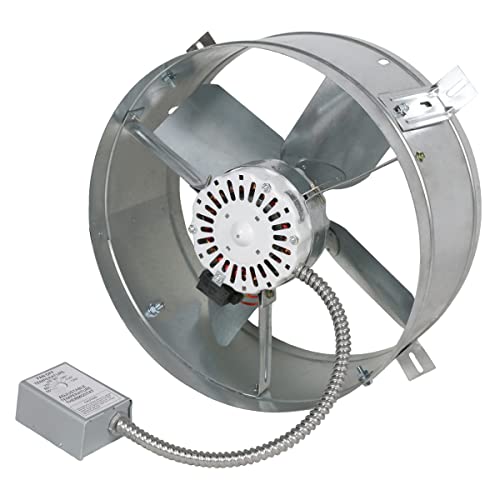
The CX1500 is designed for substantial attic cooling with 1,500 CFM airflow, supporting spaces up to about 1,850 square feet. It includes thermostat-controlled operation to optimize cooling when needed. The unit emphasizes quiet performance, aiming to balance effective ventilation with household comfort. Installation considerations include ensuring compatibility with roof structure and proper wiring for thermostat control. This option suits mid-to-large attic configurations seeking reliable cooling performance and energy efficiency.
Air Vent 53827 Roof Mounted Power Attic Ventilator

Air Vent’s 53827 model provides a straightforward power roof vent solution with a focus on dependable operation. While airflow figures vary by installation, this unit is noted for solid construction and compatibility with typical residential attic layouts. It represents a practical, no-fruss option for homeowners seeking dependable attic exhaust without complex features. When selecting this vent, confirm fit for your attic dimensions and roof geometry to ensure effective airflow distribution.
Buying Guide
Key considerations when choosing a power roof vent include attic size, roof pitch, climate, insulation levels, and existing ventilation pathways. High-CFM models are beneficial for larger attics or spaces with limited soffit vents, but they must be matched to the attic’s square footage to avoid over-ventilation or noise concerns.
- Attic size and ventilation need: For spaces up to 1,600 sq ft, a 1000 CFM unit may suffice; for larger attics, 1500 CFM or higher models are more appropriate.
- Thermostat and humidistat controls: Thermostats help automate cooling when needed, while humidistats manage moisture, reducing potential mold risk.
- Power source and efficiency: Electric-powered vents deliver consistent performance, while solar-assisted units cut energy use but depend on sunlight availability.
- Construction durability: Galvanized steel builds and weatherproof components withstand outdoor exposure. Consider wind and precipitation resistance in your region.
- Noise and installation: Some models emphasize quiet operation; ensure mounting hardware and roof penetrations are sealed properly to prevent leaks and reduce vibration.
- Maintenance: Look for built-in screens or washable components to minimize debris buildup and ease routine upkeep.
- Future needs: If planning attic insulation or additions, consider a vent with adjustable airflow or expandability to match evolving requirements.
In summary, select a vent with airflow appropriate for your attic size, align thermostat features with your HVAC strategy, and prioritize durability and ease of installation. For homes in hot climates or with limited soffit ventilation, higher-CFM options paired with thermostatic control typically yield the best long-term comfort and energy savings.