Pool safety is a top priority for households with children and pets. A reliable pool alarm system adds an essential layer of protection, providing rapid alerts if movement or entry is detected on the water. This guide highlights five highly rated options, spanning various pool types and smart features. Each option emphasizes easy setup, adjustable sensitivity, and loud alerts to ensure swift response and enhanced overall safety.
| Product | Brand | Key Feature | Pool Type Compatibility |
|---|---|---|---|
| Pool Alarm, Floating Pool Safety Alarms for Inground & Above Ground Pools – Loud 110dB Alert, Adjustable Sensitivity, Protection for Kids & Pets (Blue) | Hovara | 110dB alert, adjustable sensitivity | Inground & Above Ground |
| BCONE® Pool Alarm by Lifebuoy® | ASTM F2208 Certified | Lifebuoy | App alerts, Alexa/Google Assistant, 4 units support | Inground & Above Ground |
| PA-30 Pool Patrol Pool Alarm | Pool Patrol | ASTM F2208 tested, 85+ dB alarm | Inground & Above Ground |
| Pool Alarm, Floating Pool Safety Alarms for Inground & Above Ground Pools – Loud 110dB (Hot Red) | Hovara | 110dB alert, easy setup | Inground & Above Ground |
| Pool Alarm Navy | LAJBZ | Smart detection, adjustable sensitivity | Inground & Above Ground |
Pool Alarm by Hovara — Blue

The Hovara floating pool alarm provides essential protection for kids and pets. It detects water entry and emits a loud 110dB alert to prompt immediate action. Suitable for inground, above-ground, and soft-sided pools, the device offers a straightforward setup without wiring. Users can insert a battery, adjust sensitivity, and rely on a dependable alarm that helps prevent accidental drownings. The system emphasizes broad compatibility and quick deployment in diverse pool environments.
BCONE Pool Alarm by Lifebuoy — APP & Alexa Control

The Lifebuoy BCONE pool alarm pairs classic detector coverage with digital conveniences. It connects to smartphone apps and supports voice assistant ecosystems, enabling remote monitoring and adjustments from anywhere. The system features an advanced algorithm to reduce false alarms, while delivering a powerful sound on both pool and home units. It is designed for flexible installation and is compatible with multiple pool configurations, making it suitable for larger properties or homes with several water features.
PA-30 Pool Patrol — ASTM-Approved Safety

The Pool Patrol PA-30 is built to meet ASTM Safety Specification F2208, ensuring independently tested reliability. Installation is simple: insert the battery, set the desired sensitivity, and float the unit in the pool. The audible alert delivers 85+ dB at 10 feet, offering clear notification without requiring modifications to the pool area. Its design supports monitoring pools up to 20 feet by 40 feet, making it a practical choice for mid-sized residential pools.
Pool Alarm — Red Variant by Hovara
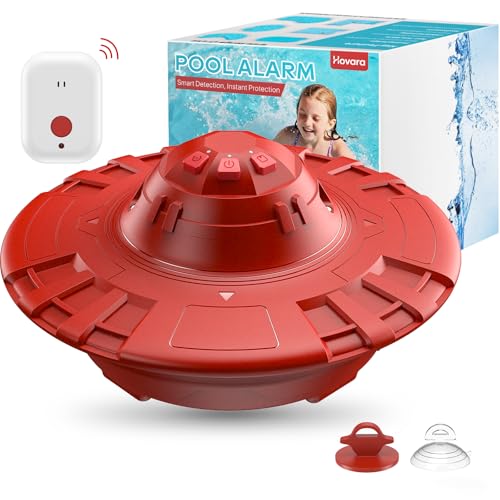
This Hovara red pool alarm mirrors the blue model’s core safeguards with a high-visibility color option. The device emphasizes quick setup and adjustable sensitivity to adapt to different pool sizes and water conditions. It is compatible with a variety of pool types, including inground and above-ground installations, and delivers reliable motion and water disturbance detection to alert caregivers quickly when entry occurs.
LAJBZ Navy Pool Alarm — Smart Detection

LAJBZ’s navy pool alarm focuses on smart water-disturbance detection with adjustable sensitivity. The floating unit is designed for quick, tool-free setup and works across most pool configurations. It provides immediate audible alerts while offering the flexibility to tailor sensitivity to wind, debris, or routine pool activity. The system’s simplicity supports dependable, ongoing monitoring for households seeking an unobtrusive safety device.
Buying Guide
Key purchase considerations help compare pool alarm systems across features, performance, and integration. The following perspectives cover common priorities for American buyers.
Detection Type and Sensitivity
Most alarms rely on motion, water disturbance, or buoyant displacement to trigger alerts. Look for adjustable sensitivity to minimize false alarms caused by wind or leaves, while ensuring detection of children and pets entering the water.
Sound Levels and Alerts
Alarm volume is critical for timely response. Typical ranges span from 85 to 110 dB at practical distances. Consider whether you want a pool-side siren only or a system that also pushes alerts to a connected app or smart speaker ecosystem for remote monitoring.
Pool Type Compatibility
Choose a model that clearly states compatibility with inground, above-ground, or flexible/plastic pools. Some units are designed to work across multiple pool designs, while others are optimized for a specific type.
Smart Features and Connectivity
Some alarms include Bluetooth or Wi-Fi connectivity, app control, and voice assistant integration (Alexa/Google Assistant). These capabilities enable remote monitoring, sensitivity adjustments, and multi-unit synchronization for larger properties.
Installation and Maintenance
Floating alarms typically require no wiring or drilling. Battery life, weather resistance, and ease of replacement are practical maintenance considerations. Systems with easy setup and tool-free installation save time and reduce potential installation errors.
Standards and Reliability
In the United States, ASTM safety compliance (e.g., F2208) is a common benchmark for pool alarms. Independent testing and multiple-unit compatibility can indicate higher reliability, especially for larger properties or multi-pool setups.
Multi-Unit Support
Large properties or families with several pools may benefit from systems that allow multiple pool units to connect to one central home unit. This enables centralized monitoring and coordinated alerts across locations.
Cost of Ownership
Consider upfront price, battery replacements, and potential subscription fees for app-based services. A balance between upfront costs and ongoing maintenance helps ensure long-term value.