Bed bug control hinges on selecting effective, EPA-approved products and using them as directed. This guide focuses on trusted sprays that can help reduce bed bug activity, including eggs and resistant strains. Each section highlights a top option, its key features, and how it fits into a broader treatment plan. Always follow label instructions and consider integrated pest management practices for lasting results.
| Product | Brand | Key Benefit |
|---|---|---|
| Ortho Home Defense Max Bed Bug, Flea & Tick Killer | Ortho | Kills bed bugs and eggs; effective against pyrethroid-resistant strains; spot treatment around bed frames and seams |
| EcoVenger Bed Bug Killer | EcoVenger | Plant-based, USDA-certified; proven efficacy including eggs; non-toxic and safe for sensitive settings |
| Hot Shot Ready-to-Use Bed Bug Killer | HOT SHOT | Kills bed bugs and eggs; indoor spot treatment; water-based and low odor |
| MGK Crossfire Bed Bug Concentrate | MGK | Kills pyrethroid-resistant bed bugs; fast knockdown; non-staining for indoor use |
| Harris Toughest Bed Bug Killer | HARRIS | Odorless, extended residual protection; effective against eggs and resistant strains |
Choosing the right product depends on infestation level, room conditions, and safety needs. The picks below cover a range from traditional contact killers to plant-based formulas, offering options for households with children and pets, as well as more robust, professional-grade solutions for persistent problems.
Ortho Home Defense Max Bed Bug, Flea & Tick Killer

Product overview: Ortho’s Interior spray targets bed bugs, bed bug eggs, fleas, and ticks with a single application, including resistance to certain bed bug strains. It’s designed for spot treatments around bed frames, baseboards, and mattress seams. The formulation supports quick knockdown and ongoing protection when used as directed, making it a staple option for immediate relief in bedrooms and living spaces.
EcoVenger Bed Bug Killer
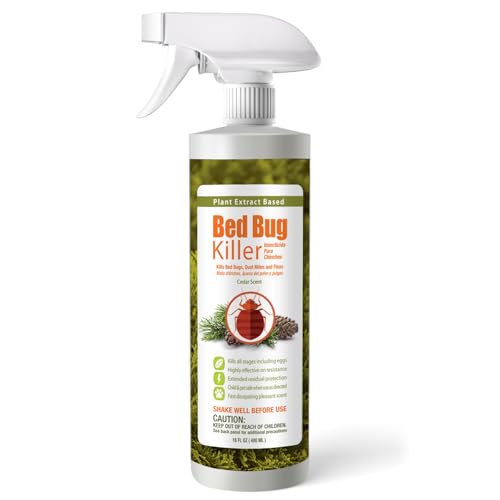
Product overview: EcoVenger uses a patented blend of botanical compounds, emphasizing plant-based chemistry for bed bug control. It’s USDA BIO-Certified and positioned as a safer alternative for sensitive environments. It reportedly kills adults, nymphs, and even bed bugs resistant to traditional pesticides, with a focus on consistent performance in real-world settings.
Hot Shot Ready-to-Use Bed Bug Killer
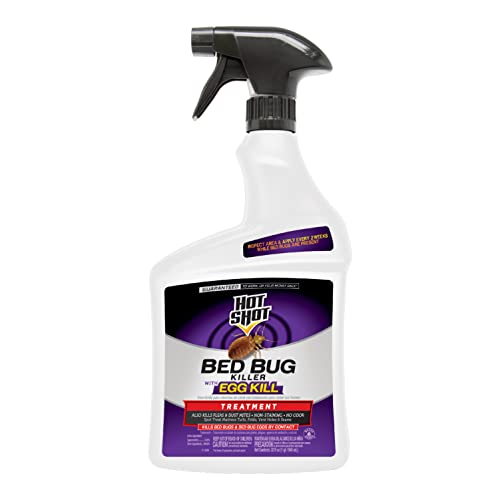
Product overview: Hot Shot offers a water-based, ready-to-use spray designed for indoor use. It targets bed bugs and eggs with spot treatment capabilities, including mattress folds, seams, and crevices. The formulation aims to minimize odor and staining, making it a practical choice for occupied spaces where odor sensitivity is a concern.
MGK Crossfire Bed Bug Concentrate

Product overview: Crossfire Concentrate is designed to kill pyrethroid-resistant bed bug strains. It features a patented formula with two active ingredients plus a synergist for fast knockdown and extensive life-stage coverage, including eggs. It’s labeled for indoor use on mattresses and other surfaces, with emphasis on rapid effectiveness and broad spectrum control.
Harris Toughest Bed Bug Killer

Product overview: Harris emphasizes a tough, extended-residual formula, designed to kill bed bugs, eggs, and pyrethroid-resistant strains. The product is marketed for long-lasting protection, reducing re-infestation risk. It’s positioned as a stronger option for larger or stubborn infestations where frequent reapplications are undesirable.
Buying Guide: Key Purchase Considerations
- Infestation severity: For light or isolated bed bug activity, ready-to-use sprays may suffice, while larger or resistant populations may benefit from concentrated formulas such as Crossfire or Harris Toughest, used per label directions.
- Active ingredients and resistance: Some products are designed to combat pyrethroid-resistant bed bugs. Consider switching between products with different active ingredients to reduce resistance development and improve efficacy.
- Safety and setting: Plant-based formulations (like EcoVenger) tend to be milder and may be preferable in homes with children or pets. Always check label warnings for indoor use, ventilation needs, and items not to be treated (e.g., certain fabrics).
- Application scope: Determine whether you need spot treatments around bed frames and seams, or broader coverage for cracks, crevices, and furniture. Some products support longer residual protection, which can help deter re-infestation.
- Egg kill capability: Bed bug eggs are harder to eliminate; products that claim efficacy against eggs may offer faster, more complete control, though multi-step processes often yield the best long-term results.
- Safety precautions: Follow label directions, use protective gear if recommended, and consider non-chemical measures such as vacuuming, washing linens in hot water, and encasing mattresses.
- Cost and convenience: Balance upfront cost with the need for repeat applications. Ready-to-use sprays are convenient but may require more frequent use, whereas concentrates may offer stronger, longer-lasting control with proper mixing and application.
- Ventilation: Ensure adequate airflow during and after application to minimize fumes. Even odorless products may require minutes of ventilation before re-entry into treated spaces.
In summary, selecting a bed bug spray involves evaluating infestation level, safety needs, and the product’s ability to target multiple life stages. Combining products with non-chemical strategies and adhering to a systematic treatment plan typically yields the best outcomes.