Peel and stick caulk tapes offer a fast, clean alternative to traditional tubes of silicone. Ideal for renters and DIY enthusiasts, these strips seal tiles, tubs, showers, sinks, and countertops without curing time or messy cleanup. This article highlights five top peel-and-stick caulk options, drawing on durable PVC and silicone blends designed for long-lasting water resistance and a neat finish. Read on to compare features, surfaces, and installation tips to choose the right product for your project.
| Product | Brand | Key Benefit |
|---|---|---|
| White Caulk Tape Self Adhesive Waterproof | CDFYREC | Crease design for 90° folding; wide bathroom/kitchen application |
| Seal ‘N Peel Removable Caulk | DAP | Removable with project planning tips |
| White Caulk Tape Waterproof Self Adhesive | Aqzfeuy | Long-lasting seal; easy fold along the crease |
| 2 Rolls Caulk Tape Self Adhesive | RHRVBSS | Two rolls; strong adhesion; cleaner look than traditional caulk |
| Caulk Tape Self Adhesive | TOUSEA | Premium PE material; heat-assisted adhesion for corners |
White Caulk Tape Self Adhesive Waterproof (CDFYREC)

The CDFYREC peel-and-stick caulk tape is a white 1.5-inch-wide strip, 10.5 feet long, with a 1 mm thickness. Its crease design allows folding to 90 degrees for tight seals around walls, corners, tubs, toilets, and tile edges. Suitable for a range of surfaces including tile, vinyl, wood, marble, glass, plastic, and metal, it provides a waterproof seal with long-lasting adhesion. The product is especially noted for its ease of use and renter-friendly cleanup, making it a practical choice for bathroom and kitchen edge protection projects. Installation emphasizes cleaning and drying the surface before application to maximize bond strength.
Seal ‘N Peel Removable Caulk

Seal ‘N Peel is marketed as a removable caulk option for quick projects. Its guidance emphasizes planning and permits as part of project preparation, appealing to homeowners and renters who want a reversible seal for areas like bathrooms and kitchens. While not a traditional tube of silicone, the removable nature makes it suitable for temporary installations or test runs on sensitive surfaces where permanent caulking isn’t desired. This option is best for users who anticipate repositioning or removing the seal in the future and prefer minimal cleanup.
White Caulk Tape Waterproof Self Adhesive (Aqzfeuy)

Aqzfeuy’s white caulk tape is designed for long-lasting waterproof protection around bathrooms and kitchens. It features a crease in the middle to enable easy folding for corners, and measures 1.5 inches in width by 10.5 feet in length. The tape is compatible with tile, vinyl, wood, marble, glass, and plastic surfaces, and emphasizes a clean, tidy finish without the mess of traditional silicone caulking. It notes that silicone caulk reticence may be encountered with some porous surfaces, so surface preparation remains important for optimal adhesion.
2 Rolls Caulk Tape Self Adhesive (RHRVBSS)
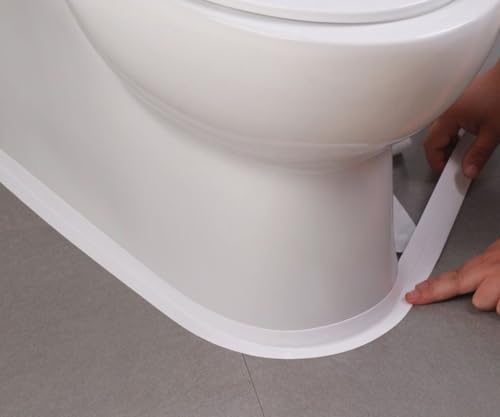
RHRVBSS offers a two-roll pack of white caulk tape, both 1.5 inches wide and 10.5 feet long. The tapes feature a crease in the center to help with precise folding around corners, and the product emphasizes stronger adhesion than some competing tapes. The packaging promotes a cleaner alternative to traditional caulk with less clean-up and faster application, making it suitable for sealing edges around toilets, tubs, showers, backsplashes, and kitchen counters. Users should prep surfaces by cleaning and drying to maximize the tape’s stick and longevity.
Caulk Tape Self Adhesive (TOUSEA)

TOUSEA’s peel-and-stick caulk tape uses premium PE material with an upgraded acrylic adhesive, offering long-lasting seal and strong adhesion. The crease design enables 90° folding for tight corners, and the product is marketed as easier to install than silicone caulk, with no tubes or curing time. It’s described as suitable for a wide range of surfaces, including tiles, vinyl, wood, marble, glass, and plastic. A sealing tool is included to help achieve a neat, professional finish after cleaning and drying the target area, with temperature considerations noted for best results.
Buying Guide: Key Purchase Considerations For Peel And Stick Caulk
- Material and adhesion: Look for high-quality PVC or silicone blends with a strong, long-lasting adhesive. A crease design is helpful for folding around corners, improving seal accuracy on uneven surfaces.
- Width and length: Common sizes are 1.5 inches wide and 10.5 feet long per roll. Consider how many edges you need to seal and choose a kit with enough length to cover the project without frequent reordering.
- Surface compatibility: Most peel-and-stick caulk tapes work on tile, vinyl, wood, glass, metal, and plastic. Note that silicone caulk or old caulking may resist adhesion on some tapes; thorough cleaning and drying are essential prior to application.
- Ease of installation: A true no-mess alternative to traditional caulk, these tapes often require no curing time and clean up with a quick wipe. Some products recommend heating the surface with a hair dryer to improve adhesion and flexibility, especially around curves.
- Removability and durability: Removable options are ideal for renters or temporary projects but may not offer the same lifetime durability as permanent caulking. Assess whether you’ll need to reposition or remove the strip later.
- Applications: Consider whether you’re sealing around a tub, shower, toilet, countertop, or backsplash. Some tapes are marketed for broader use, including baseboards and molding, which can influence your choice based on project scope.
- Temperature and moisture exposure: Bathrooms and kitchens are humid environments; choose a tape rated for moisture resistance and temperature variations to avoid peeling or loss of adhesion over time.
- Tools and accessories: Some products include a sealing tool for cleaner edges. If not, ensure you have a clean workspace, a soft squeegee or finger, and a hair dryer if recommended by the manufacturer.
- Removal considerations: For renters or temporary installs, removable options may be preferable to avoid wall damage. For permanent installations, durability and resistance to shrinkage or mold growth are key.
- Maintenance: Regular cleaning with a damp cloth helps maintain the seal’s appearance and longevity. Avoid abrasive cleaners that could degrade the tape edges over time.