Choosing the right roller for textured ceilings can dramatically affect finish quality and project speed. This guide highlights top rollers designed to create durable, consistent textures on popcorn and other ceiling finishes. We compare design, material quality, and ease of use to help you pick tools that deliver professional-like results at home.
Summary table of selected products (for quick reference):
| Product | Brand | Texture Type | Size | Key Benefit |
|---|---|---|---|---|
| Teenyyou 3 Pcs 9 Inch Textured Paint Roller Set | Teenyyou | Coarse textured | 9 inch | Flexible set with multiple textures |
| 9″ Drywall Texture Roller – Tree Bark | Jayen | Tree bark | 9 inch | Efficient pattern coverage |
| Nichiyo 7” Texture Roller (EG323T) | Nichiyo | Decorative pattern | 7 inch | Varied imprinting for decor |
| Crow’s Foot 9-inch Texture Roller | Stitokg | Crow’s foot | 9 inch | Deep, consistent patterns |
| Wooster 9-Inch R233-9 Texture Maker Roller Cover | Wooster | Textured roll cover | 9 inch | Professional-grade texture transfer |
Teenyyou 3 Pcs 9 Inch Textured Paint Roller Set

The Teenyyou 3-piece 9-inch textured roller set is designed for larger ceilings and walls where texture consistency matters. The kit includes three rollers with coarse texture options suitable for popcorn and other rough finishes. Made from PVC, these rollers aim to resist bending, breaking, and fading through repeated use and cleaning. Their rugged construction supports DIYers and professionals handling long projects, offering reliable performance in tough coatings and epoxy applications. The set suits both maintenance touch-ups and full room refreshes, letting you switch textures without swapping tools mid-task.
Key features include versatile texture application, durable plastic construction, and maintenance-friendly design. The rollers are advertised as capable of handling textured paints, coarse aggregates, and floor finishes. This makes them a practical, all-around tool for drywall texture projects and repainting efforts where texture is central to final aesthetics.
9″ Drywall Texture Roller – Tree Bark

This 9-inch drywall texture roller specializes in creating a distinctive tree bark pattern on walls and ceilings. The wide width improves coverage and helps maintain a uniform texture. The outer layer uses soft, resilient foam, which helps preserve pattern detail even through extended use. The tool is positioned for drywall texture projects, including repairs, renovations, and new construction, offering a straightforward approach to achieving a textured look without specialized training.
Nichiyo 7” Texture Roller (EG323T)
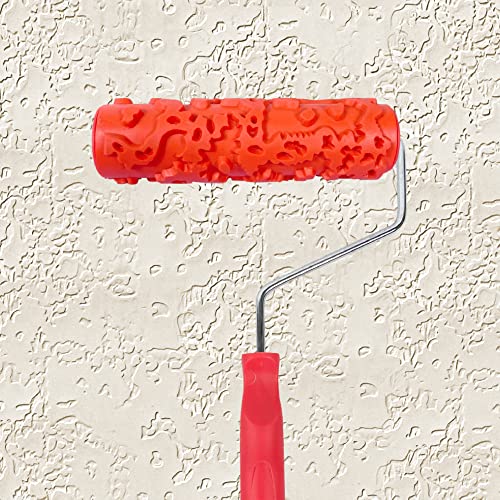
The Nichiyo 7-inch texture roller focuses on decorative patterns. It’s built from durable rubber, enabling a negative imprinting technique—where the painted surface transfers the roller’s pattern onto the texture layer. This approach can revitalize walls or furniture by concealing flaws with a repeatable pattern. The roller works well with texture mediums, plasters, chalk-based paints, and glazes, enabling a range of surface finishes. The kit emphasizes reusability and ease of cleaning, making it a practical choice for ongoing DIY projects.
Crow’s Foot Texture Roller (9-Inch)

The Crow’s Foot pattern roller by Stitokg delivers deep, consistent textures across walls and ceilings. The 9-inch width balances speed and precision, making it suitable for larger areas where uniform texture is essential. The tool emphasizes easy handling—an ergonomic design supports smooth application, reducing fatigue for DIYers and professionals alike. It’s presented as a reliable option for applying decorative finishes that mimic professional drywall texturing without specialized training.
Wooster 9-Inch R233-9 Texture Maker Roller Cover

The Wooster R233-9 texture maker roller cover brings professional-grade texture transfer to the job site. The cover features durable tan plastic looped material designed to apply texture paints and to work with coarse aggregate epoxy coatings. The focus is on consistent application and compatibility with various coatings used for textured ceilings and walls. The design aims to deliver uniform results with less effort, appealing to both seasoned painters and weekend warriors tackling ceiling textures.
Buying Guide: Key Purchase Considerations And Comparisons
Selecting the right textured roller depends on ceiling type, desired texture, and project scale. Consider these factors when choosing a tool:
- Texture pattern: If you want bold, architectural textures, choose rollers advertised with distinctive patterns like tree bark or crow’s foot. For subtle finishes, a fine texture roller may suffice.
- Roller material: Durable rubber or high-quality foam reduces wear and tear. PVC handles and plastic components should resist bending and cracking over time.
- Roller width: Larger widths (7–9 inches) speed up coverage on ceilings but may require steadier handling. Narrower rollers are more controllable on irregular surfaces.
- Coatings compatibility: Check whether the texture paints, plasters, or chalk-based paints used in your project are suitable for the roller’s material and imprint method (negative imprint, standard rolling, or heavy-texture carriers).
- Maintenance: Reusable rollers save money, but they require proper cleaning to preserve texture detail. Look for rollers that withstand repeated cleaning without delamination or pattern loss.
- Skill level: Some patterns are easier for beginners, with ergonomic handles and no-slip grips. Complex patterns may benefit from a partner and a steady approach.
- Project scope: For large ceilings, a 9-inch roller with a durable pattern ensures faster progress. For smaller rooms or detail work, 7-inch rollers offer better precision.
In practice, the best choice often involves a primary roller for general coverage and a specialty roller for accent textures. A balanced set helps manage different areas of your ceiling and ensures a cohesive finish. When selecting a kit, verify that the texture pattern and coating compatibility align with your intended look and surface condition.
When purchasing through marketplaces, use the product pages to confirm texture options, pattern depth, and cleanability. Reading user reviews and looking at application photos can provide practical insights into real-world performance. Finally, consider whether a roller kit includes spare parts or replacement covers to extend the tool’s lifespan.