Renovating wood floors often means removing old finishes or paint without harming the wood underneath. The following selections are top-rated, water-based or low-toxicity formulas designed to work on wood while minimizing damage to surrounding surfaces. This guide highlights five effective products, practical usage tips, and key factors to consider when choosing a remover for wood floors.
| Product | Brand | Notes |
|---|---|---|
| Motsenbocker’s Lift Off 41301 Latex Paint Remover Spray | Motsenbocker’s Lift Off | Water-based, multi-surface, easy cleanup |
| Citristrip Stripping Gel, 40 oz | Citristrip | Gel formula; effective on multiple layers |
| Max Strip Latex Paint Remover 22oz | Max Strip | Low VOC, biodegradable formula |
| Sunnyside 2-Minute Remover Gel | Sunnyside Corporation | Laminate-friendly, fast-acting on finishes |
| Smart ‘n Easy Paint & Varnish Remover Gel | Safe ‘n Easy | No caustics; citrus scent |
Motsenbocker’s Lift Off 41301 Latex Paint Remover Spray

Lift Off’s water-based formula targets latex paint, acrylics, latex enamels, and stencil paints. It works on multiple surfaces beyond wood, including fiberglass, carpet, brick, and metal tools. The product is designed for easy cleanup of paint brushes, rollers, spills, or pans, leaving paint solids for safer disposal. Its safety profile and multi-surface compatibility make it a versatile choice for wood floor refinishing projects where gentle, non-caustic removal is preferred.
All Purpose Paint Remover Spray 22oz – Max Strip
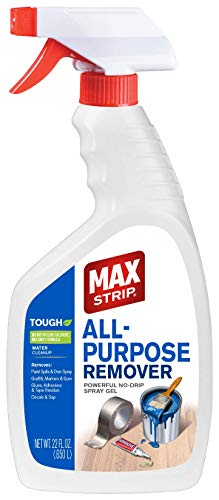
This water-based spray gel removes paint spots, overspray, graffiti, and more without methylene chloride or NMP. It’s designed for fast action and can be applied to metal, brick, concrete, tile, glass, stone, wood, and fiberglass. For wood floors, apply to the finish, monitor progress every 15 minutes, and use a scraper to lift softened layers. The low VOC profile supports indoor use with reduced odor, contributing to safer floor refinishing sessions.
Max Strip Latex Paint Remover 22oz

Max Strip’s latex paint remover softens and loosens latex and acrylic finishes on wood and other substrates. Its low VOC, biodegradable formula supports safer interior use and reduces user exposure during the removal process. This product is suitable for handling drips, spills, and overspray on wood floors, especially when paired with a scraper and suitable ventilation.
Citristrip Stripping Gel, 40 oz

Citristrip Stripping Gel stays wet for up to 24 hours, enabling multi-layer stripping in a single step. It removes dried latex and oil-based paints, varnish, lacquer, polyurethane, and shellac from wood and other surfaces. For wood floors, apply the gel, cover if needed to maintain moisture, and check periodically. The citrus-based formulation is aimed at reducing harsh chemical exposure while maintaining effectiveness on wooden finishes.
MiracleWipes for Paint Prep & Cleanup

MiracleWipes are designed for quick cleanup of wet or uncured paint messes on hands, surfaces, and tools. While not a dedicated remover, these wipes are useful during wood floor refinishing for removing accidental smears, pigment, or residue from adjacent areas. The dual-texture action helps minimize smears on wood benches or floors during the project workflow.
Goof Off Pro Strength Remover, 8 oz

Goof Off Pro Strength Remover is an adhesive and finish remover that also tackles dried latex paint and related messes. It’s designed for baseboards, metals, glass, brick, and wood, making it a good companion for spot treatments around wood floors. Always follow safety guidelines and ventilate well, especially with wood substrates during refinishing projects.
Sunnyside 2-Minute Remover Gel, Quart
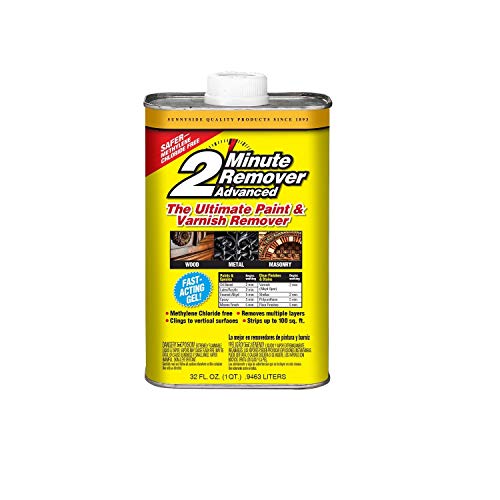
Newer, methylene chloride-free formula removes multiple paint layers quickly and is suitable for vertical and horizontal surfaces. Its fast-acting gel is designed to minimize drips on wood floors and adjacent surfaces, supporting efficient refinishing workflows without significant wood damage risk when used as directed.
Smart ‘n Easy Paint & Varnish Remover Gel

Smart ‘n Easy offers a 32-ounce gel that removes multiple layers of acrylic, latex, oil, and water-based paints and varnishes. It emphasizes a DIY-friendly approach with no caustic chemicals and a citrus scent. This can be a favorable option for homeowners working on wood floors where odor and safety are key considerations.
Buying Guide: Key Purchase Considerations For Wood Floor Paint Removers
- Wood compatibility: Look for products explicitly tested on wood floors to minimize warping or staining. Water-based formulas tend to be gentler on wood but may require longer dwell times.
- Finish type: Determine whether you’re removing latex, acrylic, oil-based coatings, or varnish. Some removers work best on multi-layer finishes, others excel with specific chemistries.
- Ventilation and odor: For indoor projects, choose low-odor, low-VOC formulas to reduce inhalation exposure and improve comfort during use.
- Application and dwell time: Gel and spray formulas have different dwell times. Plan for curing windows and ensure the floor is fully protected from drips or splashes.
- Safety and surface protection: Follow label directions for protective gear and surface masking. Some products are safe for metals and glass, but may require masking around wood edges or adjacent flooring.
- Cleanup & disposal: Consider ease of cleanup—gel-based removers often allow cleaner residue removal. Proper disposal helps comply with local regulations for paint waste.
- Environmental and health features: Biodegradable, non-caustic, low-VOC, and water-based options reduce environmental impact and exposure risk.
- Cost and coverage: Compare coverage per quart or liter and factor in the number of coats or layers to remove for your project timeframe and budget.
- Supplementary tools: Have scrapers, putty knives, and heat-safe shields ready. Some finishes may lift best with gentle mechanical action after the chemical softens the layer.
These products offer a range of options for removing paint or finishes from wood floors, from gentle, safer removers to more aggressive formulations. Always test a small, inconspicuous area first to confirm compatibility with your specific wood species and finish. Adequate ventilation, proper protective gear, and careful follow-through with application and cleanup will help protect wood floors during refinishing projects.