Discover top orthopedic pillows designed to ease neck and back discomfort while supporting proper spinal alignment. Below you’ll find five leading options chosen for their design, materials, and user-focused features. Each pillow emphasizes contouring, cooling materials, and versatile sleeping positions to help alleviate common pain points from back, neck, and shoulder strain.
Overview table of selected products:
| Product | Brand | Key Feature |
|---|---|---|
| Sleep Doctor Approved Cervical Neck Pillow | Emircey | Hollow contour with adjustable heights; cooling memory foam |
| Osteo Cervical Pillow | Osteo | Patent hollow center; breathable 3D mesh case |
| Ultra Pain Relief Cooling Pillow | Cozyplayer | Hollow concave design; six contour zones; Arc-Chill cooling case |
| ComfiLife Lumbar Support Pillow | ComfiLife | Triangle wedge for lower back support; multi-sleeper use |
| C Cushion Lab Deep Sleep Pillow | C CUSHION LAB | Patented contour for back and side sleepers; dual-density memory foam |
Emircey Cervical Pillow For All Sleep Positions

The Emircey cervical neck pillow is crafted to mimic the natural curve of the spine with a hollow, butterfly-shaped contour. The design supports the head, neck, and shoulders while reducing cervical strain. It features a flip option to switch between three-and-a-half inch and three-and-one-tenth inch profiles, making it adaptable for different body frames and sleeping styles. Its cooling cover uses plant-based treatment to enhance airflow and moisture wicking, helping to maintain a comfortable temperature throughout the night. This pillow targets back, side, and stomach sleepers with a focus on alignment and spacious shoulder room.
Key considerations include its adjustable height, memory foam composition, and breathability. Users should consider their preferred sleeping position and whether they benefit from a higher vs. lower profile. The pillow’s cooling technology can be particularly beneficial for hot sleepers who wake with sweat. While the design aims to be universal, larger frames or those needing substantial neck elevation may prefer the higher setting for optimal alignment. Overall, it offers a versatile option for pain relief and spinal support across multiple positions.
Osteo Cervical Pillow For Neck Pain Relief
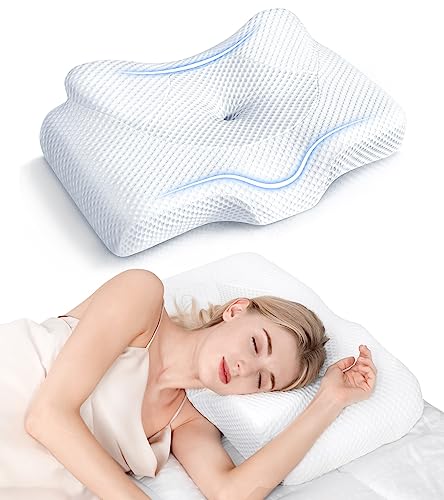
Osteo’s pillow emphasizes a hollow center that cradles the head while preserving the natural cervical curve. The design aims to improve blood flow and reduce muscle tension by maintaining proper vertebral alignment. It’s marketed as suitable for side, back, and stomach sleepers, and the outer 3D mesh cover facilitates air movement to combat heat buildup. The CertiPUR-US certified memory foam and odorless materials address concerns about off-gassing and safety. For users who seek a dedicated neck-support system with breathable coverage, Osteo presents a strong option.
Considerations include the balance between a supportive contour and the comfort level of a hollow profile. Those who prefer a more pronounced elevation might opt for higher pillow configurations, while lighter sleepers may benefit from the hollow center’s gentle cradle. The product’s claim of improved blood flow may be appealing for individuals with neck or shoulder tension, though personal preference for firmness and contour depth will influence satisfaction.
Cozyplayer Ultra Pain Relief Cooling Pillow

This pillow blends a hollow contour with six distinct zones designed to cradle the head and neck, aligning the spine across positions. A tilted 15-degree design and a hollow concave surface provide targeted support, while the Arc-Chill pillowcase works to reduce skin temperature. The memory foam core is described as breathable and non-toxic, contributing to a cooler sleeping environment. It’s positioned as a versatile option for side, back, and stomach sleepers who require thorough neck and shoulder support.
Critical considerations include how well the contour zones address individual neck pain patterns and how the 15-degree angle feels in practice. The cooling pillowcase can be a deciding factor for hot sleepers, and the overall design aims to minimize night-time movement by maintaining stable alignment. Potential buyers should assess whether the six zones translate to meaningful relief for their unique pain points and preferred sleep posture.
ComfiLife Lumbar Support Pillow For Sleeping

The ComfiLife pillow uses a triangle wedge to support the lower back and is designed for use by back, side, and stomach sleepers. This feature makes it a versatile addition to a sleep setup aimed at reducing lumbar strain. The memory foam construction promises long-lasting comfort and contouring that encourages proper spinal alignment. In practice, it can also assist with hip and leg positioning when used under the knees or feet. The medium-soft feel aims to balance support with comfort, minimizing pressure points along the lower back.
When evaluating this option, consider whether a wedge design matches your specific back pain location. Those seeking broader lumbar containment or a more diffuse back support might pair it with a full contour pillow. It is a straightforward solution for improving nighttime alignment and reducing lower back discomfort.
C Cushion Lab Deep Sleep Pillow
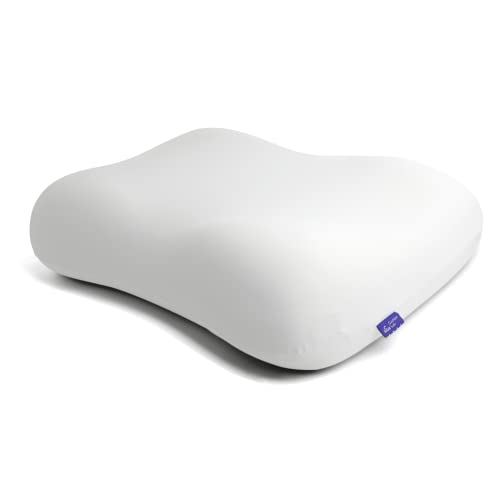
The Deep Sleep Pillow from C Cushion Lab is designed to accommodate back and side sleepers with a patented contour. Its dual-density memory foam provides a soft top layer with an adaptive support base. The architecture includes side bolsters and a shoulder line to help align the spine during various sleep positions. The product emphasizes zero-pressure cushioning to reduce disruption during the night and support neck and shoulder comfort. This makes it a well-rounded choice for those who shift positions frequently in bed.
Key considerations include how the contour and shoulder alignment influence personal comfort, especially for those with shoulder pain or wide frames. The dual-density approach aims to balance comfort with support, but individual preference for firmness and contour depth will impact long-term satisfaction. It is a strong candidate for sleepers seeking consistent neck support and a cushioning transition between positions.
Buying Guide: Key Purchase Considerations
- Sleeping position: Side sleepers typically benefit from higher contour and neck support to maintain proper alignment; back sleepers may prefer a pillow with a gentler incline and broader shoulder space. Stomach sleepers often require lower profiles to prevent neck strain.
- Contour design: Hollow centers, six contour zones, or shoulder-guided shapes can address pressure points differently. Test whether the contour aligns with your neck curvature and whether you need adjustable height.
- Materials and cooling: Memory foam with breathable covers helps with alignment and temperature management. Look for covers treated with cooling technology or high air-permeability fabrics if you sleep hot.
- Allergen and safety considerations: CertiPUR-US certification and Oeko-Tex approvals indicate safer materials and reduced chemical exposure.
- Durability and return policy: Memory foam pillows may compress over time. Check warranty length and whether the seller offers a sleep trial to evaluate long-term comfort.
- Maintenance: Removable, washable covers simplify upkeep and maintain hygiene, which can influence neck and head comfort over time.
- Price vs. performance: While higher-end contour pillows often offer more features, evaluate perceived relief and daily usability against cost to determine real value.
These considerations help balance comfort, support, and practicality. For many users, the best option is a pillow that provides reliable neck support without sacrificing breathability, enabling consistent sleep posture across movements through the night. Always consult a healthcare professional for persistent neck or back pain to determine if a specialized pillow fits broader treatment plans.