Choosing the right moisture barrier is essential for protecting concrete slabs and crawl spaces from dampness, vapor transmission, and radon. The following selections emphasize durability, proven performance, and ease of installation. Each product below is focused on creating a reliable vapor barrier or sealant layer to improve long-term performance of concrete floors and surrounding spaces.
Summary table of selected products:
| Product | Brand | Type | Key Benefit | Approximate Coverage |
|---|---|---|---|---|
| Crawl Space Vapor Barrier – 12 mil 10′ x 50′ | Crawldryer | Heavy-Duty Polyethylene Film | Radon mitigation potential; durable for encapsulation | 500 sq ft |
| Rust-Oleum Concrete Moisture Stop Fortifying Sealer | Rust-Oleum | Concrete Sealer | Seals moisture for coatings; quick-drying | Up to 200 sq ft per gallon |
| Farm Plastic Supply Concrete Vapor Barrier – 15 mil | Farm Plastic Supply | Heavy-Duty Plastic Sheeting | ASTM-tested; durable under concrete | 14′ x 140′ |
| MPC-160 Epoxy Moisture Vapor Barrier | Master Protective Coatings | Two-Component Epoxy | High vapor resistance; suitable for industrial floors | Depends on project area |
| Crawl Space Vapor Barrier – 12 mil 10′ x 100′ | Crawldryer | Heavy-Duty Polyethylene Film | Large coverage; durable for encapsulation | 1000 sq ft |
Crawl Space Vapor Barrier 12 Mil 10′ x 50′

The Crawl Space Vapor Barrier by Crawldryer uses a 12-mil heavy-duty polyethylene film designed for crawl space encapsulation. With dimensions of 10 feet by 50 feet, it covers up to 500 square feet, providing strong resistance to tearing and punctures. The black and white panda film faces offer practical advantages: the white side reflects light and helps visibility during installation, while the black side reduces light penetration to discourage mold growth in dark spaces. This barrier is marketed for vapor blocking and radon mitigation, and it is listed as reusable for extended use. The product is suitable for use as a primary vapor barrier under concrete slabs or in existing crawl spaces, where moisture performance is a priority. Installation considerations include overlapping seams and secure fastening to prevent shifting over time.
Rust-Oleum Concrete Moisture Stop Fortifying Sealer
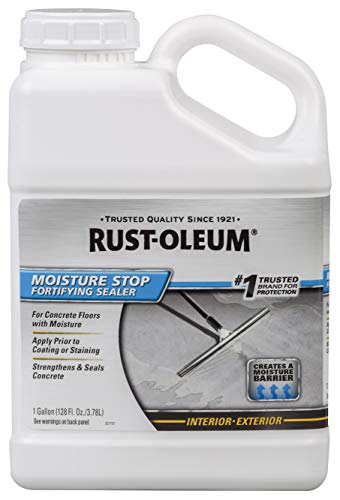
Rust-Oleum’s Moisture Stop Fortifying Sealer is a penetrating, water-based sealer designed to seal concrete floors and curb moisture transmission before applying topcoats. The product penetrates the surface to create a protective barrier without altering the floor’s appearance. A typical application cycle suggests letting the sealer penetrate for about 45 minutes, after which it can be protected with subsequent coatings. Coverage rates indicate up to about 200 square feet per gallon, which is suitable for smaller projects or as a prep step for larger surfaces. This sealer is commonly used in environments with moisture concerns to improve adhesion and reduce vapor transmission that can affect coatings and finishes. For best results, ensure the concrete is clean, dry, and in good condition prior to application.
Farm Plastic Supply Concrete Vapor Barrier – 15 Mil
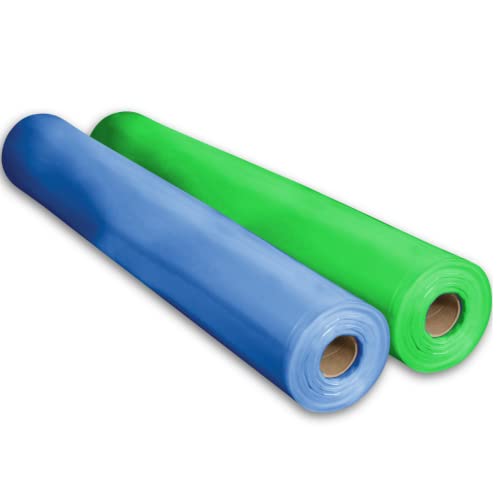
Farm Plastic Supply offers a 15-mil blue or green vapor barrier designed for use beneath concrete. The 14′ x 140′ sheet provides ample coverage for larger slab installations. The sheet is engineered from low-density polyolefin plastic and is described as tough and resistant to tearing. It is claimed to exceed standard ASTM 1745 requirements based on independent laboratory testing and carries ISO 9001:2008 certification from the manufacturer. The durable barrier is built to withstand weathering during installation and to maintain performance under concrete pours, aiding in moisture control and long-term slab integrity.
MPC-160 Epoxy Moisture Vapor Barrier
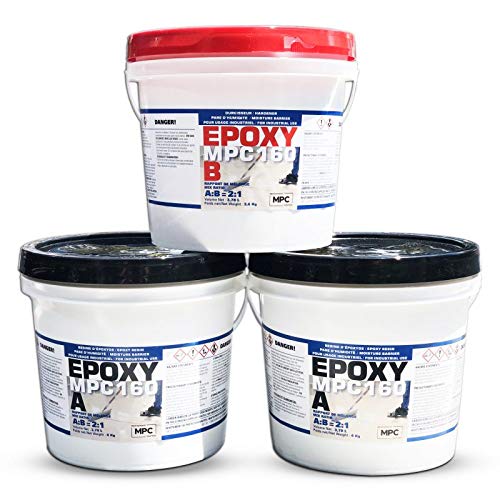
Master Protective Coatings’ MPC-160 is a 100% solids epoxy moisture barrier designed for concrete floors and subfloors. This two-component epoxy coating forms a durable, high-performance barrier against vapor emissions when applied at 18 mils, exceeding some ASTM F3010 requirements for vapor permeance. It is intended for industrial and commercial settings, including spaces with high humidity. The kit aims to provide a protective layer that improves coating adhesion for subsequent finishes and helps prevent moisture-related failures. Typical project scope includes damp-proofing layers between concrete and topcoats in environments such as garages, warehouses, and production areas.
Crawl Space Vapor Barrier 12 Mil 10′ x 100′

This Crawldryer barrier extends the 12-mil film with a larger 10′ x 100′ footprint, covering up to 1000 square feet. The reinforced polyethylene film is designed for crawl space encapsulation, providing a durable barrier to block moisture vapor and radon gas. The repeatable black and white panda film design helps with installation logistics and light control. The product is described as reusable and resistant to tearing under typical crawl space conditions, making it a practical option for larger encapsulation projects or retrofit jobs in existing spaces. As with other barriers, ensuring tight seams and proper overlap is essential for optimal performance.
Buying Guide: Key Purchase Considerations and Comparisons
- Moisture barrier type: Choose between polyethylene films for encapsulation projects and epoxy barriers for higher-vapor environments. Epoxy barriers offer robust vapor resistance but require proper mixing and curing conditions.
- Thickness and durability: Thicker films (e.g., 12–16 mil) provide greater tear resistance, especially in crawl spaces or under heavy equipment. For large slab projects, consider barriers with large roll sizes to reduce seams.
- Light control and reflectivity: Panda film with black/white sides helps reduce light penetration (black side) and enhance visibility (white side) during installation and inspection.
- ASTM and standards: Look for products tested to relevant standards (e.g., ASTM 1745 for vapor barriers) and certifications such as ISO 9001 to ensure consistent quality.
- Application surface condition: For coatings and sealers, prepare concrete by cleaning, drying, and repairing damaged areas to maximize adhesion and barrier performance.
- Installation considerations: Plan seam overlaps, use appropriate fasteners or tape, and account for edges near walls or irregular surfaces to maintain a continuous barrier.
- Coverage needs: Estimate total area using length × width and include waste for overlaps and corners. Larger rolls can reduce the number of seams, improving performance.
- Compatibility with coatings: If applying a coating or sealer above the barrier, confirm chemical compatibility with the barrier material to prevent delamination or vapor breakthrough.
- Cost vs. longevity: While thicker barriers may cost more upfront, the longer-term durability and fewer seams can offer better value on larger or moisture-prone projects.
Overall, selecting the best moisture barrier for concrete slabs or crawl spaces depends on project scope, environmental conditions, and whether you prioritize ease of installation, long-term durability, or compatibility with coatings. The listed products provide a mix of barrier types, sizes, and performance characteristics to help cover common scenarios—from small encapsulation tasks to extensive slab moisture control. Always follow manufacturer installation instructions for optimal results and consider consulting a moisture control professional for complex environments.