Choosing the right water heater for a mobile home or compact living space requires balancing size, installation ease, and reliable hot water supply. The following five models are well-suited for limited spaces, simple hookups, and varying hot water needs. Each option highlights compact design, plug-and-play capabilities, or point-of-use versatility.
| Product | Capacity | Key Benefit |
|---|---|---|
| GE Appliances 18 Gallon Versatile Plug and Play Electric Water Heater | 18 gallons | Whole-home flexibility in tight spaces |
| VEVOR Electric Water Heater, 18 Gallon | 18 gallons | LED display with knob control and on-demand heat |
| GE Appliances 10 Gallon Versatile Plug and Play Electric Water Heater | 10 gallons | Compact, easy installation with 120V power |
| Rheem T2V40-D 40 Gallon Richmond Essential Tall Electric | 40 gallons | Tall design for mobile-home configurations |
| Thermopate Tank Water Heater 10/18 Gallon Options | 10 or 18 gallons | Point-of-use versatility for sinks and small spaces |
GE Appliances 18 Gallon Versatile Plug and Play Electric Water Heater

The GE 18-gallon model emphasizes whole-home flexibility in compact spaces. It installs in minutes using standard 3/4-inch NPT water connections and a 120-volt supply, allowing for straightforward integration in kitchens, bathrooms, or small utility areas. Its compact design is tailored for limited spaces such as apartments, cabins, or garages, making it a practical option for mobile homes that require reliable hot water without occupying a large footprint.
Features include plug-and-play installation, compatibility with existing plumbing, and a compact footprint suitable for tight areas. This model is appropriate when a higher hot-water capacity is needed without resorting to large, wall-mounted systems. Users should confirm electrical circuit availability and ensure proper venting and clearance per local codes.
VEVOR Electric Water Heater, 18 Gallon Tank
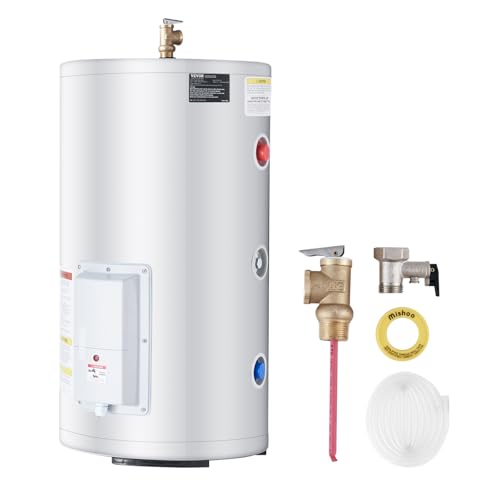
VEVOR’s 18-gallon unit combines a sizable storage tank with an LED display and rotary temperature control. With a 1600W heater, it reduces wait times and can supply hot water for dishwashing and laundry. Its enamel-coated tank adds durability and safety benefits, while a side connection and IPX4 protection support installation in damp or outdoor-adjacent spaces. The device can deliver hot water for families or households with moderate demand, and its control interface helps users dial in a comfortable outlet temperature from 30°C to 75°C (86°F to 167°F).
Due diligence should include checking available space for the tank, electrical load planning, and ensuring there is a 120V circuit capable of supporting the unit’s power draw. This model is well-suited for point-of-use or small-space applications where a reliable hot-water supply is needed without a full-house system.
GE Appliances 10 Gallon Versatile Plug and Play Electric Water Heater
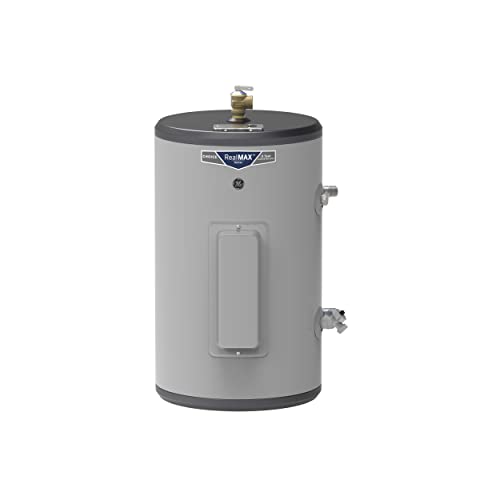
The 10-gallon GE unit focuses on space savings while maintaining solid performance. It uses standard 3/4-inch NPT connections and a 120-volt supply like its larger sibling, but in a smaller footprint ideal for kitchens, bathrooms, RVs, or closets. A compact design helps maximize usable room in mobile homes where every square inch matters. The model is supported by an 8-year warranty on the tank and parts, with a one-year labor warranty for peace of mind. Installers should verify access to adequate electrical capacity and plumbing clearance before placement.
Rheem T2V40-D 40 Gallon Richmond Essential Tall Electric

Rheem’s Tall 40-gallon model is designed for mobile-home applications where vertical space is available. The unit provides a robust hot-water supply for households with moderate demand, and its tall silhouette can fit into traditional utility chases or dedicated closet spaces. The specification notes a simple, user-friendly design with a side T&P relief valve and a durable build. It is well-suited for mobile homes needing a larger-capacity electric water heater without resorting to bulkier configurations.
Considerations include ensuring adequate electrical service, proper ventilation where required, and compatibility with the home’s existing plumbing layout. The tall design may require precise placement planning to fit through doors and access panels typical in mobile-home setups.
Thermopate Tank Water Heater 10/18 Gallon Point of Use

Thermopate offers a flexible point-of-use option with 10 or 18 gallons depending on model choice, designed for sinks, dishwashers, or showers in compact spaces. The 120V 1500W system includes a built-in thermostat for adjustable temperature from 90°F to 150°F, with a factory setting around 125°F. Its low-profile 25.5-inch height and in-line installation capability make it suitable as a booster to larger hot-water sources or as a stand-alone unit in kitchens, bathrooms, RVs, or small cabins. The INCOLOY-800 heating element provides enhanced corrosion resistance and longer life than standard copper elements.
When selecting this option, verify the space for the low-profile design, confirm electrical circuit provisions, and assess whether a booster configuration meets your hot-water demands for typical use cases in a mobile home.
Buying Guide: Key Considerations for Mobile Homes
- Size and space: Decide between whole-home units and point-of-use models. Measure the installation area and account for doorways, cupboards, and utility closets.
- Electrical requirements: Most compact units run on 120V, while larger capacities or tankless systems may require dedicated circuits or higher voltage. Check your electrical panel and available amperage before purchasing.
- Capacity needs: 10–18 gallons cover basic sinks and showers, while 40 gallons supports more simultaneous hot-water demand. Consider future needs for guests or extended use.
- Installation flexibility: Look for plug-and-play or easy plumbing hookups to minimize permanent modifications in mobile homes.
- Durability and safety: Enamel or corrosion-resistant elements, thermal controls, and T&P relief valves reduce risk and extend life in variable climates and mobile environments.
- Energy efficiency and operating costs: Tank models vs. tankless or hybrid options affect energy bills. Match efficiency with your usage pattern and electrical setup.
- Warranty and serviceability: Longer warranties on tanks and components reduce long-term ownership risk. Ensure local service availability for maintenance or part replacement.
- Ventilation and installation codes: Some models require specific clearance, venting, or adherence to regional electrical codes. Consult a licensed installer if in doubt.