Choosing the right metal lath or metal lath alternative is essential for durable stucco projects. This guide highlights five highly relevant products that improve adhesion, reduce rust, and streamline installation. You’ll find practical options—from fiberglass lath alternatives to sturdy lath screws—that help meet building codes and performance expectations across the United States.
The following summary table provides a quick overview of the chosen products and their key attributes. Use the table to compare features at a glance, then read detailed sections for each item.
| Product | Brand | Primary Benefit | Key Feature |
|---|---|---|---|
| SpiderLath Fiberglass Lath | SpiderLath | Rust-free alternative to metal lath | Self-furring; 6x added strength |
| TruFast 1.25″ Grip-Plate Flat Metal Washer | GRIP-PLATE | Solid lath attachment for various substrates | 1/4″ behind and in front; strong adhesion |
| TruFast 1.25″ Grip-Plate Prong Tab Metal Washer | GRIP-PLATE | Pre-spotting and lath engagement | 1-1/4″ diameter; 4 tabs |
| #8 x 1-5/8 Sheet Metal Lath Screws | Newport Fasteners | Durable lath/surface fastening | 304 stainless steel; modified truss head |
| #8 x 1-7/8 Sheet Metal Lath Screws | Newport Fasteners | High-volume fastening with clean finish | 304 stainless steel; cam-out resistance |
SpiderLath Fiberglass Lath, Stucco Netting

Product overview: SpiderLath offers a fiberglass lath alternative designed to resist rust. Its self-furring capability meets code requirements for dust and moisture management behind the stucco layer. The lath claims six times greater strength than standard metal lath, enhancing rigidity and reducing deformation during application. This option is suitable for builders seeking a non-corrosive backing with straightforward installation and compatibility with typical stucco mixes.
TruFast 1.25″ Grip-Plate Flat Metal Washer

Product overview: The Grip-Plate flat washer is designed to securely attach lath to various substrates, including concrete, stucco, and plaster. It stabilizes sagging plaster and offers strong wind-load performance for exterior assemblies. The flat washer is a practical solution when a flat, even bearing surface is needed to ensure long-term adhesion and uniform finish across the application area.
TruFast 1.25″ Grip-Plate Prong Tab Metal Washer
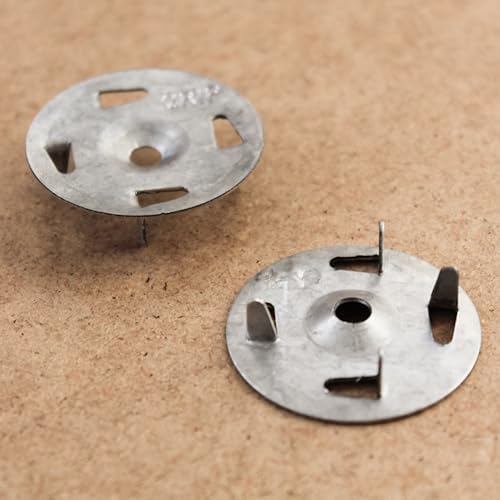
Product overview: This prong-tab version combines the benefits of a lath washer with prongs that engage the base surface for precise alignment and rapid installation. The four tabs help pre-spot the lath, enabling more accurate alignment and reduced adjustment time during plaster or base coat application. It is a reliable choice for projects requiring pre-embedded engagement with multiple fastening points.
#8 x 1-5/8 Sheet Metal Lath Screws

Product overview: These stainless steel lath screws deliver robust corrosion resistance, ensuring long-term performance in moist or outdoor environments. The screws feature a modified truss head with a wide, low-profile bearing surface to provide a clean, professional finish. The Phillips drive supports efficient fastening, particularly in high-volume or time-sensitive projects.
#8 x 1-7/8 Sheet Metal Lath Screws
Product overview: These premium lath screws likewise use 304 stainless steel to resist rust and corrosion. The longer length provides enhanced engagement for thicker substrates or reinforced base coats. The screws maintain a low-profile head for a neat finish, and the Phillips drive enables efficient installation for larger projects or crews.
Buying Guide: Key Purchase Considerations
Choosing the right combination of lath backing, fasteners, and accessories depends on project specifics and local code requirements. Consider the following perspectives to guide decision-making:
- Material choice: Fiberglass lath is rust-free and lightweight, offering a non-metal alternative where corrosion is a concern. Metal lath, including galvanized or stainless options, remains the standard for many installations due to proven performance.
- Attachment method: Flat and prong-tab washers help distribute load and improve plaster adhesion. Prong tabs can aid in precise placement, reducing adjustments during base coat application.
- Fastener selection: Stainless steel lath screws provide excellent corrosion resistance and a clean finish. The head style (modified truss) and drive type (Phillips) influence installation speed and finish quality.
- Code compliance: Ensure the chosen products meet local building codes for stucco and plaster assemblies. Self-furring options may simplify installation and meet required clearances behind the base.
- Application context: For high-wind areas or exposed applications, prioritize fasteners with higher pull-out strength and longer engagement, plus corrosion resistance suitable for moisture exposure.
Performance Considerations
When evaluating products for stucco backing, balance corrosion resistance, load distribution, and ease of installation. Self-furring or embedded contact behind and in front of the lath helps satisfy code requirements and reduces the risk of cracking. The right combination of lath system and fasteners minimizes sagging and enhances the integrity of the plaster or base coat.
Installation Scenarios
For thinner stucco applications, a fiberglass alternative like SpiderLath can provide rust-free benefits while maintaining adequate adhesion. In more traditional applications, the Grip-Plate washers (flat or prong tab) offer robust lath engagement and straightforward alignment. The stainless steel lath screws with modified truss heads ensure a clean finish and efficient fastening, essential for fit and longevity on larger projects.
Durability And Maintenance
Corrosion resistance, particularly in humid or coastal environments, is a top consideration. Stainless steel fasteners paired with galvanic-compatible lath materials reduce risk of rust staining and long-term deterioration. Regular inspection of fasteners and edge conditions helps maintain performance over the life of the stucco system.
In sum, the curated selection emphasizes rust resistance, secure engagement, and installation efficiency, aligning with common American stucco practices and code requirements.