When caring for someone with dementia, keeping them safe at home while preserving independence is essential. These indoor door lock solutions are designed to curb wandering, secure bedrooms and bathrooms, and provide peace of mind for caregivers and renters alike. This guide highlights five reliable options, detailing how they work, installation, and what makes each a practical choice for dementia care in indoor settings.
| Product | Brand | Key Benefit |
|---|---|---|
| Door Knob Cover Lock (White) | JUGGHOME | Enhanced privacy; durable iron construction |
| Door Knob Cover Lock (Black) | JUGGHOME | Privacy and safety with rustproof build |
| Universal Door Lock-Out (PKLIYH) | PKLIYH | Tool-free install; versatile multi-scene use |
| Door Knob Lockout With Padlock | CHOWZZ | Unique passworded padlock; durable iron |
| HugLock Snap-On Lock | SnapPower | Tool-free, high placement; fits knobs and levers |
JUGGHOME White Door Knob Cover Lock With Combination Padlock
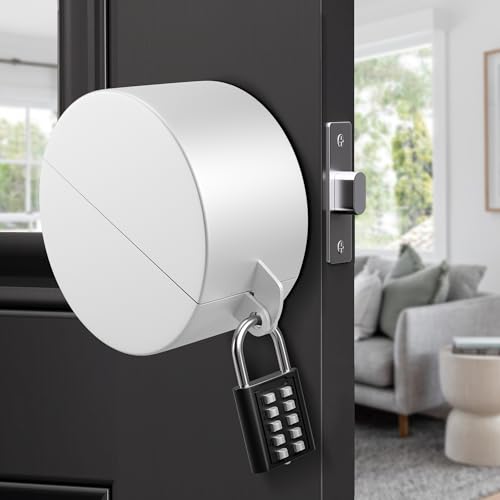
Features a door knob lock cover that prevents unauthorized door operation, enhancing room privacy for renters and households with shared spaces. The device serves as a physical barrier and acts as a behavioral cue to deter wandering. Made from powder-coated iron for durability, it resists water and rust, suitable for indoor use with a long-term lifespan. This model emphasizes safety for dementia and Alzheimer’s patients by restricting door access without requiring full door replacement.
JUGGHOME Black Door Knob Cover Lock With Combination Padlock

This dark variant provides the same privacy and security benefits as its white counterpart, with emphasis on indoor anti-door opening. The high-quality iron construction, powder-coated finish, and rust resistance support long-term use in homes and apartments. It helps caregivers safeguard dementia or Alzheimer’s patients from leaving the dwelling, while remaining renter-friendly and easy to install without complex tools.
PKLIYH Universal Door Knob Lock-Out Device

Designed for universal fit on most circular knobs, this tool-free lock-out device uses a self-locking mechanism and anti-skid grooves for dependable grip. It’s ideal for bedrooms, bathrooms, gas valves, outdoor faucets, and more, delivering flexible safety across multiple scenes. The product addresses wandering risk without needing permanent modifications, providing caregivers with quick, reliable control during naps or busy periods.
CHOWZZ Door Knob Lockout Device With Padlock

This model features a durable iron construction and a unique combination padlock system. It prevents unauthorized access by both humans and pets, helping to contain dementia wandering. The device is designed for outdoor and indoor use, delivering a secure solution that minimizes the risk of accidental access to rooms or facilities without the need to replace doors.
JUGGHOME 2 Pack Door Lockout Device

This set includes two door lockout devices with combination padlocks, offering multi-door safety for dementia care. The high-quality iron construction with powder coating ensures longevity and weather-resistance for indoor or sheltered outdoor use. As a renter-friendly option, it prevents door knob manipulation while maintaining easy reconfiguration as needs change.
Door Knob Lock Combination Lock for Dementia Safety

This model focuses on dual protection with a password-enabled code lock. The no-tools installation covers keyholes, preventing access by others while safeguarding children and dementia patients from wandering. It emphasizes quick, reliable operation and no dependence on external keys for ongoing use in bedrooms, bathrooms, and other private spaces.
Posnaland Dementia Door Locks (No Drill)

This no-drill lockout device is designed for bedroom doors, bathrooms, nurseries, and offices. It provides a secure barrier to prevent entry by dementia patients while allowing caregivers to manage access remotely if needed. The stainless steel construction offers durability, rust resistance, and a long service life in indoor environments.
Buying Guide: Key Purchase Considerations
- Intended use and placement: Choose devices that fit the specific door types in the home (knob vs lever, circular knobs, interior doors) and the areas where wandering risk is highest.
- Installation and maintenance: Prioritize tool-free or minimal-install options for renters or temporary setups. Consider materials (iron vs plastic) for longevity and exposure to humidity.
- Security vs privacy balance: Some products emphasize privacy and deterrence, while others provide stronger physical locks. Assess the level of protection needed for the resident and household.
- Emergency accessibility: Look for devices that allow quick release or easy access for caregivers and responders in case of emergencies.
- Durability and longevity: For daily use, choose rust-resistant and weather-resistant designs, especially for bathrooms or kitchens with higher moisture.
- Maintenance and replacement: Consider whether a locking system requires periodic password updates, padlock maintenance, or replacement parts over time.
- Resale and rental compatibility: For renters, select adjustable, non-permanent solutions that do not alter the door structure or violate lease terms.
- Versatility: Multi-scene devices that work on faucets, valves, and cabinet knobs offer broader safety coverage beyond bedroom doors.
Overall, selecting indoor door locks for dementia care involves balancing security, ease of use, and the resident’s independence. The highlighted options provide varied approaches—from quick-install, no-drill solutions to more robust iron lockouts with padlocks—letting caregivers tailor safety to the home environment while respecting renter restrictions and everyday living needs.