When dealing with lead-based coatings, choosing the right removal and detection tools is essential for safety and compliance. This guide highlights five reliable products that help homeowners and contractors address lead paint challenges—from heavy-duty removal systems to protective gear and quick-testing kits. Each item is evaluated by utility, user safety, and practical application to support informed purchases.
Overview of Selected Products
- Peel Away 1 Paint Remover – Heavy Duty System
- 3M P100 Performance Mold & Lead Paint Removal Respirator
- 3M N100 Lead Paint Removal Valved Respirator
- Fiberlock Lead Barrier Compound III
- AAwipes Lead Test Kit
Peel Away 1 Paint Remover – Heavy Duty System

Peel Away 1 is a complete heavy-duty removal system designed to penetrate multiple layers of old coatings, including lead-based paint. The kit includes one gallon of Peel Away 1, three sheets of laminated paper, Citri-Lize Neutralizer, a pH test kit, and a plastic scraper, all housed under the lid. The formula is known to reach the bottom layer of oil, alkyd, or lead-based paints and can often remove up to 30 layers at once, depending on surface and conditions. It’s considered effective on a wide range of materials from wood and brick to stone, tile, metal, and more.
Usage notes: Apply to the painted surface, cover with the included paper, let the system work, and reveal softened coatings for removal. It is important to follow safety guidelines, including ventilation and use of protective gear when handling lead-containing coatings.
D-Lead Surface Wipes for Lead Paint Dust Cleanup

These lead paint dust cleanup wipes are designed to quickly lift and trap lead dust from wipeable surfaces. The 48-count canister uses 9″ x 12″ wipes to help reduce residual contamination. They meet EPA guidelines for wet disposable cleaning cloths, contributing to safer post-removal cleanup and reducing the risk of lead exposure during renovation or maintenance work.
3M P100 Performance Mold & Lead Paint Removal Respirator

The 3M P100 respirator is designed for heavy-duty protection with P100-rated filters that achieve at least 99.97% filtration efficiency against solids, liquids, and oils. It is suitable for environments where lead paint dust and related aerosols may be present. The model is intended for occupational use and offers oil-resistant filtration with adjustable head straps for a secure fit, supporting safer removal work when combined with other protective equipment.
3M N100 Lead Paint Removal Valved Respirator 8233

This N100-rated respirator provides high-efficiency filtration for lead paint removal tasks. The COOL FLOW exhalation valve helps reduce heat buildup for extended wear, and the respirator features an adjustable noseclip and soft foam faceseal for comfort. It is suited for use in environments with significant dust and aerosol exposure during remediation work, helping maintain breathable air quality during long removal sessions.
Fiberlock Lead Barrier Compound III
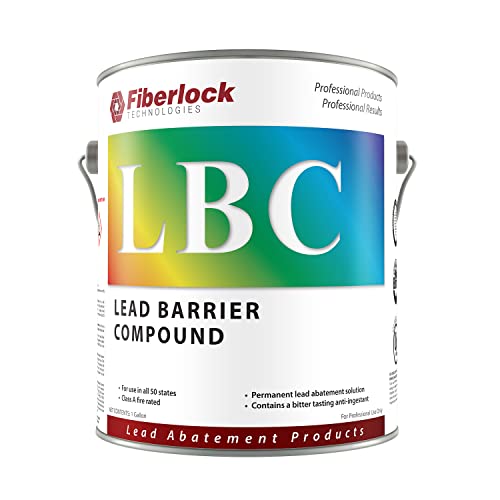
Lead Barrier Compound III is an encapsulant designed to form a durable barrier over lead-based paint surfaces. It is a white, industrial solution intended for both indoor and outdoor use, meeting EPA and HUD expectations for lead encapsulation. The product is Class A fire rated and UL Classified, with anti-ingestant properties to discourage accidental ingestion during cleanup and maintenance, providing a long-term containment strategy when removal is not feasible.
Bates- Paint Scraper 10-in-1 Tool
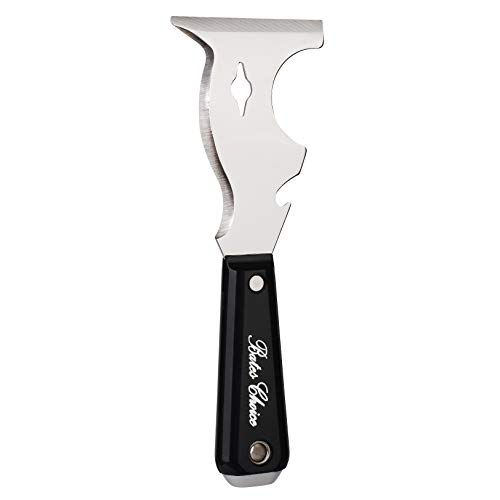
The Bates Choice 10-in-1 painter’s tool serves as a versatile scraper and putty knife for removing loose paint, scraping surfaces, and applying joint compounds. Made with rust-resistant steel and a wood grip, it is designed for durability during prep work in environments where lead paint is present. A multipurpose tool is valuable for tidying edges and preparing surfaces for encapsulation or removal.
Buying Guide: Key Purchase Considerations For Lead Paint Removal
- Remediation approach: Decide between complete removal systems (chemical paint removers) and containment strategies (encapsulants) based on substrate, lead risk, and renovation plans.
- Protection gear: Use certified respirators (P100/N100) with proper fit and eye protection to minimize inhalation exposure to lead dust and vapors.
- Surface compatibility: Confirm that chosen products are suitable for the target substrate (wood, masonry, metal, plaster, etc.) to prevent damage or ineffective treatment.
- Regulatory compliance: Ensure products meet EPA and HUD guidelines for lead abatement and disposal, and follow local regulations for waste handling.
- Application conditions: Consider environmental factors, such as ventilation and temperature, which can influence chemical efficacy and drying/curing times.
- Long-term safety: For outdoor or heavily contaminated sites, consider a permanent encapsulation approach when removal is impractical or risky.
- Cost and logistics: Weigh the total system cost (removers, protective gear, disposal methods) against project scope and timeline.
<liTesting and verification: Incorporate a reliable lead test kit to confirm the presence of lead before and after work, guiding safety measures and clearance.
In lead paint projects, combining an effective removal system with reliable protection and testing yields the best safety outcomes. Always follow manufacturer instructions and local regulations to manage lead exposure risks responsibly.