Choosing the right laminate flooring for a basement involves balancing moisture protection, subfloor prep, and easy installation. This guide highlights five top products that help basement projects stay durable, quiet, and affordable. From moisture barriers and underlayment to self-adhesive tiles, these options address common basement challenges like dampness, uneven surfaces, and limited professional help.
Summary of chosen products:
| Product | Brand | Best For | Key Feature |
|---|---|---|---|
| BlueStep Underlayment with Moisture Barrier | Floorlot | Moisture protection for laminate and wood floors | Built-in moisture blocking film; reduces footstep noise |
| Moisture Barricade Underlayment Film | ROBERTS | Vapor barrier for vinyl, laminate, and engineered wood | 6 mil thickness; extends NWFA requirements |
| Multipurpose Foam Underlayment | MP Global Products | Moisture resistance and smoothing bumps | 100 sq ft roll; moisture resistant |
| Livelynine Peel‑and‑Stick Tiles | Livelynine | DIY basement updates with self-adhesive tiles | Removable; 18 planks; water resistant |
| FunStick 30 Pack Peel‑and‑Stick Tiles | FunStick | Budget-friendly basement tiling | 30 tiles; 12×12 inches; waterproof |
Floorlot BlueStep Underlayment

Floorlot BlueStep Underlayment with Moisture Barrier targets basement floors by combining moisture protection with noise reduction. The 200 sq ft roll is sized for typical basement spans without frequent seams. The built-in moisture blocking film eliminates the need for extra barrier layers, simplifying installation. It also provides standard sound absorption to reduce the hollow echo common with floating floors in basements, creating a quieter living space. This underlayment pairs well with laminate and wood floors, helping define a more stable subfloor surface in damp environments.
Why it matters for basements: Basements frequently contend with higher humidity and occasional damp pockets. A dedicated moisture barrier is crucial to preserve the floor’s appearance and performance over time. Floorlot’s 200 sq ft roll reduces waste on larger basement layouts and supports a smoother feel underfoot, improving overall comfort in rooms like family spaces, home offices, and rec rooms.
ROBERTS Moisture Barricade Underlayment Film

ROBERTS Moisture Barricade Underlayment Film is a dedicated vapor barrier designed for vinyl, laminate, SPC, and engineered wood floors. With a 6 mil thickness, it provides robust moisture resistance while still offering workable flexibility during installation. The roll unfolds to a 10 by 12 foot area, enabling efficient coverage of typical basement subfloor sections without requiring excessive seams or waste. This barrier aligns with industry NWFA standards, helping ensure long-term protection against moisture-related damage.
Why it matters for basements: Vapor barriers are essential when concrete slabs or damp subfloors are involved. A reliable 6 mil film reduces moisture migration into the underlayment and the finished floor layers, supporting a more durable, stable floor surface—even in fluctuating basement humidity conditions.
MP Global Products PolyFoam Underlayment
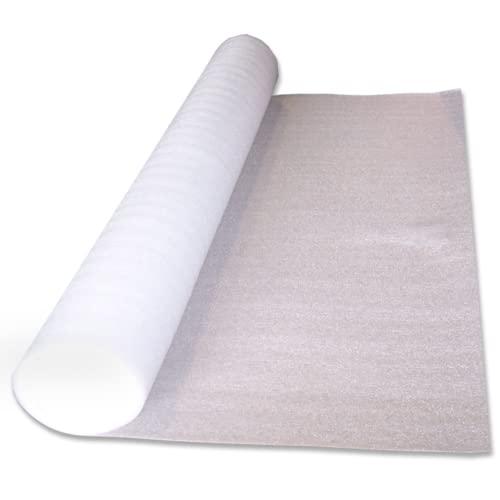
MP Global’s PolyFoam Multipurpose Underlayment is designed to bridge minor subfloor imperfections while delivering moisture resistance and shock absorption. The 100 sq ft roll (30 ft x 3 ft 4 in) is a compact choice for smaller basement areas or projects that require quick, straightforward installation. Foam underlayments can create a smoother surface for laminate and engineered wood, contributing to better feel underfoot and reduced noise transmission. The moisture barrier aspect helps shield flooring from long-term moisture exposure common in basements.
Why it matters for basements: Foam underlayments like PolyFoam balance cost and performance, especially on slightly uneven subfloors common in basements. Their cushioning layer helps even out minor irregularities, while the moisture barrier helps guard against moisture-related issues that can affect plank wear and squeaks over time.
Livelynine Peel‑And‑Stick Tiles (18-Pack)

Livelynine’s 18-pack of peel-and-stick tiles provides a DIY-friendly approach for basement refreshes. Each tile measures 6×36 inches with a thickness of 1.5mm, offering a fast upgrade for basement floors without adhesives or professional installation. The tiles are designed to be removable, allowing easy replacement or relocation if basement setups change. They feature a dark wood aesthetic with water resistance suitable for basements, and can be applied to existing floors where the surface is clean, dry, and flat.
Why it matters for basements: Self-adhesive tiles are ideal for basement projects where moisture risk and budget constraints are factors. The ability to remove tiles without damaging the underlying flooring can be especially advantageous in basements used for recreation or temporary living spaces, where layouts may evolve over time.
FunStick 30 Pack Peel‑And‑Stick Tiles

FunStick’s 30-pack peel-and-stick tiles provide a budget-conscious option for basement floors. At 12×12 inches per tile and 0.06 inch thickness, this set covers roughly 27.6 square feet per package, making it a practical choice for smaller basement areas or accent spaces. The tiles are described as waterproof and moisture-resistant, offering a straightforward install that requires no tools beyond a utility knife for trimming. They’re designed to be renter-friendly, with the potential to be removed without leaving residue or damage on the base surface.
Why it matters for basements: For DIY projects or temporary basements, peel-and-stick tiles deliver fast updates without structural work, while providing water resistance suitable for basement environments. This makes it easy to experiment with design while maintaining a functional, easy-to-clean surface.
Buying Guide: Key Considerations For Basement Laminate Flooring
When selecting laminate flooring and accessories for a basement, consider moisture control, surface preparation, installation method, and long-term maintenance. Here are important factors and how different options compare.
- Moisture protection: Basements are prone to higher humidity. Look for products with built-in moisture barriers (underlayments with foil or film layers, moisture barricades) to minimize moisture transfer to the top laminate layer.
- Subfloor condition: Ensure the subfloor is clean, dry, and flat. Some underlayments are designed to bridge minor unevenness, while self-adhesive tiles can conceal small imperfections if evenly applied.
- Installation method: Underlayment and barriers require alignment and seam sealing, while peel-and-stick tiles offer quick, tool-free installation. Choose based on time, budget, and desired permanence.
- Acoustic performance: Basement living spaces benefit from sound reduction. Underlayments designed for noise absorption help reduce footstep sounds and echo in larger rooms.
- Durability and maintenance: For basements used as living spaces, select materials that resist moisture, staining, and wear. Self-adhesive tiles offer flexibility and ease of replacement if a spot gets damaged.
- Warranty and compatibility: Check compatibility with laminate thickness, subfloor type (concrete, wood), and warranty terms. Some products are specifically designed for concrete slabs and moisture-prone areas.
- Budget and room size: For larger basements, roll-based underlayments save time and reduce waste. For quick updates in smaller zones, peel-and-stick tiles can be cost-effective and customizable.
In summary, a basement flooring project benefits from combining moisture protection with a stable surface, choosing between underlayment and barriers for longer-term durability, or opting for self-adhesive tiles for fast, flexible updates. Balancing cost, installation time, and anticipated humidity levels will guide the best overall choice for each basement space.