When refining cotton shirts, choosing the right iron-on interfacing or patches can improve drape, structure, and longevity. This guide highlights five relevant products that help reinforce seams, collars, and hems or repair worn areas without sewing. Each selection is suitable for common cotton fabrics found in shirts, blouses, and casual wear. Explore options from neutral white interfacing to linen-blend patches for natural finishes, along with practical dress shirt possibilities from respected brands.
| Product | Use Case | Material Focus |
|---|---|---|
| PLANTIONAL 44″ X 2 Yards White Medium Weight Interfacing | Backing for collars, cuffs, plackets | 100% cotton |
| ZEFFFKA 12-Pack Linen Iron-On Patches | Repair and decoration on shirts and linen garments | 30% linen, 70% cotton |
| PLANTIONAL 44″ X 2 Yards White Heavy Weight Interfacing | Bulky or structured areas on shirts | 100% cotton |
| BENECREAT 44.5×39 Inch Black Cotton Interfacing | Dark or black fabric backing; general garment interfacing | Cotton |
| Lion Nardo Dress Shirts | Wrinkle resistance and easy care for cotton dress shirts | 100% cotton |
PLANTIONAL 44″ X 2 Yards White Medium Weight Interfacing

Designed for natural cotton fabrics, this light-to-medium fusible interfacing provides a soft backing that enhances durability without adding excessive stiffness. It is compatible with a wide range of shirt components, including collars and cuffs, and is activated via heat for quick bonding. The product line offers weight options to suit delicate fabrics as well as sturdier cottons, giving sewers flexibility for different shirt styles.
ZEFFFKA Linen Iron-On Patches, 12-Pack

This set combines durability with a natural texture, offering patches crafted from 30% linen and 70% cotton. A breathable, textured surface blends well with lightweight fabrics, and a strong hot-melt adhesive ensures secure bonding without sewing. Ideal for repairing small to mid-sized holes or adding a decorative, natural look to linen and cotton shirts. Preheat the iron, apply pressure, and bond for a secure finish without steam.
PLANTIONAL 44″ X 2 Yards White Heavy Weight Interfacing
This heavier interfacing is designed for areas that require extra structure, such as collars, plackets, and front-facing panels on cotton shirts. Made from 100% cotton, it provides reliable support while staying compatible with a variety of shirt styles. The heat-activated adhesive bonds securely with a standard household iron, offering a time-saving alternative to traditional stays and hand-stitching. Weight options let crafters tailor stiffness to their project needs.
BENECREAT 44.5×39 Inch Black Cotton Interfacing
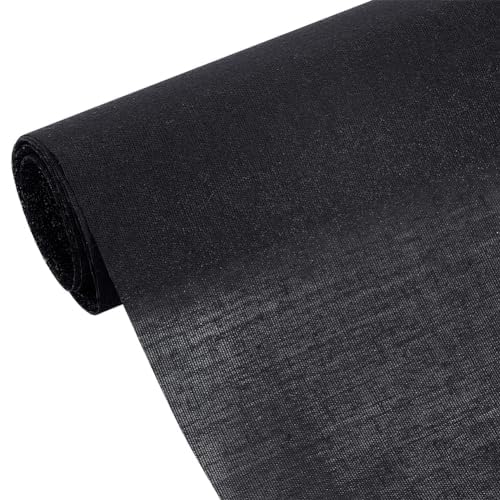
Black cotton interfacing provides a discreet backing for dark shirt fabrics, enabling crisp drape and support without visible bulk. The single-sided fusible interface bonds with a hot iron and is thin yet sturdy, ensuring comfortable wear and improved seam integrity. Its wide width makes it suitable for multiple shirt components, from yokes to collars, while maintaining flexibility for cutting and shaping.
J.Ver Men’s Classic-Fit Non-Iron Dress Shirt

Non-iron dress shirts combine wrinkle resistance with a classic fit, designed for formal and daily wear. The stretch-friendly fabric moves with the body, while special finishing helps resist wrinkles, reducing ironing time. The spread collar pairs well with ties and adds a polished look suitable for business and events. For cotton enthusiasts, these shirts demonstrate how fabric technology can maintain a crisp appearance with minimal maintenance.
Lion Nardo Dress Shirts: White Cotton

These white cotton dress shirts emphasize moisture-wicking comfort and a clean, pocket-free design for a streamlined look. The extra-long staple cotton provides softness and durability, with a wrinkle-resistant weave that complements non-iron or light-interfacing applications. The result is a wardrobe staple suitable for hot days and long meetings alike, combining breathable fabric with a crisp finish.
Buying Guide: Key Purchase Considerations For Cotton Shirt Projects
When selecting interfacing or patches for cotton shirts, consider the following factors to ensure the best results:
- Fabric weight and purpose: Choose light-to-medium interfacing for collars and cuffs, and heavier options for front plackets or areas needing extra stability. For repairs, linen-cotton patches can blend naturally with lighter garments.
- Bonding method: Heat-activated fusible interfacing saves time, but ensure you apply with the correct temperature and support (a pressing cloth is often recommended) to avoid scorching.
- Color and contrast: Black or dark interfacing is ideal for hidden seams on dark fabrics, while white or neutral tones suit light shirts. Patches should blend or complement fabric color and texture.
- Texture and finish: Linen-cotton blends offer a natural look and breathability, while smooth cotton interfacing yields a crisp yet comfortable result. Consider the intended drape of the shirt component.
- Care and maintenance: Interfacing should withstand washing without losing integrity. Patch materials should hold up to laundering and ironing cycles without fraying excessively.
- Ease of use: Patch applications with straightforward iron-on instructions save time, especially for beginners. For intricate shapes, pre-cut templates can help.
Comparisons: What To Look For In Interfacing And Patches
- Weight vs. stiffness: Lighter interfacing preserves drape; heavier variants add structure where needed, especially on collars and cuffs.
- Material compatibility: Pure cotton interfacing pairs well with cotton shirts, while linen-cotton patches suit linen or mixed fabrics for a natural finish.
- Bond strength: A strong adhesive reduces shifting during ironing but ensure removal or repositioning is feasible before final bonding.
- Color coordination: Dark fabrics benefit from matching backing, whereas white or light fabrics benefit from lighter backings to minimize visible edges.
- Durability: For shirts used often, choosing high-quality patches or interfacing supports long-term wear and reduces the need for frequent repairs.