Choosing the right insulation for a loft can dramatically improve energy efficiency, reduce drafts, and keep your home comfortable. This article reviews five top-rated options currently available on Amazon, covering attic door insulation, radiant barriers, natural fiber insulation, fiberglass, and reflective foam shields. Each product is evaluated on thickness, layering, vapor and moisture control, and applicability to typical American homes. Use the buying guide to compare installation considerations, R-values, and whether you need temporary or long-term insulation upgrades for loft spaces.
| Product | Brand | Key Benefit |
|---|---|---|
| Windspeed Attic Stairs Insulation Cover | Windspeed | Thick 4mm insulation with double-layer construction for doors |
| SmartSHIELD Reflective Insulation Roll | INSULATION MARKETPLACE | Reflective foil with 3mm foam for radiant heat resistance |
| Frost King CF1 Natural Cotton Insulation | Frost King | Natural cotton, multi-purpose, easy handling |
| Frost King SP1 Fiberglass Roll | Frost King | Fiberglass roll for versatile cut-to-size use |
| US Energy Reflective Foam Core Shield | Trade Winds | Vapor barrier, fire-rated, waterproof |
These options span door insulation, radiant barriers, natural fibers, and reflective foam, offering choices for airtightness, moisture resistance, and ease of installation. Consider the loft’s access type, local climate, and whether you need to address heat transfer from the roof or walls. The following sections detail five selected products with concise specifications to help you compare at a glance.
Windspeed Attic Stairs Insulation Cover

The Windspeed attic door insulation cover is designed for attic access doors, featuring a thicker 4mm insulation layer compared to standard door covers. It uses a double-layer aluminum construction with insulating bubbles in the middle, enhancing resistance to heat flow. The product advertises fire resistance, waterproofing, and moisture control, helping to maintain indoor temperatures by reducing heat loss in winter and heat gain in summer. Its zipper closure and 54×25×11 inch dimensions fit many common attic doors, making it a practical upgrade for loft access areas.
SmartSHIELD Reflective Insulation Roll
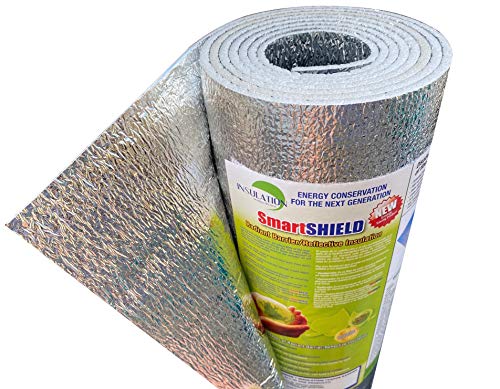
The SmartSHIELD roll features a 3mm closed-cell polyethylene foam core sandwiched between highly reflective engineered foil on both sides. It claims high radiant energy reflection, reducing heat transfer by up to 95% when properly installed. The product functions as a vapor barrier and is conçu for indoor or outdoor use. It’s listed as strong yet lightweight, with easy cutting and installation, making it suitable for loft spaces, walls, and other tight spaces where radiant heat is a concern.
Frost King CF1 Natural Cotton Insulation
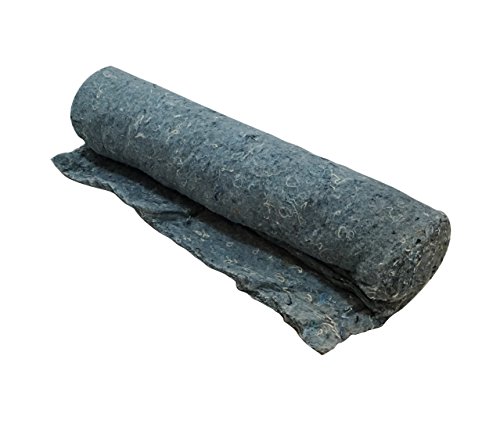
The Frost King CF1 is a natural cotton multi-purpose insulation option. It is marketed for insulating, cushioning, and noise dampening, with a safe, glove-free handling proposition. It is adaptable for pipes, ducts, walls, and other irregular spaces. This product emphasizes user-friendly installation and versatile usage beyond traditional loft insulation, offering a softer alternative to rigid batts or rolls while still contributing to thermal comfort and moisture management in loft areas.
Frost King SP1 Fiberglass Roll

The Frost King SP1 is a fiberglass insulation roll designed for flexibility and ease of shaping. With a 16″ width and 3/4″ thickness by 48″ length, it’s suitable for a variety of loft applications, including walls, pipes, and ductwork. Its advantages include good sound dampening and temperature control when cut to fit irregular spaces. Fiberglass is a common choice for cost-effective loft insulation, though proper installation with protective gear is advised to avoid skin or respiratory irritation during handling.
US Energy Reflective Foam Core Shield

This reflective shield from US Energy uses a foam core with a double-sided metalized film, intended as a vapor barrier and radiant heat shield. The product is marketed as waterproof and fire-coded, with an R8 equivalent rating. It’s designed to provide a lightweight, durable alternative for lofts and sheds where moisture and fire resistance are a priority. Installation typically involves cutting to size and sealing joints to maximize its barrier performance in loft spaces.
Buying Guide: Key Purchase Considerations
- R-value and heat transfer: Higher R-values improve insulation performance, but in lofts with radiant heat, reflective barriers (like SmartSHIELD) can significantly reduce cooling loads when properly installed.
- Moisture management: Loft areas are prone to humidity. Vapor barriers and moisture-resistant materials help prevent condensation and mold growth.
- Installation feasibility: Some products, such as attic door covers, are simple upgrades for existing access points, while foam and reflective foils may require more careful placement to maximize efficiency.
- Material choices: Natural fibers (like cotton) offer easier handling but may require more maintenance for moisture control, whereas fiberglass is cost-effective but requires protective gear during installation.
- Durability and safety: Fire ratings, waterproofing, and long-term performance matter for attic environments that experience temperature fluctuations and potential moisture exposure.
- Versatility: Some products serve multiple roles (insulation, sound dampening, cushioning) and can be used in pipes, ducts, walls, and attic doors beyond loft insulation.
- Climate alignment: In hot climates, radiant barriers and reflective foils can significantly reduce cooling loads; in colder regions, thicker insulation layers improve warmth retention.
When upgrading loft insulation, consider combining products to address both roof and door areas. For instance, pairing a door insulation cover with a radiant barrier can reduce both drafts through the attic access and radiant heat from the roof. Always follow product-specific installation instructions and safety guidelines to maximize performance and longevity.