Farmers and home gardeners growing strawberries face a persistent battle against pests like mites, thrips, aphids, whiteflies, and more. The right bioinsecticides can protect yields while supporting organic and integrated pest management (IPM) programs. Below are five leading products from Marrone Bio Innovations designed to combat common strawberry pests, with a focus on efficacy, resistance management, and regulatory status. This guide highlights how each product works, its best use cases, and practical application notes.
Summary of chosen products:
- Marrone Bio Innovations CG Bioinsecticide (White, Quart)
- Venerate CG Bioinsecticide (Gallon)
- Grandevo CG Bioinsecticide (Pound)
- Grandevo CG Bioinsecticide (4 Pound)
- Venerate XC Bioinsecticide 2.5 Gallon
MBI CG Bioinsecticide For Strawberries And More
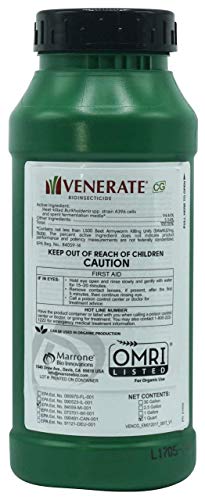
This CG formulation from Marrone Bio Innovations targets a broad spectrum of pests including aphids, leafhoppers, lygus, stink bugs, and thrips. It is suitable for use on strawberries and a variety of crops, offering a biological approach that aligns with IPM strategies. The product emphasizes multiple modes of action to help manage resistance and maintain long-term effectiveness in mixed pest populations.
Venerate CG Bioinsecticide For Strawberries

Venerate CG is designed for organic production and provides protection against mites, thrips, aphids, whiteflies, and leafhoppers. It supports integrated pest management programs and IRM strategies by offering a broad action spectrum while remaining compatible with organic labeling when applicable. This gallon-size option supports larger applications for commercial strawberry operations and longer-term pest suppression.
Grandevo CG Bioinsecticide For Strawberries
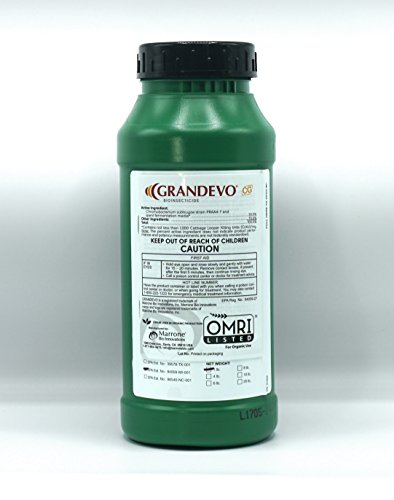
Grandevo CG targets mites, aphids, thrips, whiteflies, mealybugs, and other key pests affecting strawberries. It emphasizes SWD (spotted wing drosophila) management and resistance prevention through diverse modes of action. The product is OMRI and NOP listed, with an O-day pre-harvest interval and a four-hour re-entry interval, making it suitable for sensitive cropping windows and field use where rapid reentry is sometimes necessary.
Grandevo CG Bioinsecticide (4 lb) For Strawberries
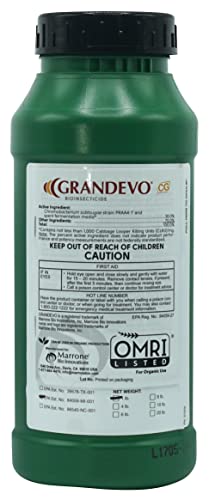
This larger Grandevo CG option covers mites, aphids, thrips, whiteflies, mealybugs, and SPOTTED WING DROSOPHILA with a 4-pound format. It emphasizes resistance management and offers a robust solution for larger strawberry operations seeking an effective, regulatory-compliant bioinsecticide. The product carries OMRI and NOP listings, supporting certification goals for organic or transition programs.
Venerate XC Bioinsecticide 2.5 Gallon

Venerate XC is derived from a Burkholderia species and offers multiple modes of action against adult and nymph stages of pests. This 2.5-gallon option supports larger, ongoing management programs for strawberry fields requiring sustained control. The combination of a modern microbial formulation with a broad target range makes it suitable for resistance management within IPM frameworks.
Buying Guide
Key factors for selecting an insecticide for strawberries include pest spectrum, application timing, regulatory status, and compatibility with organic and IPM programs. Biopesticides like those from Marrone Bio Innovations are favored for their targeted action and reduced non-target impact, but effectiveness can depend on environmental conditions, spray coverage, and product rotation.
- Pest profile: Identify the most pressing pests (mites, thrips, aphids, whiteflies, SWD). Choose products with proven efficacy against those species, noting any additional benefits like SWD management.
- Mode of action diversity: Rotate products with different modes of action to delay resistance development. Look for labels emphasizing multi-action mechanisms and IRM-friendly options.
- PHI and REI: Consider pre-harvest intervals and re-entry requirements to minimize disruption to harvest schedules and worker safety.
- OMRI/NOP status: If pursuing organic certification, verify organic listings on the label and in the product documentation to ensure compatibility with your program.
- Water compatibility and tank mix: Check compatibility with other agrochemicals and surfactants. Conduct small-scale compatibility tests to prevent phytotoxicity or reduced efficacy.
- Crop readiness: Strawberries have specific growth stages where protection is most impactful. Plan sprays around flowering, fruit set, and ripening windows to minimize residues on marketable fruit.
For pest management planning, consider combining these products with cultural controls and monitoring. Regular scouting, sticky traps for SWD, and timely applications can enhance overall yield and fruit quality while supporting sustainable practices. The products listed here aim to provide effective, regulatory-compliant tools that fit into diverse strawberry production systems across the United States.