Stay cool and focused during indoor cycling routines with purpose-built fans that optimize airflow, comfort, and performance. This guide highlights five top-rated indoor cycling fans, each chosen for effective cooling, easy integration with trainers, and flexible positioning. Whether you need high-velocity floor fans for big spaces or compact desktop models for studio rooms, these options help maintain optimal body temperature and endurance during workouts.
The following table summarizes the selected products, highlighting brand, primary use, and standout features to help you compare quickly before diving into full details.
| Product | Brand | Key Benefit | Notable Feature |
|---|---|---|---|
| Wahoo KICKR HEADWIND | Wahoo Fitness | Smart, sensor-driven airflow for cycling trainers | ANT+ sensor integration for speed/heart rate responsiveness |
| CYCPLUS Smart Indoor Cycling Fan | CYCPLUS | Adjustable wind with app and ANT+ control | BLDC motor, 5 speeds, ground base for versatile placement |
| Vornado FLY MAX High Velocity Floor Fan | Vornado | Strong room-wide airflow for training sessions | 180-degree pivoting head, four speeds, equipment strap option |
| Lasko High Velocity 15″ | Lasko | Powerful, portable cooling for gym or home studios | Three speeds, dual outlets, pivoting direction |
| Amazon Basics 20″ High Velocity Industrial Fan | Amazon Basics | Large-area cooling for garages and gyms | Three speeds, adjustable tilt, heavy-duty metal build |
Wahoo KICKR HEADWIND Indoor Cycling Fan
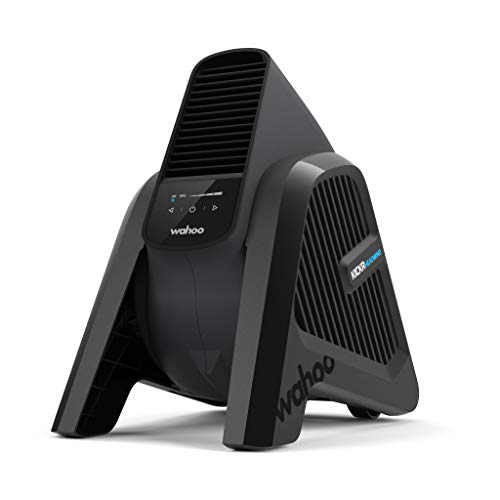
The Wahoo KICKR HEADWIND is designed for cyclists using indoor trainers and spin bikes. It delivers high airflow with speeds surpassing 30 mph, making it suitable for demanding intervals and hill climbs. The fan is engineered to replicate a cyclist’s body position, enhancing comfort as workouts intensify. Sensor-based control links with ANT+ devices or the smart trainer to automatically adjust speed in response to the athlete’s cadence or heart rate, creating a synchronized cooling experience without manual input. This integration helps maintain optimal performance during long sessions on a trainer.
Key considerations include compatibility with your trainer ecosystem, the reliability of sensor pairings, and whether you prefer automatic adjustments over manual wind control. For groups training in a studio setting, pairing multiple units can help maintain consistent airflow across athletes, though this may require setup planning to avoid draft interference.
CYCPLUS Smart Indoor Cycling Fan

The CYCPLUS Smart Indoor Cycling Fan uses a BLDC motor and wide centrifugal blades to deliver a powerful cooling breeze up to 50 km/h, helping riders stay comfortable through intense efforts. It supports five wind speeds and intelligent control by connecting to ANT+ sensors, power meters, or smart trainers. This feature allows the fan to adjust in real time based on workout data, ensuring the airflow matches the rider’s pace. A ground-based base provides flexible placement options, including front-facing airflow or upward direction for room-wide cooling.
Consider whether you want app control and real-time data responsiveness, as well as how you plan to position the base to avoid obstructing pedals or handlebars. The unit’s adaptability makes it suitable for near-trainer setups, cross-training spaces, and dedicated cycling studios where precise airflow can support endurance efforts and recovery periods.
Vornado FLY MAX High Velocity Floor Fan

The FLY MAX floor fan is built for total environmental fitness with a powerful 2300 feet per minute airflow that can simulate resistance during workouts by improving air movement around the room. Its four-speed settings allow users to tailor airflow to warm-up, intervals, or cooldown phases. The 180-degree pivoting head enables precise targeting of airflow toward the rider or across the entire room. For indoor cycling spaces, this model provides robust cooling without requiring ceiling installation or extensive setup, making it suitable for home gyms and studio environments where space efficiency matters.
When evaluating this option, consider room size and ceiling height, as high-velocity fans generate strong drafts that can affect comfort for nearby participants. The ability to orbit the airflow toward a specific zone can help ensure equitable cooling for multiple riders in larger rooms or group classes.
Lasko High Velocity 15″ Floor Fan

The Lasko 15-inch high-velocity fan provides a compact yet powerful option for cooling in smaller spaces like apartments, studios, or home gyms. With three speeds and dual outlets, it supports additional devices or accessories alongside cooling airflow. The pivoting head directs air where needed, and the portable design—including a sturdy handle—allows easy relocation between rooms or workout zones. For cyclists training in tight spaces, this model delivers effective airflow without dominating floor space, helping maintain comfort during longer sessions.
Consider the balance between size, airflow, and power consumption. If you frequently train in smaller rooms or need to move the fan between locations, a lighter, more portable unit can be advantageous. For riders who require dual outlet capability to power other devices, this model adds practical versatility.
Amazon Basics 20″ High Velocity Industrial Fan

The Amazon Basics 20-inch high-velocity industrial fan is designed for large spaces such as garages, gyms, or workshops. It delivers up to 3,542 CFM to quickly circulate air across wide areas, which can help maintain comfort during group rides or long endurance sessions. The unit uses a rugged metal housing and three heavy-duty blades for durability in high-use environments. With three speeds and an adjustable tilt head, users can direct airflow precisely where needed. This fan is a practical choice for larger home gyms or studio spaces that require robust, ongoing cooling.
When selecting a larger industrial model, assess the space requirements, mounting options, and noise tolerance. A heavy-duty fan can move air efficiently in big rooms, but louder operation or heavier weight may influence placement and floor plan decisions in a home studio or small commercial gym.
Buying Guide: Key Purchase Considerations For Indoor Cycling Fans
- Airflow and speed range: Choose fans with adjustable speeds and sufficient CFM or mph to meet workout intensity. Higher speeds benefit hot, high-intensity intervals, while lower speeds support warm-ups and recovery.
- Placement and flexibility: Look for pivoting heads, adjustable tilts, and sturdy bases. Ground-based units offer versatile positioning, while compact models fit tight spaces without crowding equipment.
- Smart and sensor integration: Fans that synchronize with bike trainers or wearables can automatically adjust airflow based on cadence, resistance, or heart rate. Consider compatibility with your current trainer ecosystem.
- Durability and noise: Heavier, metal-bodied fans tend to endure long sessions in busy studios, garages, or gyms. If noise is a concern, review decibel ratings or user feedback in related models.
- Portability vs. power: Portable fans are easy to move between rooms or equipment, but may offer less power. Larger industrial or high-velocity models deliver more air in bigger spaces but require more space and setup planning.
- Additional features: Outlets, remote control, straps, or carry handles can add convenience for workouts that require equipment mobility or hands-free operation.
- Maintenance: Check for blade accessibility and routine cleaning requirements. Durable coatings and simple designs can reduce maintenance time.
When evaluating options for indoor cycling, align the fan choice with your space size, the number of riders (if in a studio), and how closely airflow needs to target individuals. For trainer-integrated setups, prioritize models with smart control capabilities to automate cooling during escalating efforts. In larger studios, combining multiple units with coordinated placement can maintain consistent comfort for all participants while avoiding direct drafts that disrupt balance or form.