Choosing the right heat reflective coating can reduce heat transfer, lower surface temperatures, and improve energy efficiency for buildings, vehicles, and equipment. This article highlights five leading options and explains how reflective pigments, ceramic microspheres, and heat-shield technologies work. Each product section provides key features and practical uses to help you compare performance, durability, and ease of application.
| Product | Brand | Format | Key Benefit |
|---|---|---|---|
| Heat Reflective Paint – Industrial Grade Thermal Barrier Insulating Coating (2 Quarts) | Chemicar | 2 Quarts | Thermal insulation with ceramic microspheres |
| Heat Reflective Paint – Industrial Grade Thermal Barrier Insulating Coating (4 Quarts) | Chemicar | 4 Quarts | Higher coverage with same reflective tech |
| ThermaCels Insulating Paint Additive 1 Gallon | Hy-Tech Thermal Solutions | 1 Gallon | Mixes into any paint for insulation |
| Rust-Oleum 214944 Specialty Reflective Finish Spray | Rust-Oleum | 10 oz | Spray-on reflective coating for quick projects |
| FLASLD Aluminized Heat Shield Mat 12″ x 24″ | FLASLD | 12″ x 24″ | High-temp reflective heat barrier mat |
Heat Reflective Paint – Industrial Grade Coating (2 Quarts)

Chemicar’s TK88 White Reflective Heat Paint is designed for roofs and walls of buildings, RVs, buses, refrigerated trucks, ambulances, and roll-up doors. It’s a water-based polymer coating that uses ceramic microspheres to provide thermal insulation and reduce heat transfer. The coating reflects radiant heat and lowers surface temperatures, making roofs, metal buildings, and vehicles less prone to heat buildup.
- Reflects heat and lowers surface temperature by up to 16°F (9°C)
- Good UV resistance and low thermal conductivity (k ≈ 0.049 W/mk)
- Energy-efficient, cost-saving option for hot-prone surfaces
Heat Reflective Paint – Industrial Grade Coating (4 Quarts)

This larger quart-size option from Chemicar mirrors the benefits of the 2-quart variant, offering extended coverage for larger roofs and walls. The same ceramic microsphere technology delivers radiant heat reflection, improved indoor comfort, and potential energy savings in large applications like storage facilities, RVs, and metal structures.
- High reflectivity with durable polymer matrix
- Excellent UV resistance for outdoor use
- Suitable for roofs, walls, metal buildings, and vehicles
ThermaCels Insulating Paint Additive
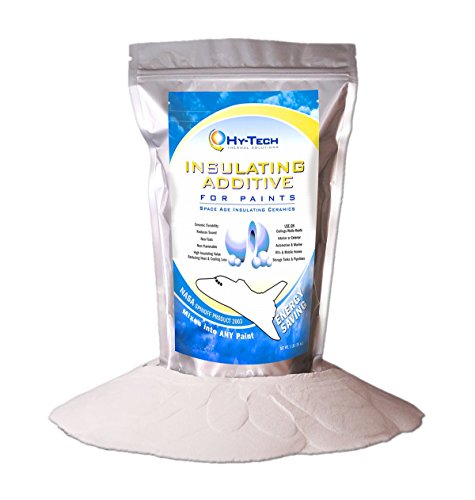
Hy-Tech Thermal Solutions’ ThermaCels is an insulating paint additive designed to be mixed into any paints or coatings without altering their base properties. It provides insulation benefits to reduce heat flow and cooling losses, helping to lower heating and cooling energy use across various surfaces without needing a specialized coating.
- Can be mixed into existing paints or coatings
- Does not change the base paint properties
- Helps reduce heating and cooling costs
Rust-Oleum Reflective Finish Spray

Rust-Oleum’s Specialty Reflective Finish Spray is formulated to illuminate and reflect light on interior or exterior surfaces. It’s suitable for metal, wood, plastic, concrete, and masonry, and dries to the touch quickly. This spray-on option is ideal for quick reflective accents on tools, panels, or accent surfaces where radiant heat may be a concern.
- Reflective coating for multiple substrates
- Quick-drying and easy to apply
- Home and workshop friendly
FLASLD Aluminized Heat Shield Mat
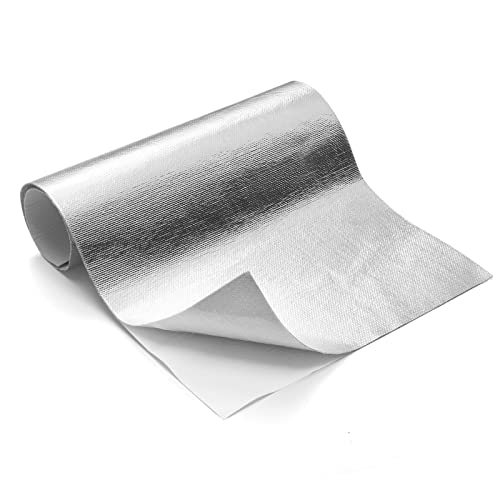
FLASLD’s aluminized heat shield mat provides high-temperature reflective protection for surfaces exposed to radiant heat. The adhesive-backed fiberglass mat is flexible, durable, and designed to screen heat effectively. It’s suitable for automotive components, engines, and other areas where radiant heat could cause damage.
- High-temperature resistance and reflective surface
- Adhesive backing for straightforward installation
- Available in practical 12″ x 24″ size
BBTO Aluminum-Fiber Heat Shield Sheets

BBTO’s larger aluminized fiberglass heat shield sheet is designed for high-temperature protection across various surfaces. The adhesive-backed barrier is easy to cut and shape for hoses, engines, and exposed components, delivering reflective heat shielding where space is available for installation.
- Large size with easy trimming
- High-temperature resistance and reflective surface
- Adhesive backing for clean installation
WISAUTO Aluminized Heat Shield Blanket
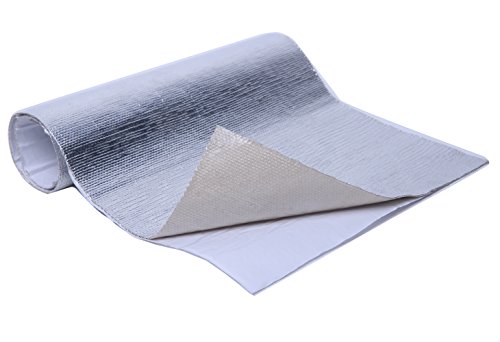
WISAUTO’s aluminized heat shield blanket provides a compact, adhesive-backed barrier rated for radiant heat. Its reflective surface helps maintain surface temperatures while offering flexible installation options for automotive and other heat-prone environments.
- Reflective protection against radiant heat
- Adhesive-backed for simple application
- Ideal for automotive and other heat-prone areas
FLASLD Aluminized Heat Shield Mat (Alternative Size)
This alternative size option from FLASLD offers flexible installation for projects requiring a more compact heat shield. The aluminized surface reflects radiant heat while the backing supports clean adhesion across surfaces prone to intense temperatures.
- Compact, adaptable dimensions
- High-temperature reflective protection
- Convenient adhesive-backed design
Buying Guide: Key Purchase Considerations For Heat Reflective Coatings and Barriers
-
<liSurface type and exposure: Roofs, walls, vehicles, and engine bays may benefit differently from coatings, sprays, or heat shield sheets. Consider color reflectivity, UV resistance, and weather exposure.
<liHeat protection mechanism: Ceramic microspheres, reflective pigments, and aluminized barriers all reflect radiant heat. Decide whether you need a coating, a paint additive, a spray, or a barrier sheet for your application.
<liApplication method and ease: Roll-on, brushable coatings, spray products, or adhesive-backed sheets each require varying levels of preparation and time. Pick a method that fits your skill level and project scope.
<liDurability and maintenance: UV resistance, abrasion tolerance, and long-term durability affect upkeep. Exterior uses demand more robust formulations.
<liSafety and compatibility: Check for low-VOC formulations, solvent compatibility with existing surfaces, and any surface prep requirements before applying.
<liEnergy efficiency impact: While not a price guide, consider expected energy savings from reduced heat transfer, which can guide the choice between a coating and a barrier system.
<liCoverage and cost per area: Compare coverage rates per can or per sheet and determine total material needs for your project to estimate overall cost and labor.
<liWarranty and manufacturer guidance: Review product warranties and suggested uses to ensure the choice aligns with your application plan.