Metal buildings demand rugged gutter protection that resists rust, debris buildup, and severe weather. The following hand-picked products are designed to fit 5 to 7-inch gutters used on commercial, agricultural, and industrial metal structures. This guide highlights durable guards and filters that improve water flow, reduce maintenance, and extend roof longevity for metal buildings across the United States.
| Product | Brand | Key Benefit |
|---|---|---|
| A-M Gutter Guard – Heavy Duty | A-M Gutter Guard | Rust-proof aluminum, lifetime warranty, virtually invisible |
| RAPTOR GUTTER GUARD – 48 FT. | Raptor Gutter Guard | Stainless steel micro-mesh, DIY-friendly, strong water flow |
| GutterBrush Commercial 8 Inch | GutterBrush | 8″ wide, easy DIY install, large gutter compatibility |
| FlowGuard USA Made | FLEXXPOINT | USA-made, three-point design, debris exclusion with high water flow |
| Gutter Guard by Superior 6″ | Superior Gutter Guards | Stainless-steel micro mesh, contractor-friendly |
A-M Gutter Guard: Heavy-Duty Aluminum Leaf & Debris Guard
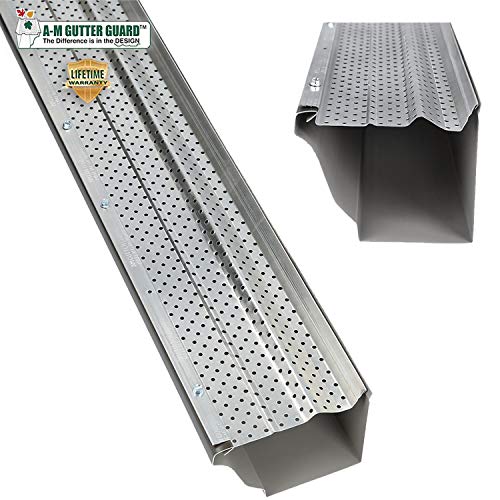
A-M Gutter Guard offers a heavy industrial aluminum solution designed to resist rust and corrosion, an important feature for metal structures exposed to moisture and salt air. Constructed from 0.018-inch aluminum, this guard claims a lifetime warranty against rust and self-deterioration. It is designed to work with hidden hangars and K-style hangars alike, ensuring compatibility with typical metal building eave assemblies. The design includes a dense array of perforations that allow rainfall to pass through while minimizing debris penetration, maintaining clear gutters with minimal maintenance.
The product emphasizes compatibility with various roof systems and claims not to void roof warranties. With a stated hole pattern of 380–1/8 inch (per linear foot), it aims to balance debris filtration with consistent water flow. While the description highlights a low-profile appearance from ground level, buyers should verify fitment for their specific gutter width and mounting style. This option suits metal buildings seeking long-term, rust-free protection without frequent replacements.
Key considerations: compatibility with 5- or 6-inch gutters, installation ease, and long-term warranty coverage. For metal buildings with exposed eaves and frequent downpours, A-M Gutter Guard offers a robust, low-maintenance solution.
RAPTOR GUTTER GUARD – Stainless Micro-Mesh (48 FT Kit)

RAPTOR Gutter Guard is a contractor-grade stainless steel micro-mesh system designed for 5-inch gutters and smaller. The 48-foot kit includes self-tapping screws and is marketed as DIY-friendly, making it a practical choice for building maintenance staff or knowledgeable homeowners involved in metal-building upkeep. The stainless steel mesh offers excellent resistance to rust and warping, supporting longer service life in harsh weather conditions.
Core features include V-Bend and Trough Technology, which optimize water flow, increase rigidity, and improve filtration. This design aims to reduce debris buildup while maintaining efficient drainage. For metal buildings facing seasonal storms or heavy rainfall, the RAPTOR system emphasizes durability, ease of installation, and reliable performance over time.
Buying tips: confirm gutter width compatibility, check kit contents, and consider how the micro-mesh may interact with seasonal debris (conifers, pine needles, or heavy leaf fall) common to the building’s location.
NACETURE 50 Pack Stainless Steel Gutter Clips

NA CETURE offers heavy-duty stainless steel gutter clips intended for 5″ K-style gutters on metal buildings. While described as light hooks for outdoor applications, the clips appear aimed at securing Christmas lights or seasonal hangers rather than structural gutter protection. They are designed to resist rust and corrosion, with emphasis on outdoor use across diverse weather conditions and seasonality.
Notes for buyers: verify product suitability for your gutter system’s style and gauge, ensure compatibility with existing attachments or gutter guards, and consider how the clips will integrate with any decorative or light-hanging installations. The listing emphasizes outdoor resilience and ease of use for temporary or seasonal installations.
GutterBrush Commercial Gutter Guard 8 Inch

GutterBrush 8 Inch is designed for large metal and commercial gutters, including those on schools, churches, and industrial facilities. The kit uses wide bristles to fill the gutter channel, promoting steady water flow while trapping leaves, twigs, and roof debris. The 27-foot kit is DIY-friendly and does not require tools, making installation straightforward for metal buildings with 8-inch gutters or larger.
Key advantages include quick installation, reduced maintenance, and compatibility with wide gutters common on large metal structures. The brush design aims to prevent clogs by creating a debris-trapping barrier without impeding rainfall. For facilities with frequent occupancy or heavy rainfall, this option provides a proactive approach to protecting gutter channels.
GutterBrush Commercial Gutter Guard 6.5 Inch

This GutterBrush option targets 7-inch gutters with a 6.5-inch diameter brush section, offering DIY installation with no tools required. It’s designed for large metal gutters found in churches, schools, and other big facilities. Installing 108 feet of brush sections is feasible in a short time, and the product is intended to fill the gutter channel for full coverage while maintaining water flow.
Highlights include a tool-free setup, a focus on large gutters, and a persistent emphasis on debris blocking without sacrificing drainage. For metal buildings with extensive gutter runs, this kit provides a scalable solution that can be adapted to various lengths and configurations.
Gutter Guard by Superior 6″ 48ft Kit
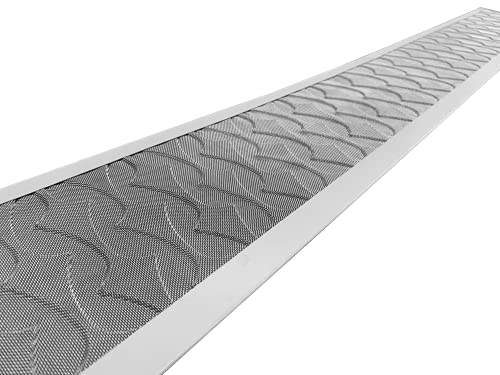
Superior Gutter Guards offer a stainless-steel micro-mesh solution with a patented raised design. The 6″ 48ft kit is pitched as contractor-friendly and DIY-friendly, designed to handle harsh weather while redirecting debris away from the gutter channel. Its raised mesh and micro-structure aim to prevent debris buildup and promote consistent rainwater flow into the system.
Considerations for metal buildings include the kit’s compatibility with 6″ gutters, the level of debris filtration, and installation complexity. The design emphasizes durable materials and reliability in challenging environments, which can be important for large metal facilities with extensive gutter runs and high exposure to windborne debris.
Buying Guide: Key Purchase Considerations for Guttering On Metal Buildings
- Gutter size compatibility: Confirm the system supports 5″, 6″, or 7″ gutters as used on your metal building, and check whether guards require modifications for non-standard profiles.
- Material and corrosion resistance: For coastal or humid climates, prioritize stainless steel or aluminum guards to minimize rust and staining on metal facades.
- Debris type and drainage needs: If the location has heavy pine needles, seeds, or leaf fall, favor dense micro-mesh designs or bristle-based guards that balance filtration with continuous flow.
- Installation method: DIY-friendly options save labor costs, but ensure you have the correct tools or compatible screws. Some products are tool-free, while others require basic fasteners.
- Warranty and maintenance: Look for warranties that cover rust, corrosion, and self-deterioration. A long-term warranty reduces lifecycle costs and downtime for maintenance.
- Wind and weather performance: In exposed areas, three-point flow designs or reinforced mounts help resist lifting or deformation during storms.
- Compatibility with existing systems: Some guards work with standard hangars, while others fit only specific gutter designs. Verify compatibility with downspouts and roof warranties.
- Color and aesthetics: For visible eaves, select finishes that blend with your building trim or offer a neutral appearance that remains unobtrusive.
In choosing gutters and guards for metal buildings, weigh durability, ease of installation, and long-term maintenance against upfront costs. Manufacturer specifications, local climate, and building geometry should guide the final selection to ensure optimal rainwater management and minimal upkeep.