Finding the right glue for vinyl dashboards means choosing products that bond strongly, stay flexible, and resist sun, heat, and humidity. This guide highlights top vinyl repair adhesives and related cement glues well-suited for dashboards, headliners, and other vinyl interiors. Each selection emphasizes durability, safety (tluene-free options when available), and ease of use, so you can restore a cracked or peeling dash with confidence.
Summary of chosen products:
| Product | Brand | Key Benefit | Typical Use |
|---|---|---|---|
| ATG Car Dashboard Repair Kit | ATG | Flexible repair for leather & vinyl with pattern-matching surface paper | Dash cracks, mounting-hole repairs, pattern-matched fills |
| Umadit Vinyl Cement | Umadit | Strong adhesion, waterproof, UV-resistant | Vinyl and PVC repairs on inflatables, pool liners, tarps |
| HH-66 Toluene Free Vinyl Cement (1 oz) | RH Adhesives | Toluene-free for safer use; versatile on vinyl and PVC | Sealing seams, patches, decals, moldings |
| Headliner Repair Glue 125ml | Generic | Built-in brush; strong bond on fabrics and vinyl | Automotive headliners, fabric-vinyl interfaces |
| HH-66 Vinyl Cement (4 oz) | RH Adhesives | Sturdy and flexible; interior vinyl repairs | Inflatables, pool liners, tarps, mats |
ATG Car Dashboard Repair Kit

The ATG dashboard repair kit is designed for versatility on automotive interiors. It targets mounting holes created by devices like CB radios and speakers, while the included surface patterning paper helps the repair blend with the dashboard texture. The repair material stays flexible after drying on leather surfaces, and a hardening powder is available for use on harder substrates such as polyurethane, plastic, and vinyl. This kit is positioned as a cost-saving option because its epoxy-based repair material can be used repeatedly across various dashboard areas, making it a practical choice for both minor blemishes and larger cracks.
Product highlights include: flexibility after cure, pattern-matching surface paper, and a hardening option for tougher substrates. This makes it a solid option for dash repairs that require both strength and visual continuity. When working with leather- or vinyl-wrapped dashboards, users should follow the included guidance to ensure the color and texture remain consistent after repair.
Usage notes: Prepare the surface, apply the repair compound, and use the hardening powder where needed for rigidity on hard plastics. The kit’s durability means it can be used across multiple spots, potentially reducing the need for full dash replacement. For best results, test a small area first and allow sufficient curing time per instructions.
Umadit Vinyl Cement

Umadit Vinyl Cement is a versatile waterproof adhesive designed for vinyl and PVC repairs across a range of items, including inflatable gear and pool equipment. It offers strong adhesion to seal punctures, tears, and holes while maintaining a flexible bond that resists bending and leakage. Its waterproof properties extend to underwater use, and UV resistance helps prevent yellowing from sun exposure. The product is packaged with an application brush, facilitating accurate and even coverage, which is especially helpful for dashboard seams and vinyl surfaces that require a neat finish.
Key considerations: compatibility with vinyl and PVC, flexible curing, and sealing performance. This cement is well-suited for temporary or semi-permanent dash repairs where moisture exposure is possible, such as closed vehicle interiors or summer heat scenarios. Its brush applicator and quick-drying nature can simplify repair tasks for DIY enthusiasts.
HH-66 Toluene Free Vinyl Cement (1 oz)
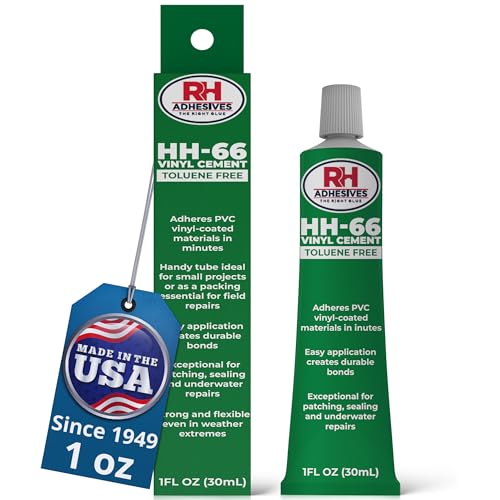
RH Adhesives’ HH-66 Toluene Free Vinyl Cement focuses on safer use by eliminating toluene while delivering reliable vinyl repair capabilities. The 1-ounce tube is ideal for smaller projects and on-the-go applications where a lightweight, odor-reduced option is beneficial. This cement works on a range of materials beyond vinyl, including PVC vinyl, canvas, cork, fiberglass, and some fabrics, which makes it a flexible choice for dash repairs that may involve seams or small patches. The absence of toluene reduces health and environmental concerns during use in confined vehicle interiors.
Strengths include safety with a toluene-free formula, versatility across surfaces, and a manageable tube size that supports quick, localized repairs. For dashboard repairs, plan for multiple small applications rather than one large layer to preserve surface texture and avoid overapplication.
Headliner Repair Glue 125ml
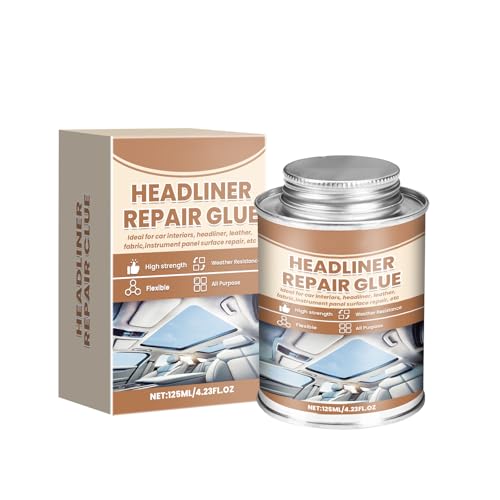
The Headliner Repair Glue provides a built-in brush for precise application and is designed for bonding fabric and vinyl in automotive interiors. With a flexible, odorless formula, this adhesive dries clear and preserves the original texture of automotive fabrics by avoiding hardening or residue. It is rated for temperature tolerance across wide ranges, from -40°F to 200°F, and resists humidity, making it suitable for year-round use inside vehicles. This product is especially appealing for headliner repairs, where a clean, seamless bond is essential to maintain a premium interior look.
Considerations include odor control, bonding to both porous and non-porous surfaces, and long-term resilience under varying cabin conditions. The included brush helps apply the right amount without over-saturation, aiding in a natural finish that matches surrounding vinyl and fabric finishes.
HH-66 Vinyl Cement (4 oz)

RH Adhesives’ HH-66 Vinyl Cement in a larger 4-ounce can is designed for more substantial repairs on vinyl interiors. It emphasizes durability, flexibility, and ease of application with smooth brush-on or roller use. The cement is formulated for adhesives in tough conditions, maintaining malleability underwater or in humid environments, which is beneficial for repaired dashboards that may experience condensation or rain exposure from leaks. It supports a wide range of repair scenarios—from patches on torn vinyl to reinforcing seams and mat surfaces.
Users should prepare the surface, apply a thin, even layer, and allow adequate curing time to achieve maximum adhesion. The product’s strength when cured helps prevent re-cracking and peeling in high-heat conditions typical of many American climates.
Buying Guide: Key Purchase Considerations And Comparisons
- Material compatibility: Decide whether you need vinyl-only or mixed-material adhesives. Some products work across vinyl, PVC, fabric, and leather, offering flexibility for dashboards, headliners, and door panels.
- Flexibility vs. rigidity: Dash surfaces require some elasticity to prevent cracking with temperature fluctuations. Look for products that stay flexible after curing or offer a hardening option where needed.
- Safety and solvents: Toluene-free formulas are safer for enclosed vehicle interiors. Consider odors, fumes, and user safety, especially for DIY repairs inside a car.
- UV and water resistance: Vehicles face sun exposure and humidity. UV-stable and waterproof adhesives help maintain color, prevent yellowing, and protect repairs over time.
- Ease of use: Brush applicators, built-in brushes, or pattern-matching sheets can simplify application. For novices, user-friendly products with clear curing times reduce errors.
- Bonding surfaces: Decide if you need adhesion for leather, vinyl, fabric, or mixed materials. Some products excel on hard plastics, while others are optimized for fabric-backed surfaces.
- Repair scope: For dashboards, consider whether you’re addressing small cracks, holes, or larger damaged areas. A kit with multiple components or options (flexible epoxy, powders, or hardeners) offers broader applicability.
- Curing and finish: Some products dry clear and non-sticky; others require masking or may leave texture differences. Test on a hidden area first to gauge texture and color compatibility.
- Brand and availability: Reputable brands with consistent packaging and clear usage instructions help ensure predictable results. Availability via major retailers or Amazon can affect timing for repairs.
- Cost per repair: For larger dashboard repairs, consider the total number of applications possible from a single container. Reusability and refill options can lower long-term costs.
These selections collectively provide reliable options for tackling vinyl dashboard repairs and related interior vinyl work. When choosing, prioritize compatibility with your dashboard’s material (vinyl, leather, PVC), the repair’s scope, and the environment where the vehicle is used. Always follow product-specific instructions for surface preparation, application, and curing times to maximize adhesion and durability.