Basement spaces often need a balance of privacy, light, and security. Glass block windows offer a practical blend of natural illumination, weather resistance, and added security without sacrificing privacy. This guide highlights five top options that combine clean aesthetics with reliable performance for basement projects in American homes. Each selection emphasizes ease of installation, light transmission, and durability, helping you choose the best fit for remodeling or new builds.
Summary of chosen products
| Product | Brand | Key Benefit |
|---|---|---|
| Seves Glass Block 6x6x4 Nubio | Seves Glass Block | Moderate light with white bond coating for mortar adhesion |
| Quality Glass Block 8x8x4 Nubio | Quality Glass Block | Bright finish with wave texture and good light transmission |
| Seves Glass Block 8x8x3 Aktis | Seves Glass Block | Compact 8×8 footprint with fire-rated capability |
| Seves Glass Block 4x8x3 Nubio | Seves Glass Block | Versatile rectangular block for varied layouts |
| 1608 Hopper Vent Window for Glass Blocks | Advantage Vent | Ventilated options with double-pane, frosted sash |
Seves Glass Block 6x6x4 Nubio Glass Block
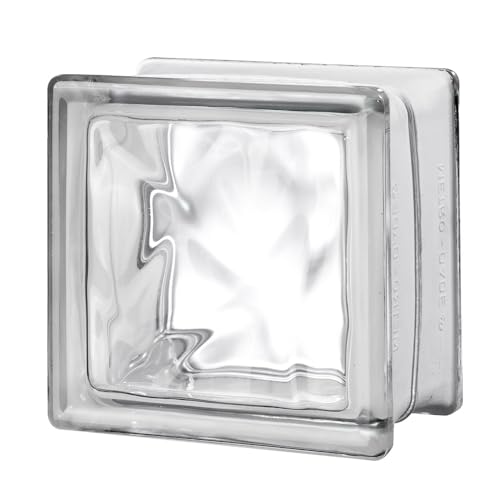
The Seves 6x6x4 Nubio glass block offers a compact square footprint ideal for basement light wells and small openings. Actual size measures 5.75″ x 5.75″ x 3.875″, with a 45-minute fire rating. A white bond coating on each block enhances mortar adhesion, improving installation durability and weather resistance in basement environments. The Nubio-style glass blocks balance light diffusion with privacy, making them well-suited for crawl spaces and light channels that require a secure, low-maintenance solution.
Quality Glass Block 8x8x4 Nubio

The Nubio option from Quality Glass Block features an 8x8x4 block with a distinctive wave in the glass and a bright white edge coating for mortar adhesion. This configuration offers substantial light transmission while maintaining moderate obscurity, making it suitable for basements where daylight is desired without full visibility from outside. The white edge coating also aids clean lines in masonry work and can support straightforward alignment in larger windows or wall assemblies.
1608 Hopper Vent Window for Glass Blocks

From Advantage Vent, the 1608 hopper vent window provides maintenance-free UV-resistant PVC construction and a double-pane design. The frosted glass sash door includes an extruded bubble seal around the perimeter, delivering strong thermal performance and reduced drafts. This option is ideal for basements needing controlled airflow, with the convenience of a removable insect screen to manage ventilation without compromising security or privacy.
CroBlissful 16” x 8” Basement Window (Frosted)

The CroBlissful 16” x 8” vinyl basement window is designed for glass block configurations and basements requiring privacy and insulation. This double-glazed frosted option offers solid insulation properties, reducing cold air infiltration while maintaining privacy. The package includes one window and a screen, making it a practical choice for renovations where a ready-to-install kit is advantageous. The approach favors reliable performance in cool American basements and space-constrained areas where standard windows may be impractical.
Seves Glass Block 8x8x3 Aktis

The Aktis block from Seves Glass Block measures 7-3/4″ x 7-3/4″ x 3-1/8″, offering a slightly larger face than the 6×6 options while retaining a compact depth. It carries a 45-minute fire rating and includes a white bond coating for easier mortar adhesion. This block is well-suited for basement windows where space is at a premium, yet a larger visible pane is desired for daylight diffusion without compromising privacy or security.
Seves Glass Block 4x8x3 Nubio

This Seves block offers a 4x8x3 form factor, enabling versatile layouts for basements with irregular openings or decorative matrices. The Nubio design supports strong glass performance with a white bond coating that improves mortar adhesion and wall stability. While smaller than the 8×8 blocks, the 4x8x3 form can be used to create custom patterns or extend light transmission across a basement window arrangement.
Buying Guide: Key Purchase Considerations
When selecting glass block windows for a basement, consider the following factors to ensure a durable and visually pleasing installation:
- Size and layout: Choose blocks that fit your opening without excessive trimming. A combination of sizes (6×6, 8×8, or 4×8) can create patterns that optimize light while preserving privacy.
- Light transmission vs. privacy: Clear or slightly textured blocks provide more light but less obscurity. For basements, you may prefer blocks with light diffusion to minimize glare and maintain privacy.
- Fire rating and safety: Some blocks offer fire-rated performance (e.g., 45-minute ratings). This is a practical consideration for below-ground areas in relation to building codes.
- Bond coating and mortar adhesion: White bond coatings improve adhesion and clean appearance. Ensure compatible masonry materials for a durable seal against moisture.
- Ventilation options: Hopper vent windows and vented glass blocks can improve airflow. Look for double-pane designs and seals that reduce drafts.
- UV resistance and maintenance: PVC frames and UV-resistant components reduce weathering. Consider ease of cleaning and long-term maintenance.
- Installation complexity: Some products are ready-to-install kits, while others require custom masonry work. Assess your skill level or hire a professional for best results.
- Privacy and aesthetics: Frosted or textured finishes balance natural light with privacy. Plan a cohesive look that matches your basement style.
- Durability and security: Glass blocks are rugged, but verify stacking, bonding, and grout quality to prevent leaks or movement in damp basements.
- Warranty and availability: Check product warranties and supply chain status to avoid delays in renovations or new builds.
By evaluating size options, light needs, ventilation features, and installation requirements, you can select glass block windows that meet your basement’s climate, privacy expectations, and architectural style.