Gas stove alarms and auto shut-off devices help protect seniors and caregivers by detecting leaks and preventing unattended cooking. This guide reviews five top options designed for reliability, ease of use, and peace of mind for households with elderly family members. The selections emphasize simple installation, strong alerts, and smart features where available to support caregivers and seniors alike.
| Product | Brand | Key Benefit |
|---|---|---|
| FireAvert Gas Stove Auto Shut-Off Device (1/2″ Pipe Line) | FireAvert | Stops gas flow on smoke alarm detection; quick install |
| Smarter Living WiFi Gas Alarm Leak Detector | Smarter Living | Remote alerts via phone; high sensitivity |
| Xalire Gas Leak Detector | Xalire | LED display; multi-gas detection |
| HSTMYFS Natural Gas Leak Detector | HSTMYFS | Multiple gas detection; audible/visual alert |
| FireAvert Gas Stove Auto Shut-Off Device (2 Pack) | FireAvert | Two units for larger kitchens or multiple stoves |
Choosing the right stove gas alarm involves balancing ease of use, alert reliability, and how an elderly person or caregiver interacts with the device. The following product highlights cover practical considerations such as installation effort, alert modalities, and whether remote monitoring adds value for your situation.
FireAvert Gas Stove Auto Shut-Off Device

The FireAvert system provides a straightforward safety line by detecting smoke and stopping gas flow to the stove. It’s designed for quick, under-20-minute installation: plug the unit into a 110V outlet behind the stove, place the solenoid in the gas line, and plug the stove into the FireAvert unit. This can be especially valuable for seniors who may forget to turn off the burner, as it creates a physical safeguard beyond a typical alarm. The solution emphasizes hardware-based prevention to reduce kitchen fire risk.
Smarter Living WiFi Gas Alarm Leak Detector

This UL 1484-compliant detector offers real-time phone alerts if a gas leak is detected, plus a local 70dB audible alarm. It supports natural gas, propane, methane, and other gases, with a sensitivity boost to provide earlier warnings (7% LEL rather than the standard 10% LEL). The device can operate independently of Wi-Fi, and app control lets caregivers monitor gas levels remotely. It’s a strong option for households where a caregiver wants remote visibility of risks affecting an elderly resident.
Xalire Gas Leak Detector

Xalire combines a versatile home and RV detector with a plug-in design and an audible/visual alarm. Its LED display provides real-time gas concentration readings, helping caregivers gauge the severity of a leak without guessing. The detector covers natural gas, propane, methane, and other flammable gases, making it a flexible choice for homes with varying needs. The compact form factor reduces clutter in living spaces commonly used by seniors.
HSTMYFS Natural Gas Leak Detector

HSTMYFS emphasizes versatile gas detection for homes and RVs, with an 85 dB audible alarm and a visual signal. It targets multiple gases such as LPG, LNG, methane, and propane, supported by a robust design. The device is marketed as a dependable safety tool that can operate across power ranges, appealing to households seeking continuous protection without frequent maintenance or battery changes.
FireAvert 2 Pack Gas Stove Auto Shut-Off
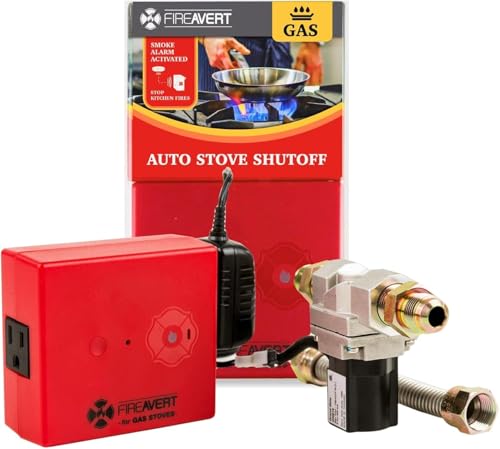
This two-pack option provides coverage for larger kitchens or multi-stove households, offering the same safety benefits as the single unit. The dual setup helps ensure that a senior’s cooking area remains protected even if one stove is unattended. Quick installation remains a key selling point, with the same plug-in and solenoid placement process described for the single unit.
Buying Guide
Key purchase considerations help buyers choose the best fit for elderly safety and caregiver convenience. The following factors address different living scenarios and priorities.
- Installation complexity: If you want minimal changes, choose plug-and-play detectors or auto shut-off devices that simply connect to existing outlets. For stove shut-off systems, verify that solenoid placement is feasible in your gas line.
- Alert methods: Consider whether local audible alarms are enough, or if remote alerts via a smartphone app add essential oversight for caregivers who aren’t always on-site.
- Gas coverage: Most detectors monitor natural gas ( methane) and propane. If you use LPG, LNG, or other gases, confirm compatibility and sensitivity levels (LEL percentages) to ensure timely alerts.
- Power reliability: Battery backup, power cord reliability, and device reset procedures matter for seniors who may experience outages or difficulty with reboots.
- Ease of use: Large displays, simple status indicators, and minimal steps to reset can reduce confusion for elderly users while maintaining safety.
- Maintenance: Look for devices with long life spans, straightforward cleaning, and alerts that remain clear as environments vary (kitchens with steam, etc.).
- Remote monitoring: For caregivers living far away, Wi-Fi-enabled alarms provide ongoing visibility, but verify data privacy and app compatibility with your devices.
- Redundancy: In kitchens with multiple burners, a dual-unit setup can prevent gaps in coverage and improve overall safety for seniors who frequently cook alone.
In choosing between the options, weigh the balance between hardware-only protections (auto shut-off) and combination systems with monitoring and remote alerts. Consider the senior’s daily routine, the size of the kitchen, and whether a caregiver needs real-time updates to act quickly in case of suspicion or confirmed leaks. For households with frequent unattended cooking, a FireAvert-style shut-off device may provide a critical layer of protection, while detectors with smart alerts strengthen ongoing safety oversight.