Choosing the right flux is essential for creating strong, leak-free copper pipe connections. The best copper fluxes reduce oxidation, improve solder wetting, and minimize residues that can corrode or clog piping over time. Below is a curated selection of five high-performing fluxes suitable for plumbing, brazing, and electrical work with copper pipe. Each option balances safety, effectiveness, and ease of use to help both professionals and DIYers achieve consistent results.
| Product | Brand | Form | Key Benefit |
|---|---|---|---|
| La-Co | Pastе | ||
| Essmetuin | Paste | ||
| Fluxuator | Flux applicator | ||
| SRA Soldering Products | Paste | ||
| CopperMate | Flux paste |
Note: The products above cover a range of applications—from plumbing and HVAC to electronics-related copper work—so you can pick one that best matches your project needs and cleanup tolerance. The following sections provide detailed insights into each option.
La-Co 22194 Water Soluble Flux Paste

This water-soluble flux paste is designed for soldering copper pipes with minimal residue in water systems. It meets ASTM B813 standards and contains no zinc chloride, reducing corrosion concerns. The flux is non-acid and non-toxic, making it safer to handle than harsher flux formulas. Being water-soluble, it cleans up with water, leaving less aftercare for plumbers. Ideal for plumbing projects where residue in potable lines must be avoided and safety is a priority.
Essmetuin No Clean Flux Paste

Essmetuin offers a no-clean flux paste designed for copper pipe brazing, tin soldering, and repair work on SMD and handheld devices. The flux is lead-free and non-corrosive in dry conditions, with excellent wetting. It does not require post-cleaning after use, which can save time on job sites. The product is designed to flow smoothly with a pushing-type syringe design that reduces waste and ensures even coverage.
ComStar Copper Lock (Two Options)

ComStar Copper Lock is a no-flame pipe adhesive designed for instant leak-proof seals. While primarily marketed for HVAC repairs and copper/brass piping, it’s essential to note its high-pressure performance—handling up to 10,000 PSI flow and 500 PSI contained pressure. It’s compatible with all refrigerants and liquids and is suitable for emergency repairs where traditional soldering isn’t feasible. There are two versions listed, both emphasizing rapid bonding in challenging spaces.
Fluxuator Dual Head Flux Applicator
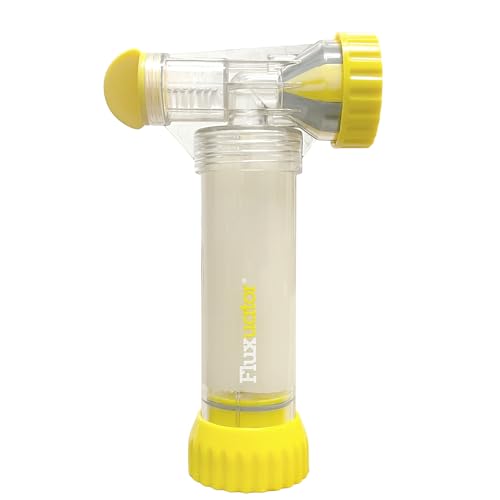
The Fluxuator offers a dual-head design for precise flux application on copper pipes. The dual-head setup ensures full coverage and reduces the risk of leaks by enabling careful control over where flux is deposited. A bristle brush helps access hard-to-reach areas. The flux is stored in a refillable canister, minimizing mess and contact. Its ergonomic design supports one-handed operation, which is beneficial for plumbers working in tight spaces or at height.
SRA 135 Rosin Paste Flux
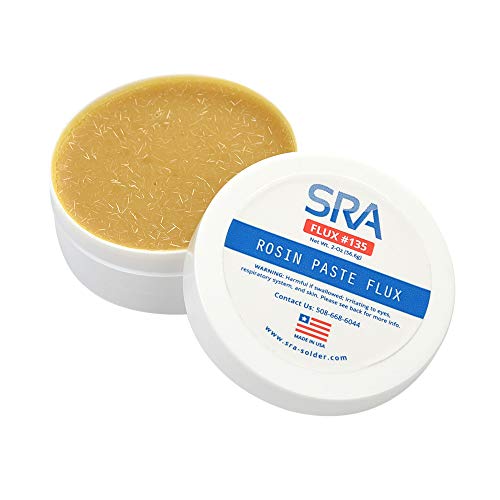
SRA Soldering Products presents a rosin paste flux designed for electronics and copper work. Its rosin base offers impurity-free wetting with excellent control over application. The formula is no-clean, non-acidic, and intended to deliver clean residues that are easy to manage in corrosion-sensitive environments. This flux is particularly suited for delicate copper wiring and PCB work where precise solder flow is critical, reducing the risk of goopy flux or residue that can affect performance.
Copper Mate Flux
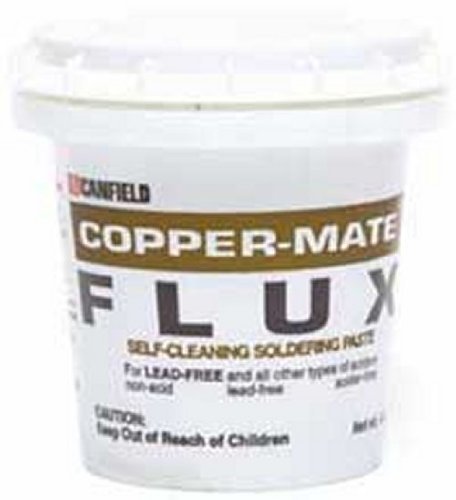
Copper Mate Flux is a full-size flux formulation aimed at copper, zinc, and brass cames. It emphasizes versatility and compatibility with common materials found in plumbing and metalwork. The product highlights easy use and reliable wetting properties, making it a practical option for standard copper piping projects where a dependable flux is required without specialized packaging nuances.
Buying Guide: Key Purchase Considerations
When selecting flux for copper pipe work, consider the following factors to ensure optimal performance and safety:
- Food-grade and safety profile: For potable water lines, choose flux with non-toxic formulations and minimal corrosive elements. Flux that’s lead-free and non-acidic reduces long-term corrosion risk.
- Residue type and cleanup: No-clean fluxes simplify post-solder cleaning, saving time on jobs. Water-soluble fluxes require water rinsing but may reduce deposits in damp environments.
- Wettability and flow: Fluxes should promote strong wetting of copper and solder. Look for formulations designed for excellent flow with minimal spreading beyond the joint.
- Ease of application: Dual-head applicators or push-type designs can improve consistency and reduce waste. Consider whether you need precision control or quick coverage.
- Application environment: For HVAC or high-pressure lines, select fluxes formulated to withstand thermal cycling and pressure variations without compromising joints.
- Cleanup requirements: If you want minimal cleanup, favor no-clean fluxes. If you’re comfortable with rinsing, water-soluble fluxes can be preferable for cleanliness in some systems.
- Compatibility: Ensure the flux is compatible with your solder type (lead-based vs. lead-free) and with the metals involved (copper, brass, etc.).
- Packaging and shelf life: Consider whether a paste, gel, or applicator-friendly format fits your work style and space constraints.
In practice, the best flux choice depends on your project type. For potable-water copper piping, a water-soluble flux with low corrosive potential and ASTM alignment can help prevent residual contamination. For electronics-related copper work, rosin-based no-clean fluxes offer precise control and easy cleanup. For emergency HVAC repairs, fast-acting adhesive-like options can provide quick seals when soldering isn’t feasible. The five selections above cover these scenarios, giving you options for performance, safety, and convenience.
Always follow manufacturer instructions for surface preparation, application thickness, and curing or heating guidelines. Proper surface cleaning and joint preparation are essential to maximize the longevity of copper connections and reduce the likelihood of leaks.