Cracks in basement walls can lead to water intrusion, structural concerns, and homeowner headaches. This guide highlights top epoxy and polyurethane kits designed to seal cracks, stabilize foundations, and prevent moisture intrusion. Each product is evaluated for DIY usability, curing speed, and long-term performance to help you choose the right solution for common basement foundation issues.
The following summary table introduces five highly relevant products, focusing on reliability, ease of use, and proven performance in basements and other concrete structures.
| Product | Brand | Core Benefit |
|---|---|---|
| Applied Technologies 6-10′ Fast Set Kit | Applied Technologies | Quick-set polyurethane foam seals cracks and stops leaks |
| Polygem LCR Epoxy Crack Repair Kit | LCR | High-performance epoxy for permanent crack sealing and bonding |
| RadonSeal Epoxy 10-Ft Kit | RadonSeal | Astm-C881 epoxy for permanent stabilization and leak prevention |
| PC Products 72561 Epoxy Paste | PC Products | Two-part epoxy for cracks and anchoring in damp environments |
| DRICORE PRO Concrete Repair Epoxy Paste | DRICORE | Fast-curing, high-strength paste for wide range of concrete repairs |
Applied Technologies 6-10′ Fast Set Concrete Crack Repair Kit

The Applied Technologies kit centers on Hydra Stop 300 Polyurethane Foam, designed to expand within cracks and create a waterproof seal. This kit targets basement wall cracks and other foundation leaks, providing a quick-setting solution suitable for DIY homeowners. The foam creates a durable moisture barrier once cured, aiming to prevent further water intrusion and related damage. It is promoted as a practical, fast option for stopping leaks in poured concrete walls without professional installation.
Key features include a complete crack repair system, rapid setting, and emphasis on waterproof sealing. The product is positioned to address basement flooding risks by sealing cracks before water damage can escalate. Potential users should consider crack width and accessibility when choosing this kit, as larger or irregular cracks may require additional steps.
Polygem LCR Epoxy Concrete Crack Repair Kit

Polygem LCR Epoxy Kit provides a professional-grade epoxy solution designed to seal and repair concrete cracks with a focus on structural bonding. The formulation aims to stop leaks permanently by addressing cracks at their source and restoring the integrity of the concrete. It is presented as a reliable option for both new and older foundation cracks, with emphasis on long-lasting results and robust bonding to prevent future movement or moisture penetration.
Users should consider the epoxy’s viscosity, cure time, and temperature range when applying. The kit’s strength makes it suitable for repairs that endure environmental stresses, but proper surface preparation and mixing are essential for best results. It is described as DIY-friendly while maintaining professional-grade performance.
RadonSeal Epoxy Concrete Foundation Crack Repair Kit (10-Ft)

RadonSeal’s epoxy kit targets long crack runs, offering a 10-foot repair capacity with a focus on permanent stabilization and moisture resistance. It emphasizes ASTM-C881 compliance and aims to prevent crack movement that can compromise wall integrity. The product notes include stabilization against bowing or bulging and coverage for cracks up to a specified width, making it a solid option for households dealing with more extensive crack systems.
Considerations for this kit include the injection approach, surface prep, and the necessity of following exact curing guidelines to maximize structural performance. The kit is marketed for basements, retaining walls, and other poured concrete structures, appealing to homeowners seeking a more durable fix than surface sealants alone.
PC Products 72561 PC-Concrete Two-Part Epoxy Paste
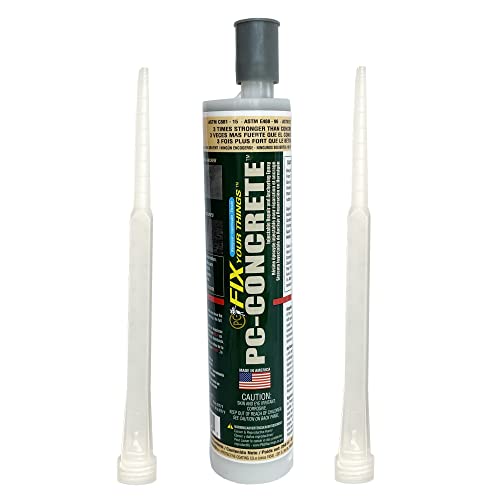
PC Products PC-Concrete is a two-part epoxy paste designed to fill cracks and anchor hardware into concrete. It supports both damp and dry environments, with a paste-like consistency that can be applied to vertical surfaces. The formula is suitable for indoor and outdoor use and operates effectively across a wide temperature range, helping to restore bonding and seal cracks that could admit moisture.
This epoxy paste is positioned as versatile for anchoring bolts, dowels, and threaded rods as part of broader repair projects. It is particularly noted for resistance to moisture, making it suitable for basement walls where humidity and minor moisture are common. Users should follow mixing ratios and curing times to ensure maximum adhesive strength and seal.
DRICORE PRO Concrete Repair Epoxy Paste

DRICORE PRO’s epoxy paste is advertised as a fast-curing, extra-strong solution for repairing hairline cracks and broader signs of cracking in foundations and walls. The product covers a wide range of substrates beyond concrete, including pools and other cementitious surfaces, and emphasizes quick, durable repairs with a high-strength formula. It is pitched for homeowners seeking reliable, long-lasting results without extensive downtime.
Key considerations for DRICORE PRO include cure time, substrate compatibility, and application method. The paste’s versatility makes it a practical option for multi-surface repairs while providing strong bonding to resist future cracking and moisture issues.
Buying Guide: Key Purchase Considerations For Basement Crack Repairs
Selecting the right epoxy or sealing kit for basement walls involves weighing several factors. The following perspectives help ensure you choose a solution that matches your crack type, basement conditions, and long-term goals.
- Crack type and width: Hairline versus wide cracks require different formulations. Epoxy systems are typically favored for structural bonding, while polyurethane foams excel at sealing larger leaks from the inside.
- Structural stabilization: If cracks indicate bowing or movement, a higher-strength epoxy with proven bonding and ASTM certifications may be necessary to prevent ongoing damage.
- Injection vs surface sealing: Some projects benefit from internal injection methods, while others can be effectively closed with surface-application pastes or foams. Consider accessibility and crack path length when choosing a method.
- Moisture levels and humidity: Damp basements call for formulations that resist moisture during cure and maintain adhesion in moisture-rich environments.
- Temperature and cure time: Cold or hot temperatures can affect cure time and performance. Choose products with suitable working temperature ranges for your climate and season of repair.
- Application difficulty: DIY-friendly products provide straightforward usage and clear instructions, but larger or more complex cracks may require professional assessment.
- Long-term performance: Look for products with documented performance claims, warranty information, and compatibility with common basement materials like poured concrete and block walls.
- Safety and ventilation: Some kits require good ventilation due to chemical odors or off-gassing, especially polyurethane foams and epoxies. Follow safety guidelines and PPE recommendations.
In choosing among these options, consider the crack length, exposure to moisture, and whether a temporary seal or permanent structural stabilization is your priority. For many homeowners, a combination approach—such as a polyurethane foam for initial sealing followed by an epoxy-based reinforcement—offers a balanced path to durability and peace of mind.